



Technology and the Path Around Resistance
How do you deal with resistance? First, let's define resistance. In high school physics, resistance was something that blocked the flow of electricity. In World War II, resistance was a group of people who tried to block the onslaught of totalitarianism.
How do you deal with resistance? First, let's define resistance. In high school physics, resistance was something that blocked the flow of electricity. In World War II, resistance was a group of people who tried to block the onslaught of totalitarianism. You might be wondering what resistance has to do with the car rental industry. Well, like in anything worthwhile, how we deal with resistance and get around it are keys to being effective and successful.
Technology is one of the ways we get around resistance. As car rental organizations have increased in size and complexity, the computer has played its part in helping to deal with the complexity and provide competitive advantage. The computer has also had its part in adding to the complexity. So, one of the keys to dealing with resistance is to know when, how and to what degree to apply technology. Technologists need to provide the most cost-effective solution that solves the problem and deals with the resistance.
Let's face it, we all want more reservations and more rentals. Simple, succinct and to the point. How we go about achieving this goal is different for each of us. One thing that's important is preserving past investments. Sure, there are lots of great new technologies out there, but money spent over and over again to solve the same problem or address the same opportunity is a waste. Build a good foundation the first time and you can build on top of it for a long time.
Sometimes, even with a good foundation, we muck it up over the years. If your house is like mine, rational decisions of the past, like drilling holes for pipes and running electrical lines, etc., can affect new opportunities for improvement -- some of that previously mentioned resistance. This is no different than what happens with car rental systems.
Isaac Newton said it best: "For every action there is an equal and opposite reaction." That's the nature of a competitive business. Companies must react or adapt to change. It makes no sense to always build a new foundation. The key is to build on what you have. In my world, it's called a Services-Oriented Architecture (SOA).
The best way for all of us to understand SOA is by using an example -- a restaurant. Certainly a restaurant is "service oriented." One of my favorites is a certain Italian restaurant in New York City. I look at the menu and see Veal Saltimbocca. Over to the right are the swinging doors into the kitchen. Those swinging doors hide the complexity of preparing not only the Veal Saltimbocca but all the food for all the customers. Waiters run in and out of the doors. They see the complexity -- and possibly the inefficiencies of the kitchen -- and deal with it to bring the customers their meals.
The waiters act as a façade. The customers use a repeatable service called ordering. All waiters use the same format and work off the same menu. They are an "abstraction layer"; they handle the interface with the complex processing behind the swinging doors.
So how is a reservation and rental system like a restaurant? Just like the kitchen, lots of excellent work is done there, much of it is already paid for, and sometimes changing the menu causes the owner to have to change the "plumbing."
From the customers' perspective, they receive a service without worrying about anything but the interface with the waiter. One of the biggest benefits of this approach is the ability to repeat and reuse it, regardless of whether it's a chain of restaurants or multiple channels for creating reservations and rentals.
The approach I use as the framework for moving to a services-oriented architecture is based on four principles:
• Selective renovation of the "kitchen"
• Build on standards
• Create a menu of reusable services that provide business flexibility
• Minimize cost.
Selective renovation of the "kitchen" means that refinements will be made to our core system to allow for added flexibility and to realize cost efficiencies. Successful delivery of an SOA depends on using standards and specifications.
The OpenTravel Alliance (OTA) provides a set of XML specifications for each travel supplier vertical. Leveraging this specification along with Simple Object Access Protocol (SOAP) offers an accepted and mature method for SOA implementation.
Other standards, such as WS-Security and http, complete a minimum set of standards that should survive the years ahead. Architectures must be designed to accommodate new and maturing standards such as SAML, UDDI and WSDL. The services created need the right level of "abstraction."
Services that are too specific (fine grained) are not reusable. Services that are too general (coarse grained), however, may provide no benefit. Perhaps Goldilocks said it best: We want our services "just right." When services are just right, they’re more likely to be reused with little effort. Lastly, SOAs do require some investment but need to save money over time.
The migration to SOA gains more acceptance from year to year. Organizations like the OTA have been created to facilitate adoption. The idea behind SOA is to deal with resistance. In the field of electricity, the symbol for resistance is the Greek letter for Omega. Omega can also be defined as the end of a journey. At Cendant Car Rental Group we have converged our SOA initiatives into one juggernaut for the future, which I call OMEGA (One Merged Enterprise and Global Architecture). We're on the road to our OMEGA. Are you?
John Turato is vice president of technology for Cendant Car Rental Group.
More Rental Operations
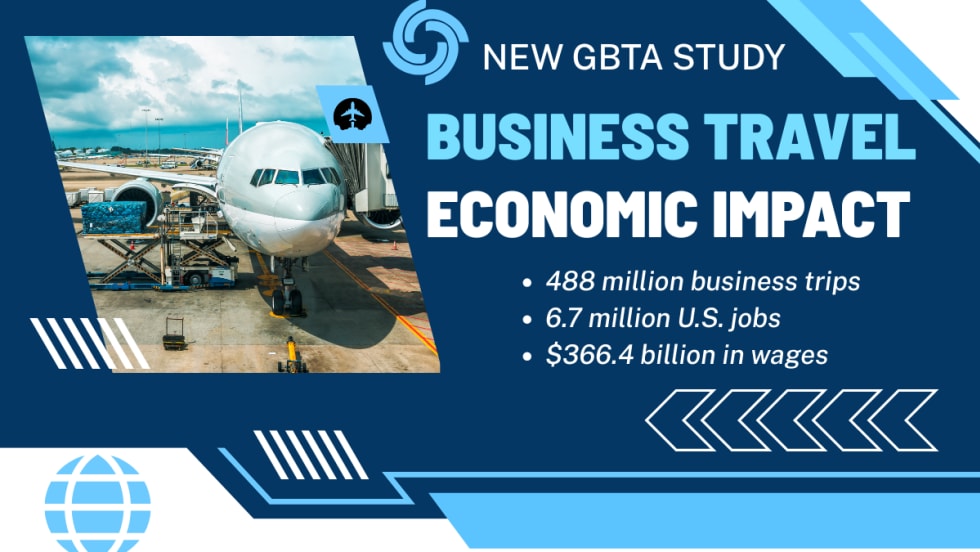
U.S. Business Travel Drives $623 Billion+ in Economic Impact as Spending Reaches $538 Billion
The data also underscores the industry’s strong multiplier effect across the U.S. economy, revealing that each dollar invested in business travel in 2024 generated $1.16 in GDP.
Read More →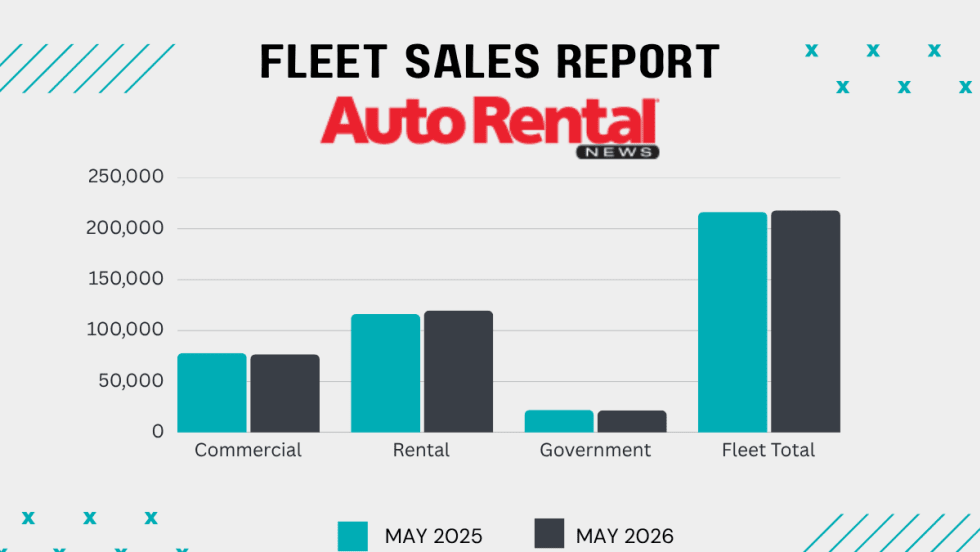
Rental Fleet Sales Skating Just Above 2025 Levels
The U.S. economy's continued growth and positive business investment are creating a favorable environment for fleet vehicle demand.
Read More →
Grow Your Rental Business Beyond Cars
Rental fleet operations are facing numerous evolving challenges and opportunities from AI technology to rate and revenue management, to customer service and business growth.
Read More →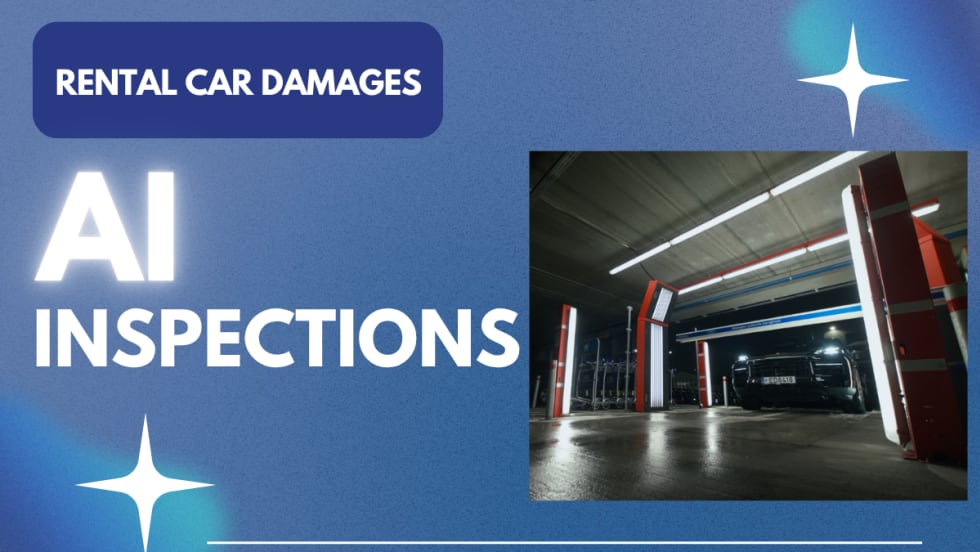
Using AI to Create Clarity, Not Conflict, in Rental Car Damage
Rental companies still need people, policy, judgment, and thoughtful implementation, with operators remaining in control of the customer experience.
Read More →
Get Ready To Roll: No Stopping Self-Driving Rental Cars
The autonomous mobility technology revolution will move at its own pace, but sooner rather than later.
Read More →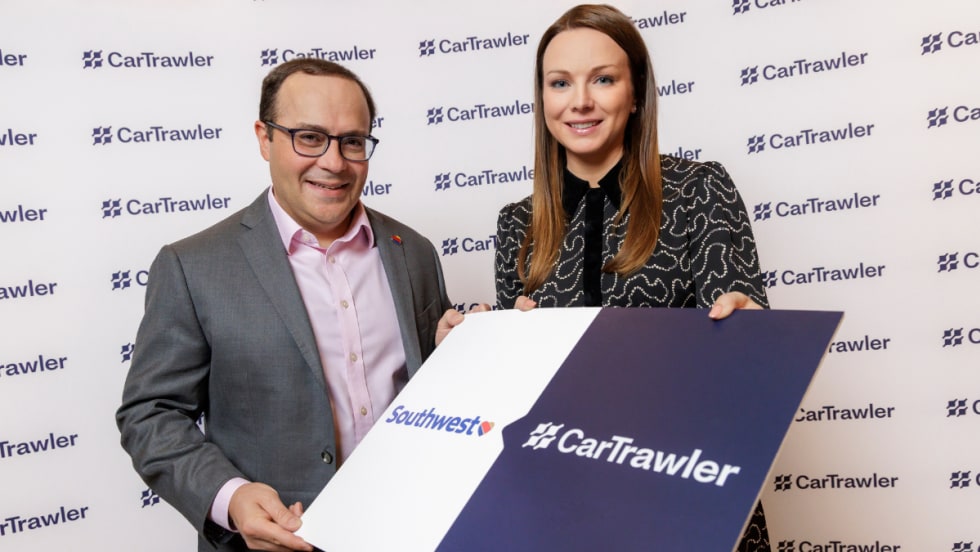
Southwest Airlines Selects CarTrawler For Its Car Rental Booking Platform
The platform is designed to allow customers to compare and book rental vehicles more easily during the travel booking process.
Read More →
Cross-Pressures, Evolving Trends Drive 2026 Rental Car Industry
A combination of cautious economic behavior, shifts in the rental vehicle market, and technological influences are shaping car rental operator decisions.
Read More →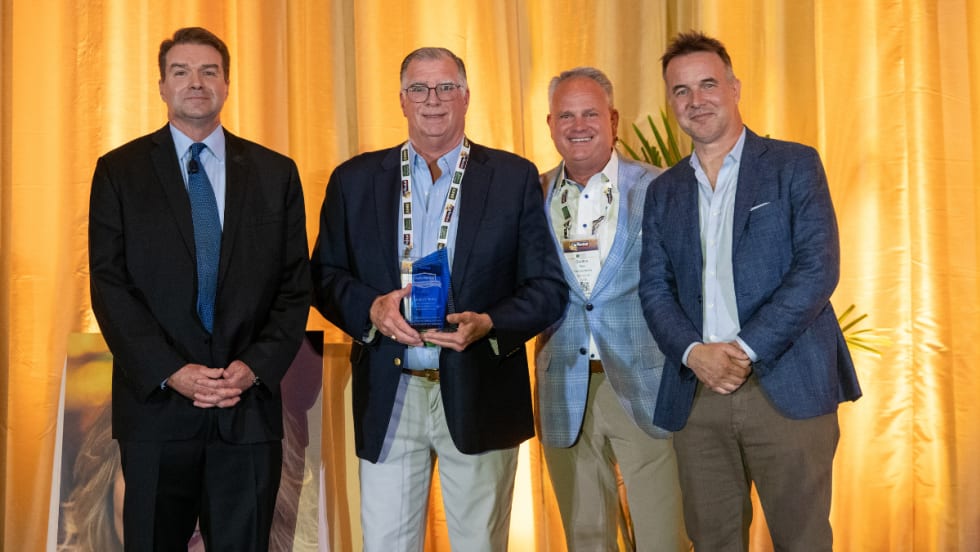
Government Affairs Executive Wins Leading Rental Car Industry Award
Robert Muhs started in the car rental industry with Avis Budget Group two years before the first International Car Rental Show.
Read More →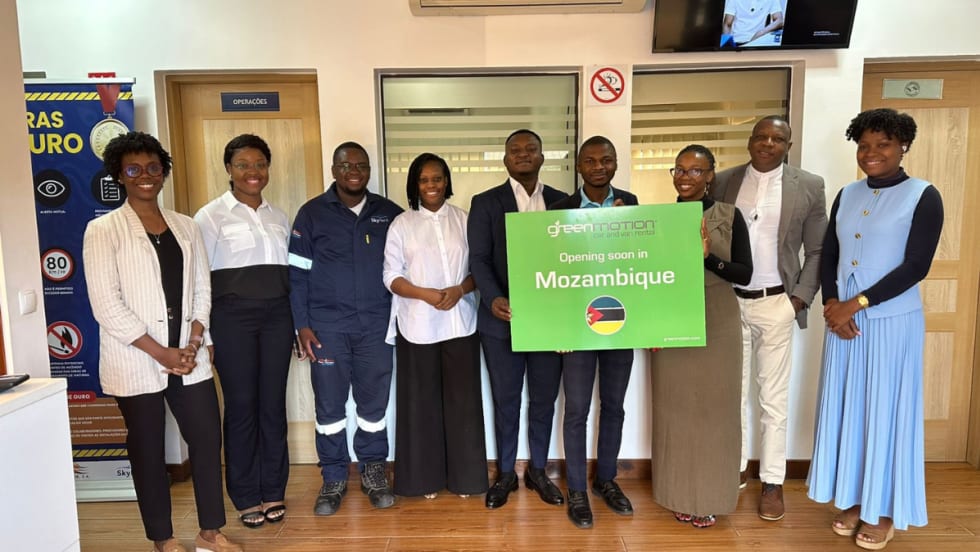
Green Motion Expands Its African Presence with Mozambique Launch
This new rental car outlet reflects the growing demand for reliable transportation and the emphasis on sustainable travel across the continent.
Read More →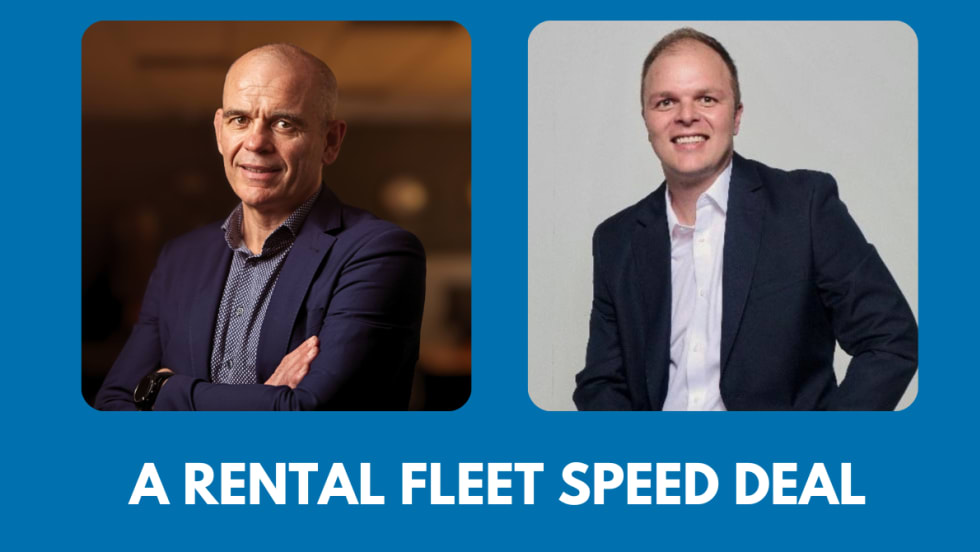
RentalMatics, GeoInt Partner On Rental Car Speed Tracking Tech
Rental operators can now detect and act on speeding while vehicles are still on rent, thereby reducing fines, admin workload, vehicle wear, and safety risks.
Read More →