




Running a Rental Business Without Owning a Fleet
Welcome to peer-to-peer renting, the new neighborhood car rental.


I have a business proposition for you: It's a new form of rental agency with little overhead and no brick-and-mortar operations to worry about. The startup fees are negligible. The system borrows elements from eBay and the social networking phenomenon. Rate wars are a non-issue. It's "green," and it puts money back in the pockets of local residents. Oh, and you don't have to buy a fleet.
Welcome to "neighbor-to-neighbor" or peer-to-peer (P2P) car rental. A P2P program is based on private car owners willing to rent out their underused vehicles for extra cash, while the company manages the logistics of the rental transaction for a cut of the rental rate.
The P2P model presents its own unique challenges, such as automating the rental process, perfecting the system for scalability, gaining critical mass and educating the public on a new form of mobility. And how can you possibly control a fleet you don't own?
ARN spoke with three companies-Whipcar in the U.K., RelayRides in Cambridge, Mass., and Jolly Wheels in New York and six other cities-which are answering these challenges with variations on the model. Other players include Spride and GetAround in California; and Communauto, a car-sharing service in Montreal.
Let the System Do the Work
Vehicle owners and renters join a program, for free, and are vetted for driving records, age requirements and vehicle standards. Each system relies on varying degrees of Web technology to facilitate reservations, pickups and returns. Both owners and renters use an eBay-style ratings system to grade rental transactions and each other.
Car owners set their own rates, with guidance from the company. Car keys are either exchanged by the owner and renter in person or retrieved from inside the car using a card access system.
Marketing is grassroots. The uniqueness of the system, the environmental angle and the concept of making extra income in a down economy propel the idea virally in the community and in the media.
Insurance is a necessary component. P2P companies have contracted with insurance carriers to underwrite renters in privately owned cars for the duration of the rental. California recently passed a law establishing that personal vehicle sharing does not constitute a commercial use of the automobile. This eliminates the risk that car owners would lose their personal auto insurance if they received compensation for sharing their cars.
"The biggest challenge for peer-to-peer to succeed is to scale it in a way that the level of trust and service is maintained as it gets bigger," says Dave Brook, managing partner of Team Red U.S., a consulting firm that specializes in new mobility options.
Though removing the capital expense of a fleet is attractive, "you now have a whole new level of complexity to manage," he says.
[PAGEBREAK]

Whipcar: Connecting Neighbor to Neighbor
Whipcar connects car owners with car renters in more than 300 towns and cities in the U.K.
"The average car in the U.K. is only used for about an hour a day and yet it costs £5,000 a year to operate," says Whipcar co-founder Tom Wright. "We thought there was a real opportunity to make use of idle fleets."
Whipcar suggests a rental rate based on local market conditions, though car owners are free to set their own rates. Whipcar takes 15 percent.
On top of the rate, the driver is charged a transaction fee of £2.50 per booking, as well as insurance. Wright and co-founder Vinay Gupta worked with Lloyd's of London to create "the world's first integrated insurance policy that allows a private owner to rent out his or her car," Wright says. The Lloyd's policy underwrites each rental, similar to a collision damage waiver and supplemental liability coverage.
The insurance fee is calculated based on the profile of the driver, the type of vehicle rented and the duration of booking. That rate is about £4-5 a day, which is slightly cheaper than any other option in the market, Wright says.
Giving your car to a stranger and, conversely, stepping into a strange car can be scary propositions. Indeed, "The biggest challenge is getting people comfortable with the phenomenon," Wright says.
■ Hi Neighbor
New member car owners supply a license plate and ZIP code. The system checks third-party databases to ensure that the car is free of legal troubles and fits into an acceptable insurance category. Drivers must be at least 21 and have a clean driving record. Rental cars must be less than eight years old. Owners are free to decline any rental.
When the driver picks up the car from the owner, both perform a walk around and annotate any existing damage. Owners are asked to have at least a quarter tank of gas and renters are asked to return the car with the same level. The system has tools to remedy any discrepancies, Wright says. The owner-renter agreement suggests a cap of 100 miles per day, though longer trips can be worked out with the owner.
[PAGEBREAK]
Comfort levels are enhanced by a system in which both the driver and renter can grade each transaction. This grade is accessible through participants' Whipcar profile, which is similar to a social network page.
Generally, though, both renters and drivers are considerate of the process and each other. "We're seeing lots of hyper local, neighbor-to-neighbor rentals," Wright says. "And as a result, people are far more respectful to the cars. We've all heard the horror stories of abuse of rentals, because it's someone else's car. But in this case it's a real human being. We've been pretty blessed in that regard."
Wright says the feel-good stories are more common. "In one case a car rented for a wedding came back with a magnum of champagne," Wright says.
■ Where No Rental Has Gone Before
Without the significant capital expense, daily utilization is less of a factor. Therefore, the service is not dependent on a large pool of potential renters in densely populated areas. "What's great about our model is that you can be the only car in the village," Wright says.
Unlike the urban, techie, first-adopter crowd that uses car sharing services, Whipcar clients are cut from a wide swath of society. Car owners are stay-at-home moms, retirees, students and even professionals who "make intellectual leaps that their car is costing them a lot of money and this is a way of paying its own way," Wright says.
Whipcar drivers use cars for traditional neighborhood (non-insurance replacement) rental applications such as shopping and taking the kids to school on a regular basis. But where traditional car sharing gets expensive, such as weekend getaways and weeklong trips, Whipcar's rate structure works well, Wright says.
■ Big Plans
The company launched in March 2010 in London after an infusion of venture capital and 10 months of planning. Growth has been fast. "Our goal is to get the size of our fleet in six months to what the U.K.'s largest car sharing service [Zipcar] has attained in six years. That's a thousand vehicles. We're on track to comfortably do that," Wright says.
While Wright and Gupta have no immediate plans to start Whipcar in the U.S., they have big plans for this new type of neighborhood rental. "We're deliberately trying to launch a service that is internationally scalable," Wright says. "Our vision for the business is that whenever you walk outside in the U.K., there is a car within walking distance for rent."
[PAGEBREAK]

RelayRides: Peer-to-Peer Meets Car Sharing
Shelby Clark, RelayRides' founder, is a big Zipcar fan and loves the car sharing concept. However, "If you need a car in downtown Boston for a Saturday night, you'll have a hard time finding one close by," says Boris Mordkovich, director of marketing. Clark realized, as Whipcar's Wright and Gupta did, that the traditional car sharing model needs a lot of renters in a concentrated area to keep utilization rates high to pay for the fleet.
RelayRides, which launched its pilot program in Cambridge, Mass. in late spring 2010, takes the peer-to-peer rental model one step further by integrating car-sharing technology to automate the transaction.
■ Anytime, Anywhere
RelayRides installs a small computer in the owner's car to control the door locks and ignition. Similar to car sharing, "borrowers" reserve cars online or via an automated telephone line. Car owners must indicate online when their car is free to rent.
Borrowers wave their member cards over a reader on the car to unlock the doors. The key is in the car. Cars are also equipped with GPS devices to locate vehicles and track miles.
Right now, RelayRides is absorbing the cost of the technology and installation, though the company eventually may charge a monthly fee to the car owner for leasing the device.
RelayRides suggests a rate based on the competition in the area and the car's make, model and year, and takes 15 percent of the transaction.
Similar to car sharing, the borrower pays one flat hourly fee, which includes gas and insurance. A gas card is left in the vehicle; borrowers are asked to fill up when the tank falls below a quarter. Insurance and gas are worked into the rate and are deducted from the owner's earnings.
[PAGEBREAK]
Mordkovich says it took about a year working with insurance carriers to get the policy right. RelayRides holds a $1 million insurance policy that covers borrowers, car owners and the car itself during the rental. Owners' personal policies cover use of their own vehicle.
The program requires owners to have their cars in dedicated off-street parking, though Mordkovich says in time the system will be able to direct borrowers to street parking using GPS and mobile technology.
Mordkovich believes the RelayRides system allows for many more transaction possibilities, including spontaneous trips and hourly rentals. "If car owners can make money when they are not around and without spending additional time or effort, it's likely we'll be able to get more car owners on board and get a much better utilization rate out of these vehicles," he says.
■ Checks and Balances
RelayRides inspects vehicles before they enter the system. Every borrower's driving record is checked. Owners are docked a small penalty for not having their car available at the time of the reservation. Borrowers who return a car late or dirty multiple times are removed from the system. As in other P2P programs, owners and borrowers are held accountable by a review system.
A smoothly running system relies mostly on developing the right culture. "Borrowers understand that the car belongs to another individual, not a corporation," Mordkovich says.
"Most car owners, once they start seeing they are making money, adjust their behavior," he says. "They shift the times they do their own errands so that their car will be available more often. They keep it clean and mechanically sound, whatever it takes to maximize their revenue."
■ Chicken and Egg
Growth is a chicken and egg scenario. "You need to have cars before the borrowers are willing to sign up," Mordkovich says.
Mordkovich calculates that a good critical mass is 50 to 100 rental vehicles within a five-square-mile footprint, which generally leaves borrowers with a walk of less than 10 minutes.
The key is to refine the system and scale it for rollout in new markets, he says.
RelayRides had planned to launch a pilot program in Baltimore, but the plan was scrapped in favor of Cambridge. "In Boston, residents are very familiar with car sharing as a concept," says Mordkovich. "In Baltimore we were faced with having to educate the public about car sharing, and then educate them on top of that about peer-to-peer car sharing."
RelayRides looks to grow through its Community Partner program, which relies on "community organizers," often civic groups or just a few car owners, to get a critical mass in a nearby community. If an organizer is able to sign up four car owners and 50 borrowers within a one-square-mile radius, RelayRides will set up the program and install the technology.
[PAGEBREAK]

Jolly Wheels: Giving Indie Rental Companies a Chance
Jolly Wheels calls itself a "private sublease vehicle brokerage." The New York-based company contracts with private car owners and small, independent rental companies looking to expand their client base, says founder Aaron Maus. Jolly Wheels feeds reservations requests to "providers" (car owners) while providing an outsourced call center and roadside assistance.
Getting the technology right and managing risk are the company's biggest challenges, says Maus.
■ Grassroots Rentals
Maus was a paramedic with the New York Fire Department when he started dabbling online for a way to make some extra income in 2004. "I thought I would buy some old cars and have a little Rent-A-Wreck-type business for myself," he says.
Maus started by advertising his handful of rental vehicles on community Web sites such as Craigslist. Business was good in New York City, with rental rates so high. The vehicles were registered in his name and under his personal insurance policy. "It wasn't illegal, but it was risky," he says. In 2007, he incorporated and got his vehicles registered and insured in the company's name.
Maus began looking for a way to grow in which he could handle the transaction for other car owners looking for additional income. In January 2009, "I decided to allow other car owners and low-key car rental companies to benefit from the framework that we established," he says. "Now, instead of running around with a dozen cars collecting 100 percent, we just do all the administrative work and collect 20 percent."
Jolly Wheels has since expanded into six more cities: Los Angeles, San Francisco, Houston, Las Vegas, Phoenix and Orlando, Fla., and is looking to grow. Jolly Wheels employs a customer service-oriented sales force that mans an 800 number 24 hours a day, as well as a sales person whose sole job is to actively recruit providers and small car rental companies.
■ Old-fashioned Matchmaking
When a new provider is signed up, Jolly Wheels gets the first booking for the car and then follows up with the renter on the experience. From there Jolly Wheels creates a profile with logistics and parameters to smooth future rentals.
Renters access inventory in one of the seven cities through the Web site. After choosing a date range, renters are presented with a list of available vehicles at various locations within that city, along with rental rates and whether the vehicle is privately or company owned. Icons indicate rental conditions set by the provider such as age minimums, miles or distance limits, advance notice requirements and length of rental restrictions.
[PAGEBREAK]
The renter then submits an online rental request to the customer service center. A customer service rep contacts the provider to confirm the car is available and that the rental parameters are acceptable. If so, Jolly Wheels creates a contract and e-mails it to the provider and renter, and arranges for a way for the renter to get the car (by pickup, local transit or even a car service). If not, the rep looks for other available cars in the area.
A unique aspect to the Jolly Wheels program is its 24-hour roadside assistance service. A renter with a mechanical problem contacts Jolly Wheels directly instead of the car owner. Maus says his team is better trained to diagnose car troubles with the customer and triage a repair strategy, first over the phone and then at the breakdown site.
This service relieves a big burden from two-man rental operations that can't be pulled away from a busy office for a breakdown, Maus says. The cost is built into Jolly Wheels' cut.
■ Insurance and Risk
For rentals fewer than 30 days, Jolly Wheels has contracted with two insurance carriers who provide temporary traveler's insurance. Longer rentals are set up through traditional coverage with mainstream companies such as Progressive, Allstate or Geico.
Maus says coverage through Jolly Wheels comes out cheaper than traditional CDW/LDW, though renters can provide proof of their own insurance to avoid paying it through the rental.
Jolly Wheels takes credit cards and debit cards. Maus has seen a preponderance of prepaid bank cards through Visa and MasterCard, but does not accept them, noting that experience has shown these cardholders to be higher risk. Maus also markets to 18- to 25-year-old drivers.
"The larger guys, they can afford to be picky because they have a big name," Maus says. "We have to get a little further down into the barrel as far as caliber of customers. But we have ways of finding out the high risk [renters]. If we know we can collect on them if something goes wrong, we'll still sign them for the rental."
■ Refining the Logistics
Maus says a primary goal is to automate the online rental process by pre-filtering rental requests and incorporating a way for providers to automatically say they're sold out. "It's happened where a customer makes a reservation a week in advance, we send out the e-mails and the provider forgets there's a drop-off that night and we get a phone call," Maus says.
Jolly Wheels remedies the immediate problem by connecting the renter with another vehicle and offering an extra day for free for the inconvenience. If there are too many problems with a provider, Jolly Wheels will cut them off. "I'm sure there's a better way to do it, but our limits right now are the technology," he says.
After an initial contact between provider and renter it is possible for Jolly Wheels to be cut out of the transaction. But Maus sees some of this as inevitable business growth. "We've pumped up [rental car providers] to a position where they're getting a nice influx of customers; they've learned the business well enough to go on their own," he says. "We have no problem doing that. We're pretty much just a middleman operation now, providing a service for all of the other entrepreneurs that want to get involved in the car rental business."
More Rental Operations
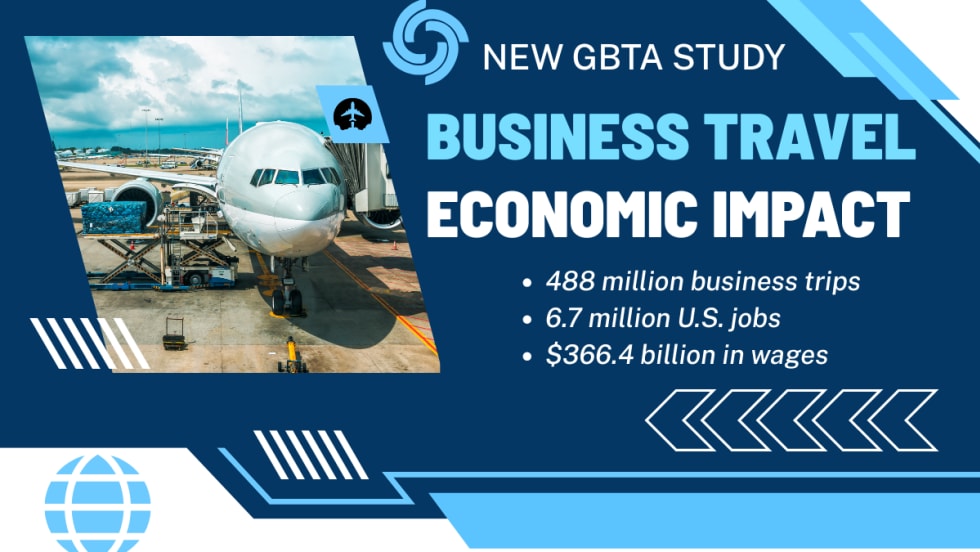
U.S. Business Travel Drives $623 Billion+ in Economic Impact as Spending Reaches $538 Billion
The data also underscores the industry’s strong multiplier effect across the U.S. economy, revealing that each dollar invested in business travel in 2024 generated $1.16 in GDP.
Read More →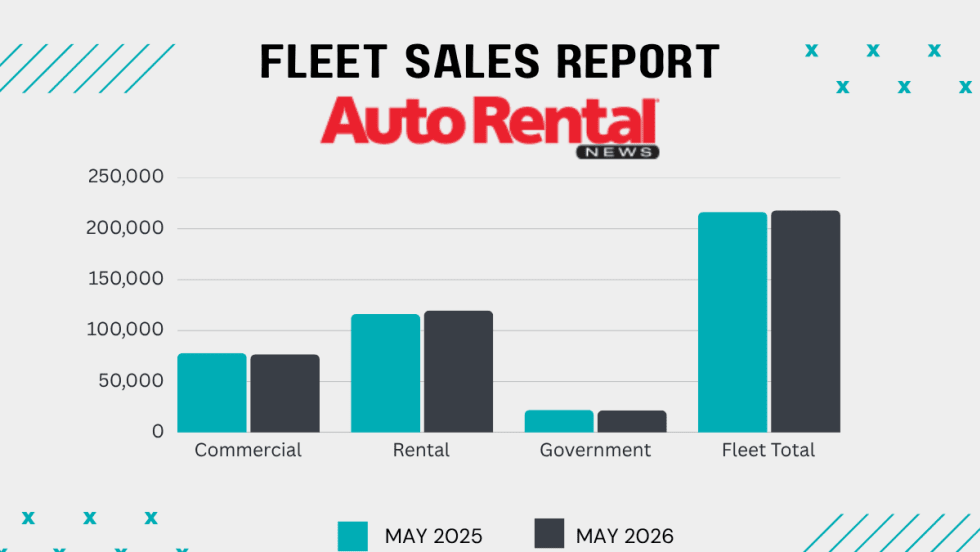
Rental Fleet Sales Skating Just Above 2025 Levels
The U.S. economy's continued growth and positive business investment are creating a favorable environment for fleet vehicle demand.
Read More →
Grow Your Rental Business Beyond Cars
Rental fleet operations are facing numerous evolving challenges and opportunities from AI technology to rate and revenue management, to customer service and business growth.
Read More →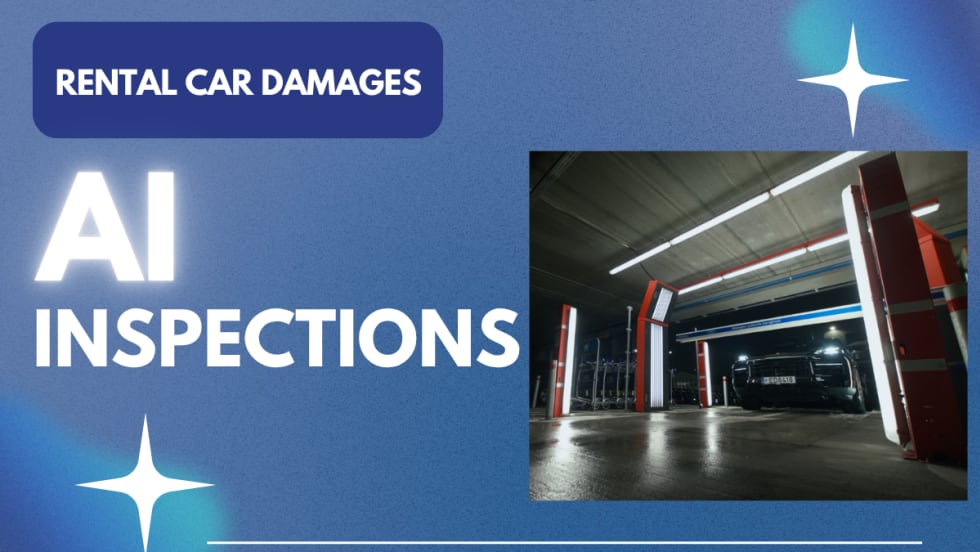
Using AI to Create Clarity, Not Conflict, in Rental Car Damage
Rental companies still need people, policy, judgment, and thoughtful implementation, with operators remaining in control of the customer experience.
Read More →
Get Ready To Roll: No Stopping Self-Driving Rental Cars
The autonomous mobility technology revolution will move at its own pace, but sooner rather than later.
Read More →
Southwest Airlines Selects CarTrawler For Its Car Rental Booking Platform
The platform is designed to allow customers to compare and book rental vehicles more easily during the travel booking process.
Read More →
Cross-Pressures, Evolving Trends Drive 2026 Rental Car Industry
A combination of cautious economic behavior, shifts in the rental vehicle market, and technological influences are shaping car rental operator decisions.
Read More →
Government Affairs Executive Wins Leading Rental Car Industry Award
Robert Muhs started in the car rental industry with Avis Budget Group two years before the first International Car Rental Show.
Read More →
Green Motion Expands Its African Presence with Mozambique Launch
This new rental car outlet reflects the growing demand for reliable transportation and the emphasis on sustainable travel across the continent.
Read More →
RentalMatics, GeoInt Partner On Rental Car Speed Tracking Tech
Rental operators can now detect and act on speeding while vehicles are still on rent, thereby reducing fines, admin workload, vehicle wear, and safety risks.
Read More →