




Rent Alert: Tax Outrage in Rhode Island
If your rental car is damaged and another party is at fault, can you imagine getting taxed on the repair reimbursement?

New Englanders know a thing or two about “taxation without representation.” So do car rental companies. Predatory excise taxes on car rental bills are increasingly being levied to pay for everything from football stadiums to light rail lines to performing arts centers.
A case in Rhode Island illustrates a sneak attack on a heretofore safe target for car rental companies—taxing damage repair reimbursements.
The point of dispute arises when customers choose not to buy CDW. They are ultimately responsible to indemnify the vehicle or equipment rental company for any damage they sustain. In that scenario, the rental company has the vehicle or equipment repaired and charges the customer for reimbursement. The customer either pays the amount directly, or, in most cases, an insurance company is responsible for the repair reimbursement.
In a case involving PVD Rental Inc., a U-Save car rental operator, the Rhode Island Division of Taxation is assessing sales tax on the company for that reimbursement.
Not Insurance
The case is being handled by Moore McLaughlin of McLaughlin & Quinn LLC in Providence. McLaughlin says the Rhode Island sales tax auditor relies on a regulation that states that the Rhode Island sales tax is “computed on the gross amount without any allowance for…insurance…”
McLaughlin contends that this regulation is to have been intended for long-term leases in which the lessor requires the lessee to maintain adequate insurance. A portion of the insurance premium is collected with each monthly payment, analogous to the bank that escrows a small amount in a homeowner’s monthly payment for homeowner’s insurance.
In the present case, however, the amounts being reimbursed are not “insurance.” In fact, these amounts arise as a result of not purchasing the insurance. As a fallback position, the auditor merely maintains that any payment from the customer to the rental company must be pursuant to the rental agreement and is therefore part of the cost of renting the vehicle or equipment. As a result, everything must be taxed.
Financial Harm to Rental Companies
A Fight to the McLaughlin says informal inquiries of other vehicle and equipment rental companies in Rhode Island confirmed that this position by the Rhode Island Division of Taxation is novel in Rhode Island and would result in financial harm to the rental companies.
McLaughlin’s survey of sales and similar taxes in other states has uncovered no other law, regulation or case that attempts to impose a tax on these types of reimbursements, except for a Pennsylvania Sales and Use Tax Ruling. Conversely, several cases in other states have specifically held that those states’ sales, use or vehicle rental taxes do not apply to these types of reimbursements.
Even more peculiar in Rhode Island, McLaughlin says, is the fact that the vehicle and equipment rental companies pay Rhode Island sales tax on a portion of the costs when the vehicles or equipment is repaired. So, in essence, Rhode Island is attempting to collect the sales tax twice on the same transaction.
In sales tax parlance, this doubling-up is known as “stacking” or “pyramiding.”
“Reasonable tax policy avoids stacking and pyramiding,” says McLaughlin.
State Supreme Court
McLaughlin is taking the case through the system; however, he says in R.I. tax cases, the appeals process does not necessarily favor the defendant. Ultimately, this case could have Rhode Island Supreme Court implications. The entire process can take upwards of two years.
In Rhode Island, the sales tax is 7 percent. For an incident that costs $5,000 in damage repairs, the rental company would owe $350 in taxes. McLaughlin points out that the tax bill could be in the thousands for many car rental companies.
Those interested in learning more about this case can reach Moore McLaughlin at mmclaughlin@mclaughlinquinn.com. Perhaps another tea party is in order?
More Fleet Insurance
Using AI to Create Clarity, Not Conflict, in Rental Car Damage
Rental companies still need people, policy, judgment, and thoughtful implementation, with operators remaining in control of the customer experience.
Read More →
Go Rentals, Repair Provider Partner To Ease Insurance Claims Experience
The arrangement helps reduce the stress of collision repair for vehicle owners by connecting them to reliable, timely rental cars.
Read More →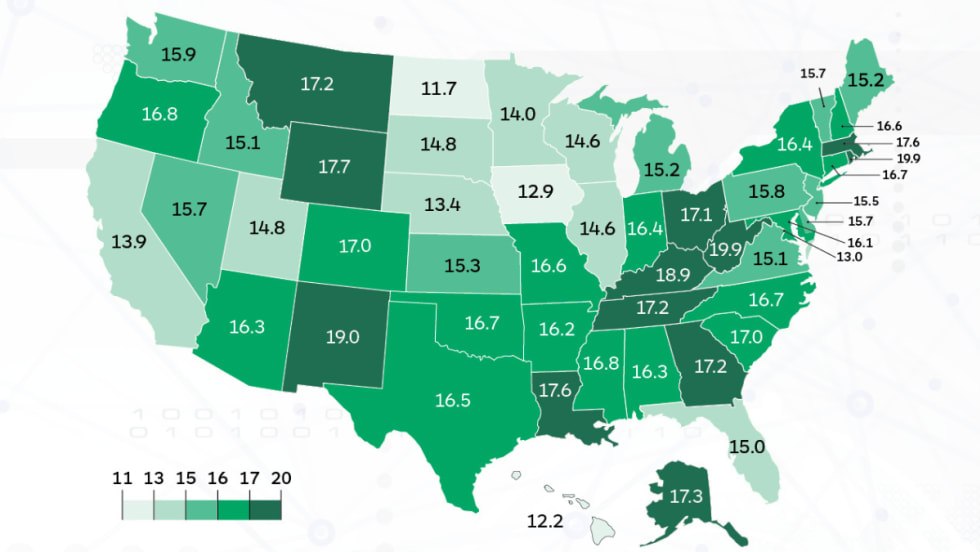
U.S. Collision-Related Rental Length of Rental Declined Modestly in Q4 2025
While LOR continues to decrease from post-pandemic highs, ongoing market and economic conditions could impact future results.
Read More →
Beyond The Rental Desk: Inside Car Rental’s Push To Simplify
Greater transparency, simplified digital access, and connected fleets will be the key factors in determining who comes out on top over the next 10 years.
Read More →
Tripiamo Brings Certified Driving Confidence Training For Car Renters
Driving abroad is one of the leading causes of death among international travelers, who are not used to new traffic patterns.
Read More →
AI in Car Rental Should Be the Customer’s Advocate, Not Accuser
Opinion/Editorial: What happens when AI randomly overcharges car renters outrageous fees and penalties?
Read More →
TSD Mobility, Canopy Connect Partner to Ease Insurance Verification
The new integration brings streamlined functionality to rental agents and dealerships.
Read More →
Length of Rental Could Be Finding a New Normal of More Days
The industry may not be returning to the lower LORs of 2019 and 2020 as two years of declining repair shop backlogs appear to flatline.
Read More →
Gallagher Insurance Hires Broker Focused on Rental Car Operations
The former rental fleet executive informs his insurance practices with the everyday realities of managing rented vehicles.
Read More →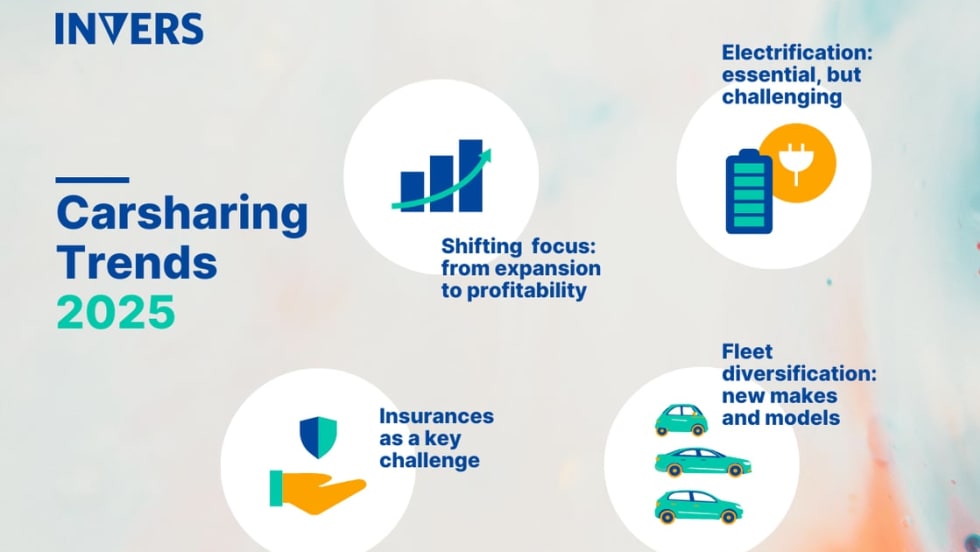
4 Global Trends in Carsharing for 2025
Despite operational challenges and questions, the global car-sharing market continues growing and will likely double during the next decade.
Read More →