



Lawsuit Highlights Responsibilities of Rental Car Supplemental Insurance
Who pays next after primary insurance is exhausted, the driver's supplemental insurance or his personal auto insurance?
An insurance company must pay $500,000 in supplemental liability insurance in the wake of an automobile accident involving a man who was driving a rental car. The lawsuit, filed Jan. 22, was an appeal of the case, Vigilant Insurance Company; Government Employees Insurance Company (GEICO) v. Lincoln General Insurance Company and DTG Operations. The case was an appeal to the United States Court of Appeals, Ninth Circuit.
The defendant and appellant, Lincoln General Insurance Co., appealed a district court’s earlier decision that Lincoln was required to reimburse Vigilant and GEICO for the $250,000 each contributed to settle the lawsuit arising from an automobile accident involving their insured, Barry Root, while he was driving a rental car from Dollar Thrifty Group.
Root had purchased the supplemental insurance offered by DTG Operations at a car rental counter in Las Vegas. The supplemental insurance had two parts: DTG’s primary self-insurance and Lincoln’s supplemental liability insurance. The primary protection provided for insurance against third-party personal injury claims up to Nevada’s $15,000 statutory minimum. The Lincoln supplemental liability insurance policy provided for the same up to $1 million, less the primary protection.
Lincoln argued that between a rental car driver’s personal automobile insurance (in this case, GEICO) and a rental car agency’s self insurance up to the state statutory minimum (in this case, the primary protection), the driver’s personal automobile insurer bears the primary responsibility for covering losses. Lincoln claimed that the 1998 case Alamo Rent-A-Car Inc. v. State Farm Mutual Automobile Insurance Co. supported its position.
But the appeals court ruled that Lincoln’s argument fails. The court in Alamo ruled that “[a] rental agency offers primary insurance only when the renter agrees to purchase an extra protection plan.” Because Root purchased an extra protection plan from the rental agency, that extra protection plan provides primary coverage for losses sustained by Root while he drove the rental car. So between the Dollar primary protection and GEICO, the district court ruled earlier, Dollar must pay first. Dollar accepted that outcome, paid the policy limit, and was not party to this appeal.
The basis of the appeal is whether GEICO or Lincoln pays next, since the primary protection is only $15,000, and the damages assessed against Root were $760,000. Lincoln argued that GEICO should pay next because its policy is a “primary type” policy whereas the Lincoln SLI policy is an “excess type” policy, and that all “primary type” policies must be exhausted before any “excess type” policies become liable for a given loss. But the appeals court ruled the horizontal exhaustion rule did not apply when the language of the relevant policies provides specific guidance on payment priority.
The appeals court noted that Lincoln contracted with Dollar to sell insurance to rental car drivers. If Lincoln has no liability until after a renter’s personal insurance is exhausted, Lincoln’s SLI policy offers only an illusory benefit, and is potentially putting its contracting partner, Dollar, at risk of liability for misrepresentation. The court found that once the primary protection was exhausted, Lincoln became liable for the loss up to the limits of its policy. The court ruled that Lincoln must reimburse GEICO and Vigilant each $250,000.
More Legal & Legislative
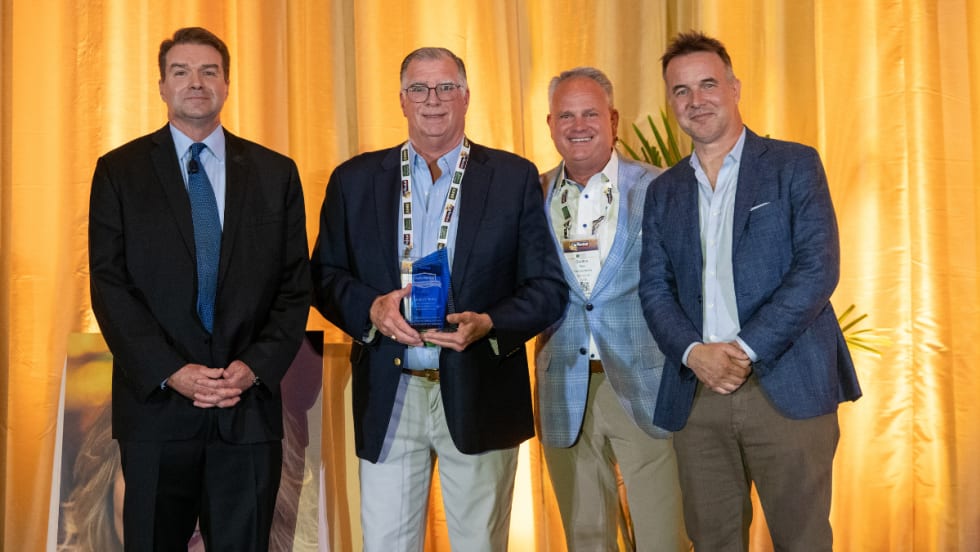
Government Affairs Executive Wins Leading Rental Car Industry Award
Robert Muhs started in the car rental industry with Avis Budget Group two years before the first International Car Rental Show.
Read More →
Using AI To Find Rental Car Damage
Angry car renters are storming social media, the mainstream media, and online ratings platforms to complain about charges they claim are either unfounded or excessive.
Read More →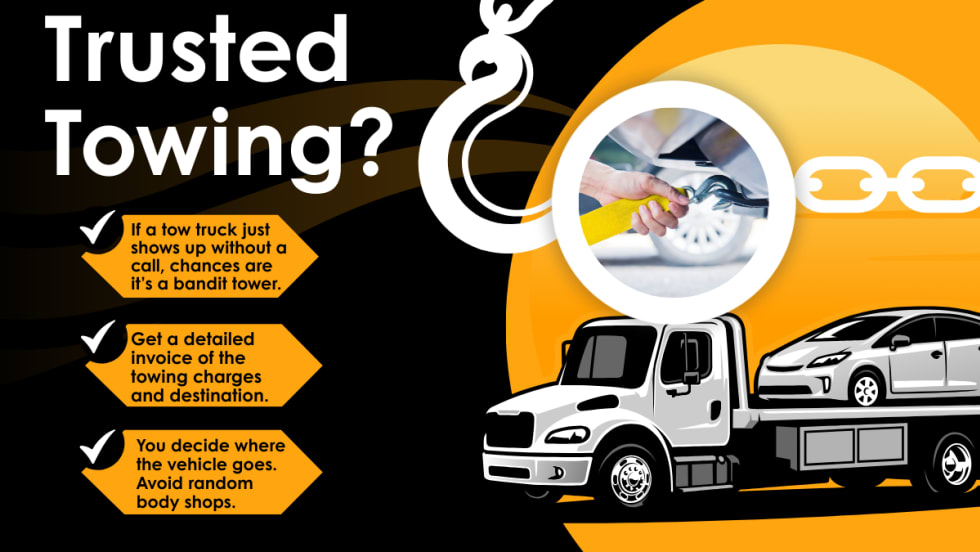
Bandit Towing A Tough Road For Car Rental Companies
Operators often must spend far too much time and resources trying to recoup rental cars towed away and held hostage to outrageously high fees.
Read More →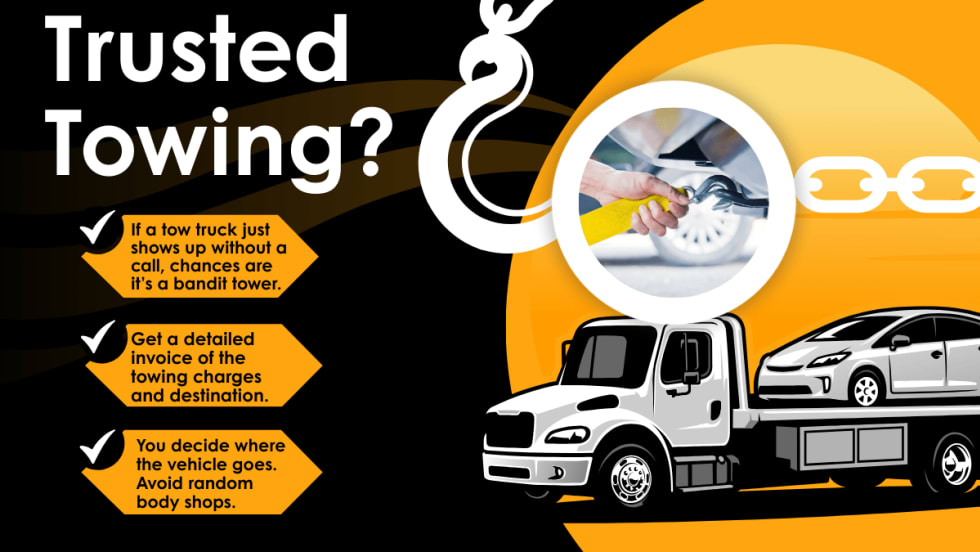
Bandit Towing A Tough Road For Car Rental Companies
Operators often must spend far too much time and resources trying to recoup rental cars towed away and held hostage to outrageously high fees.
Read More →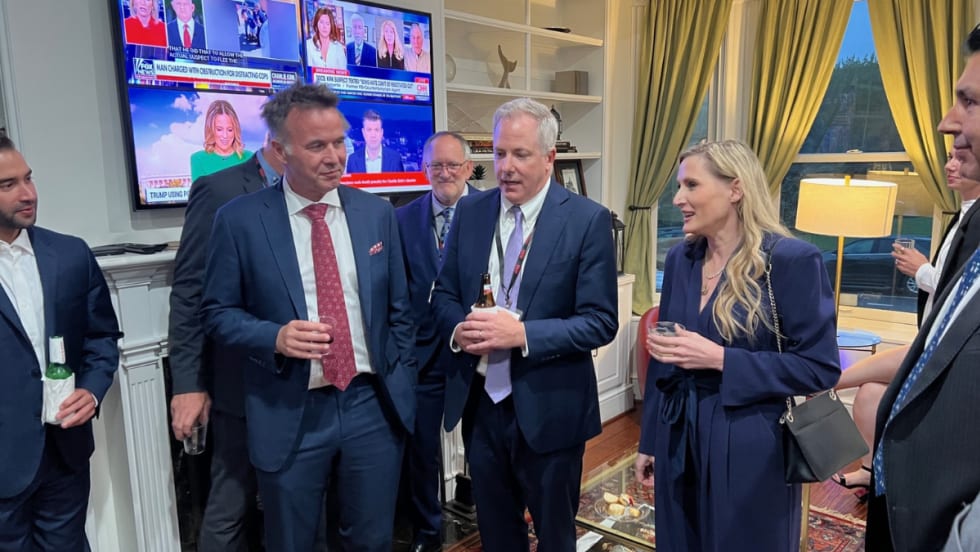
ACRA: Spurring Car Rental Industry Success
The American Car Rental Association scored more access and influence in 2025 as it grows its services for car rental operators.
Read More →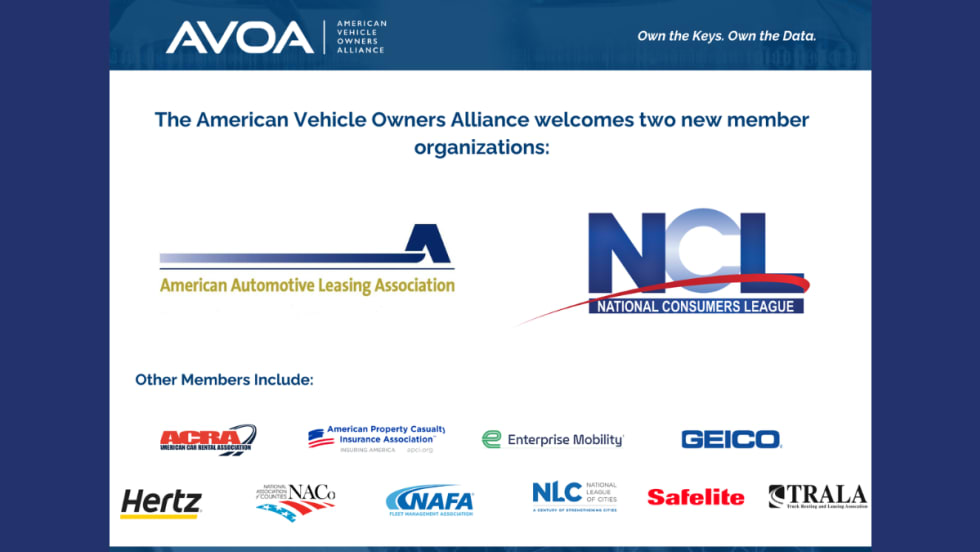
AVOA Partners with AALA and NLC
The American Vehicle Owners Alliance (AVOA) recently announced its partnership with the American Automotive Leasing Association (AALA) and the National League of Cities (NLC).
Read More →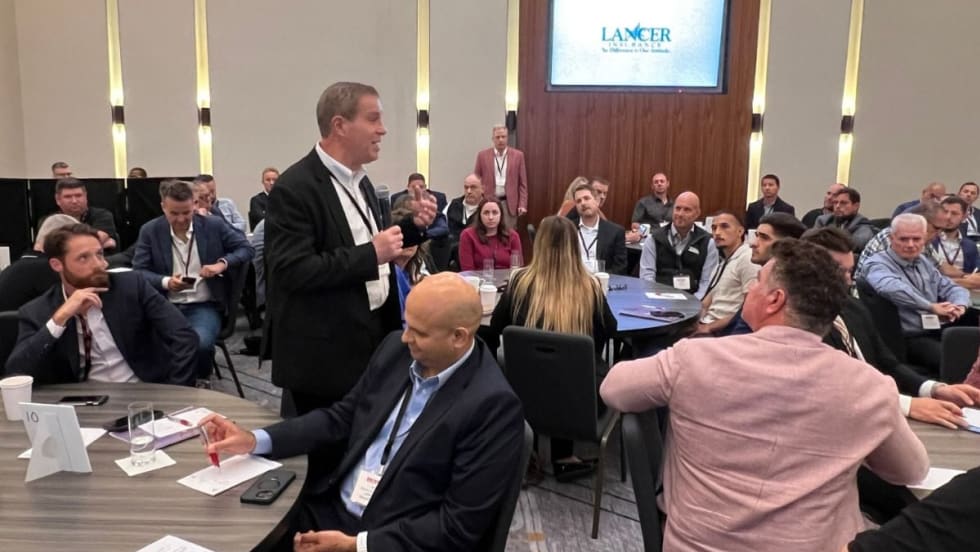
ACRA Takes Bold Strides On Capitol Hill
The American Car Rental Association’s annual legislative and lobbying event upped the face time with and access to members of Congress.
Read More →
Rental Car Leader Engages With Primary Industry Causes
Q&A Interview: Federal contracting, EV charging infrastructure, stolen vehicles, and policy advocacy drive an agenda for Carlos Bazan-Canabal that stretches beyond his car rental executive post.
Read More →
Get Ready: ICRS 2026 Open for Business and Call for Papers
The 30th anniversary International Car Rental Show heads to the Dallas area as it celebrates a legacy and pivots toward an industry marketplace and forum suited to the fourth decade ahead.
Read More →
Inside The Fight To Catch Rental Car Thieves
Recovering stolen rental vehicles requires foresight, cooperation, and a firm grasp of legal procedures with car renters.
Read More →