




Year-end Holiday Travel to Increase by 1.4%, AAA Says
Auto rental rates, according to the survey, are down 21% compared to the last year-end holiday period.

Source: AAA
The American Automobile Association (AAA) released its forecast on Dec. 14 that 91.9 million Americans will travel 50 miles or more from home during the 2011-12 year-end holiday travel season — a 1.4% increase over the 90.7 million people who traveled one year ago.
This year’s expected holiday travel volume is the second highest in the past decade and represents 30% of the total U.S. population. The 11-day holiday period is the longest holiday travel season of the year, and is defined by AAA as between Friday, Dec. 23, 2011 to Monday, Jan. 2, 2012.

Source: AAA
While pent-up demand was projected to inspire significant Thanksgiving holiday travel growth this year, holiday travel at the end of the year is less cyclical so pent-up demand has less effect. Travel during the year-end holiday period did not see the dramatic drop in travel following the 2008 recession that other holiday periods experienced.
The 2008-09 Year-End holiday travel volume of 85.7 million was only 8.5% less than the 93.7 million Year-End holiday travel during the 2006-07 peak. Year-end holiday travel has grown each year since 2008-09; 89.5 million in 2009-10; 90.7 million in 2010-11; 91.9 million this year.
Fifty-nine percent of intending travelers feel the economy has either no impact on their travel plans or they feel like things have improved for them. The remaining 41% state an intention to scale back travel plans due to economic concerns. Last year, 67% of intending travelers stated that their travel plans were not impacted by the economic conditions at that time.
Car rental rates decrease; hotel rates increase
Daily car rental rates are $40 on average, according to AAA, a 21% decrease from one year ago and the lowest seen in the past five years. “As the demand for used cars fluctuates or car manufacturers offer fewer opportunities for buying back fleets, it can become harder for car rental companies to shrink their fleet to meet demand. With a larger pool of cars in the market, car rental companies must lower pricing to match supply and demand,” the report states.
According to AAA’s Leisure Travel Index, hotel rates for AAA Three Diamond or mid-range lodgings are expected to increase a modest 1% from last year with travelers spending an average of $126 per night compared to $125 one year ago. Travelers planning to stay at AAA Two Diamond hotels can expect to pay 4% more at an average cost of $92 per night, up from $88 last year.
Automobile is top transportation choice, increases 2.1%
Approximately 83.6 million people (91% of holiday travelers) plan to take to the nation’s roadways this year-end holiday travel season — a 2.1% increase compared to 2010-11 when the number of auto travelers totaled 81.9 million.
This year’s projected automobile travel volume is the second highest in the past decade and only 100,000 less than the 2006-07 auto travel peak of 83.7 million. Automobile travel remains the preferred choice of transportation for 2011-12 Year-End holiday travelers as nearly 27% of the total U.S. population will hit the road.
Air travel down nearly 10%
About 5.4 million leisure travelers — 6% of holiday travelers — will fly during the year-end holiday travel period, a 9.7% decrease from 2010-11. This year’s air travel volume is the seventh lowest in the past ten years as nearly two million fewer year-end holiday travelers are expected to fly than did during the decade’s air travel peak in 2002-03.
Jet fuel costs and capacity cuts continue to impact holiday air travel. According to AAA’s Leisure Travel Index, year-end holiday airfares are expected to be 21% higher than last year with an average lowest round-trip rate of $210 for the top 40 U.S. air routes. This is the highest year-end holiday average airfare in the past five years.
Train, bus, other modes of travel increases 4.2%
Other modes of travel (bus, trains, watercraft, multi-modal travel) will make up the remaining 3% of the total person-trips, with 2.9 million people expected to travel by these modes, 4.2% higher than 2010-11.
Economic conditions are dictating that some Americans that otherwise might travel by air or automobile are traveling by these alternative modes of transportation.
Travel distance decreases; median spending increases
According to a AAA survey of traveler intentions, the average distance traveled by Americans during the tear-end holiday travel season is expected to be 726 miles, a decline from 2010-11 when travelers planned to log an average of 1,052 miles.
Propelling the reduction in expected travel miles is the 9.7% decline in air travel and indications that many air travelers are choosing shorter-distance flights. The percentage of expected trips with a round trip distance above 1,500 miles decreased from 23% last year to 17% this year.
Median spending is expected to be $718, which is a 3% increase from $694 last year. Fuel and transportation costs combine to consume the largest share of holiday spending (32%), followed by shopping and food and beverages (tied at 19%). Other expenditures include accommodations (15%), entertainment and recreation (12%), and other costs (4%).
AAA’s projections are based on economic forecasting and research by IHS Global Insight. The Boston-based economic research and consulting firm teamed with AAA in 2009 to jointly analyze travel trends during the major holidays. AAA has been reporting on holiday travel trends for more than two decades.
Click here to view the full report.
More Rental Operations
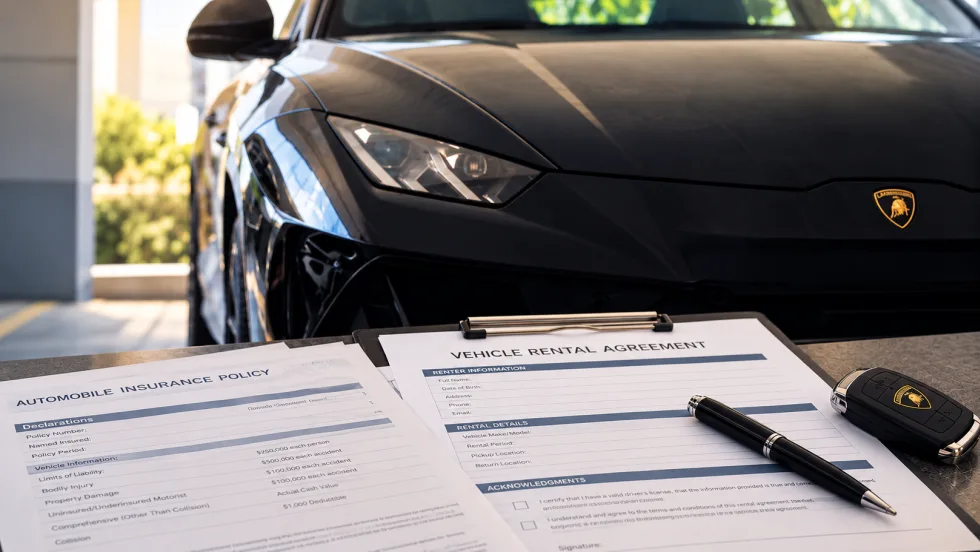
Clean on Paper: Red Flags in Exotic Car Rental Verification
A suspicious $45,000 Lamborghini booking reveals the strengths and limitations of renter verification, from forged insurance documents to coverage gaps and unauthorized drivers. (Part 2 of 3)
Read More →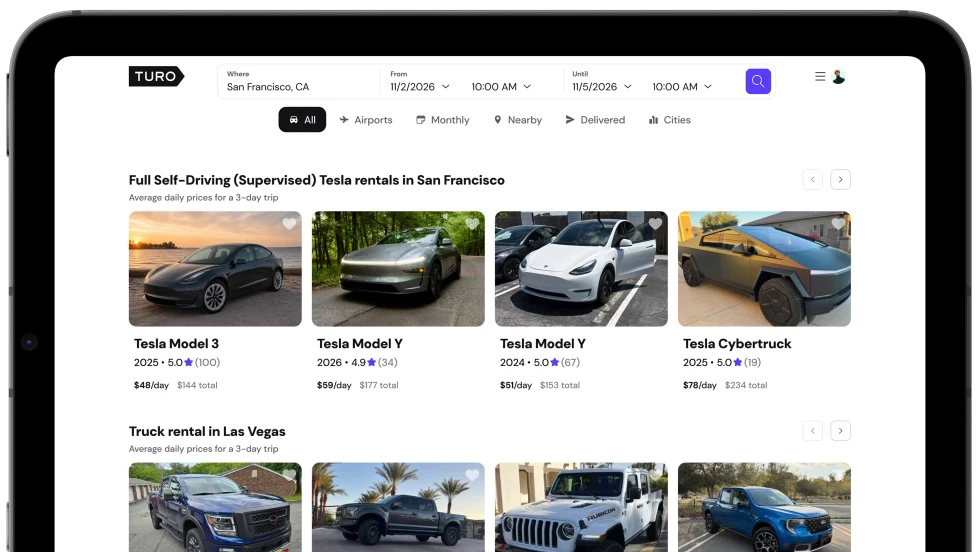
Turo and Tesla Take the Next Step Toward Autonomous Car Rentals
The partnership brings Tesla's Full Self-Driving (Supervised) technology into the rental experience, offering a glimpse of how increasingly automated vehicles could change car rental.
Read More →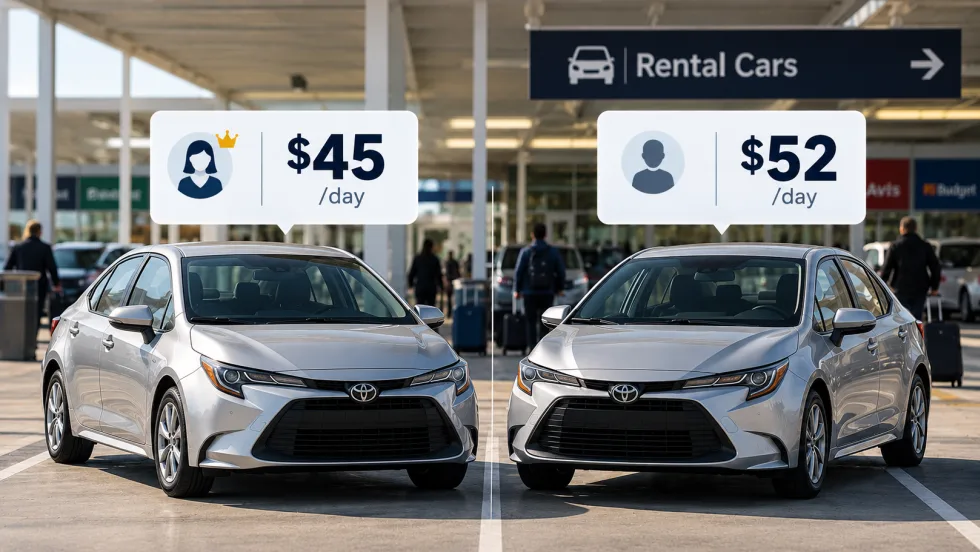
How Rental Operators Can Navigate Personalized Pricing Rules
As regulators scrutinize the use of customer data in pricing, rental operators need to know whether they can explain why one renter pays more than another.
Read More →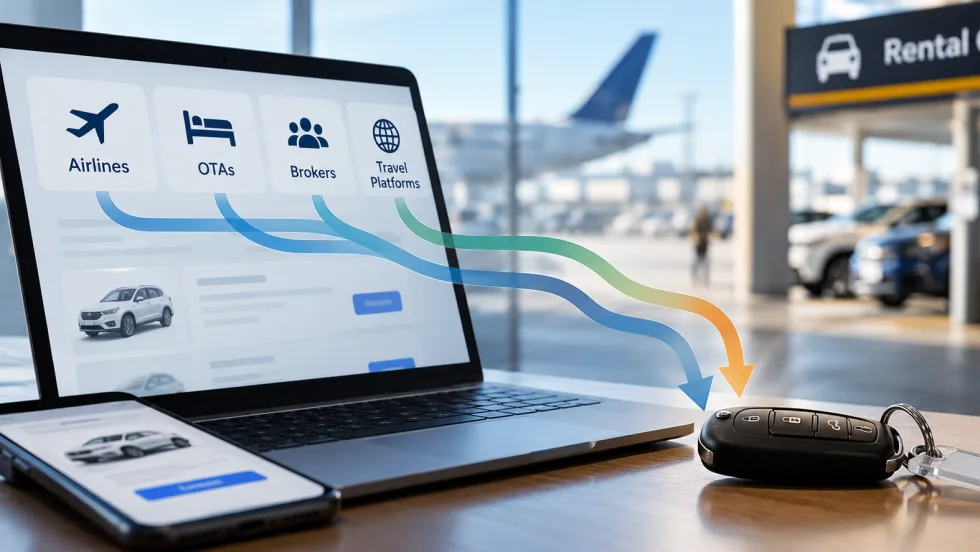
Direct, Broker or Hybrid? How Travel Retailers Source Rental Cars
As travel retailers weigh direct supplier relationships against third-party distribution, rental operators need to understand how those decisions affect their business.
Read More →
How Did This Independent Rental Operator Grow to 170 Vehicles in 4 Years?
With 170 vehicles across three Kentucky locations, Joel Price relies on an overseas team to handle reservations, payments, and after-hours customer service. It's one part of an unconventional approach to growing an independent rental operation.
Read More →
What Does It Take to Succeed in B2B Rentals?
The fundamentals may be familiar to daily car rental operators, but project-based truck rentals put different demands on the fleet and the business.
Read More →
NPR Builds on International Partnerships to Grow Rental Bookings
With Ana Laborde supporting broker development, NPR Auto Group is tailoring distribution strategies, rate packages, and partnerships to grow international reservations across its three brands.
Read More →
Advantage, Sixt Place Among Top Five in Annual Satisfaction Study
While Enterprise and National retain the top spots in JD Power’s 2026 rankings, the latest customer satisfaction results suggest renters can find competitive service beyond the biggest car rental names.
Read More →
The $100,000 Insurance Trap in Exotic Car Rentals
Exotic rental agencies often rely on customers’ personal auto policies to protect six-figure vehicles. But policy language can dramatically change the coverage for vehicles over $100,000 MSRP.
Read More →
The Booking Is Confirmed, But Is Your Customer Ready to Drive?
For international renters, a confirmed reservation doesn’t always mean they’re eligible to drive. Earlier checks can help operators catch documentation and payment issues before the customer reaches the counter.
Read More →