




Florida Regulators Investigate Electronic Toll Systems
Florida state regulators are investigating the Hertz Corp.'s use of electronic toll-paying systems, after five customers told officials they were not properly notified that the vehicles they rented in Florida were registered with a company called PlatePass.
Florida state regulators are investigating the Hertz Corp.'s use of electronic toll-paying systems, after five customers told officials they were not properly notified that the vehicles they rented in Florida were registered with a company called PlatePass, according to the Sun Sentinel.
PlatePass has a contract with Hertz to provide electronic tolling services in its 300,000 vehicles nationwide.
But some customers said the electronic tolling system activated automatically and charged them tolls without their knowledge. Others complained that they continued to be charged a service fee even on days when they didn't use toll roads. Hertz declined to comment on the complaints or the investigation.
Almost all major rental car companies can electronically collect tolls in Florida and other states. With the service, customers can use cashless or high-speed express lanes and bypass long lines at toll booths.
But many consumers are outraged by the extra charges. In March, two private lawsuits seeking class-action status were filed against Hertz, PlatePass, and its parent corporation. Customers who filed suit were upset about what they said were limited disclosures.
State regulators settled a case against Avis Rent A Car System, which also owns Budget, last year over allegations involving its use of PlatePass.
A representative for the Consumer Travel Alliance advocacy group in Washington, D.C., said the rental car tolling issue will evolve as highways continue to add cashless express lanes and switch to unattended toll gates. No standard state or federal regulations exist for these systems.
Bob Barton, president of the American Rental Car Association, said the industry continues to fine-tune its electronic tolling services as the technology evolves.
More Rental Software

Grow Your Rental Business Beyond Cars
Rental fleet operations are facing numerous evolving challenges and opportunities from AI technology to rate and revenue management, to customer service and business growth.
Read More →
Using AI to Create Clarity, Not Conflict, in Rental Car Damage
Rental companies still need people, policy, judgment, and thoughtful implementation, with operators remaining in control of the customer experience.
Read More →
Get Ready To Roll: No Stopping Self-Driving Rental Cars
The autonomous mobility technology revolution will move at its own pace, but sooner rather than later.
Read More →
Southwest Airlines Selects CarTrawler For Its Car Rental Booking Platform
The platform is designed to allow customers to compare and book rental vehicles more easily during the travel booking process.
Read More →
RentalMatics, GeoInt Partner On Rental Car Speed Tracking Tech
Rental operators can now detect and act on speeding while vehicles are still on rent, thereby reducing fines, admin workload, vehicle wear, and safety risks.
Read More →
NextPass Expands Toll Payment Service to Highway In Toronto
Fleets and consumer can use a transponder-less option when traveling between Canada and the U.S.
Read More →
Zubie, PurCo Integrate Rental Damage Detection With Telematics
The combination brings actionable vehicle insights into PurCo’s PurInspect platform, improving damage detection and operational efficiency for rental fleets.
Read More →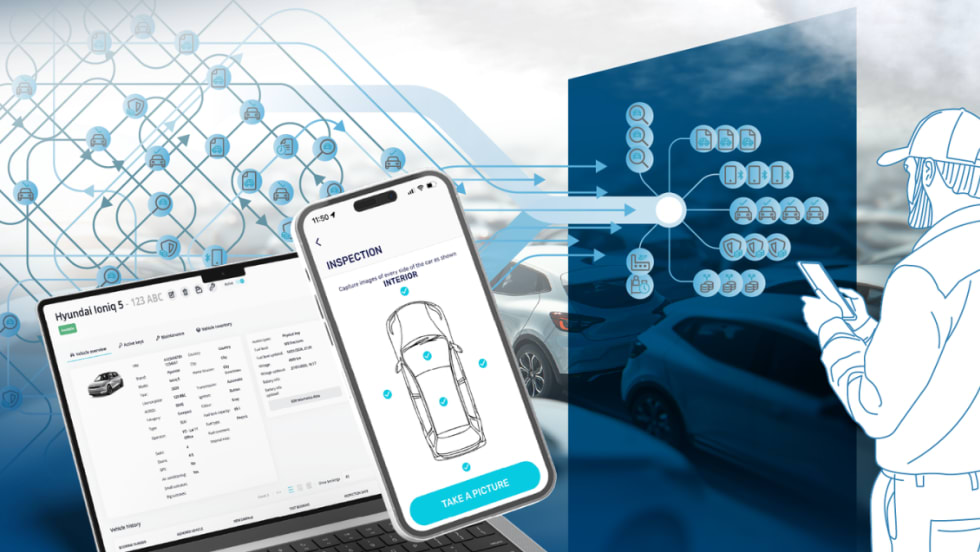
Why Car Rental Can No Longer Run On Workarounds
The shift from branch-based software to connected operations is turning rental technology into strategic infrastructure.
Read More →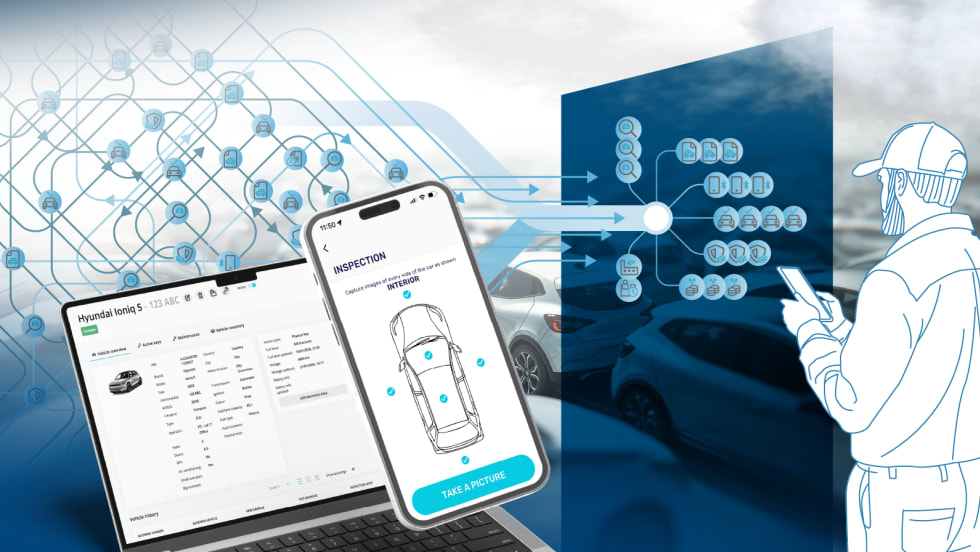
Why Car Rental Can No Longer Run On Workarounds
The shift from branch-based software to connected operations is turning rental technology into strategic infrastructure.
Read More →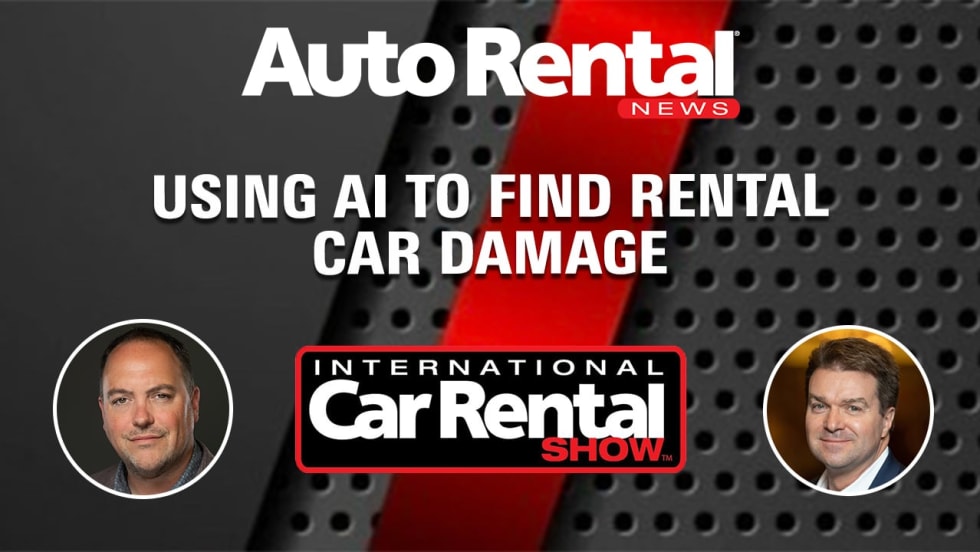
Using AI To Find Rental Car Damage
Angry car renters are storming social media, the mainstream media, and online ratings platforms to complain about charges they claim are either unfounded or excessive.
Read More →