




U-Haul Adds Trucks to Meet Growing Demand
PHOENIX -- U-Haul International Inc. announced it has added 3,000 10-foot moving trucks to its existing rental fleet. These new trucks represent a second installment that completes a $90 million...
PHOENIX -- U-Haul International Inc. announced it has added 3,000 10-foot moving trucks to its existing rental fleet. These new trucks represent a second installment that completes a $90 million truck purchase to help the company keep pace with growing demand.
"Financing for these new trucks is in addition to the $550 million in exit financing announced by our parent company AMERCO today," said U-Haul Executive Vice President John Taylor. "Customer support for the 2,000 10-foot moving trucks we introduced this past summer has exceeded our expectations at every level. These 3,000 additional units not only increase revenues, but also reduce costs through efficiencies and economies in servicing and repair costs."
AMERCO announced it has reached an agreement in principle with Wells Fargo Foothill Inc., part of Wells Fargo & Company, on the terms for $550 million in exit financing. AMERCO said the financing will support the company's emergence from Chapter 11 bankruptcy protection, pending a future definitive agreement.
Donlen Corp., based in Northbrook, Ill., is providing the financing for U-Haul's 3,000 additional units. The new trucks, based upon a GMC chassis, will become available for rentals starting in December.
"We are experiencing an increase in moving activity all across the country, which is a clear indicator to us that the economy is improving," Taylor said. "These new trucks will be a welcome addition to our rental fleet and for our customers."
Based in Phoenix, Arizona, U-Haul has served the do-it-yourself household-moving customer for 58 years. U-Haul trucks and trailers can be rented from more than 14,000 independent dealers and 1,200 company-owned moving centers.
More Rental Operations

U.S. Business Travel Drives $623 Billion+ in Economic Impact as Spending Reaches $538 Billion
The data also underscores the industry’s strong multiplier effect across the U.S. economy, revealing that each dollar invested in business travel in 2024 generated $1.16 in GDP.
Read More →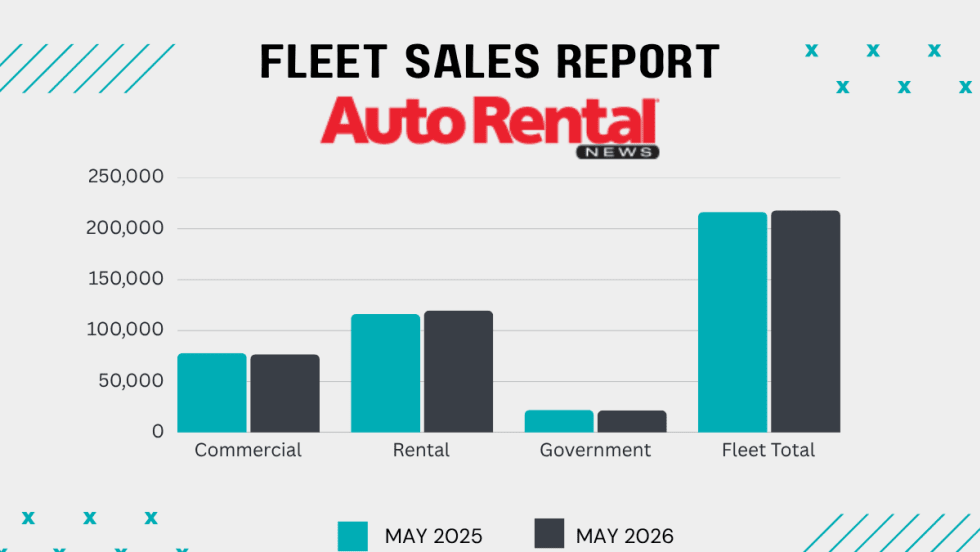
Rental Fleet Sales Skating Just Above 2025 Levels
The U.S. economy's continued growth and positive business investment are creating a favorable environment for fleet vehicle demand.
Read More →
Grow Your Rental Business Beyond Cars
Rental fleet operations are facing numerous evolving challenges and opportunities from AI technology to rate and revenue management, to customer service and business growth.
Read More →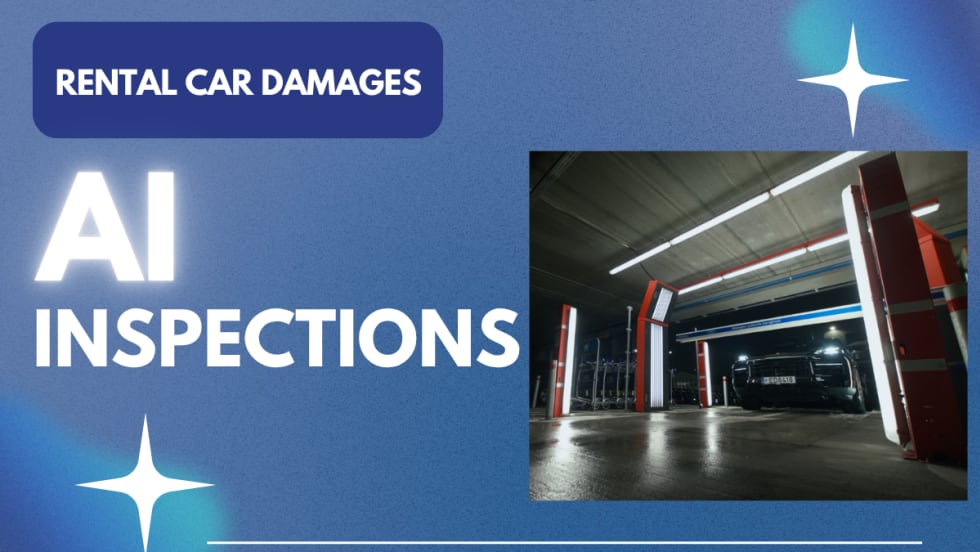
Using AI to Create Clarity, Not Conflict, in Rental Car Damage
Rental companies still need people, policy, judgment, and thoughtful implementation, with operators remaining in control of the customer experience.
Read More →
Get Ready To Roll: No Stopping Self-Driving Rental Cars
The autonomous mobility technology revolution will move at its own pace, but sooner rather than later.
Read More →
Southwest Airlines Selects CarTrawler For Its Car Rental Booking Platform
The platform is designed to allow customers to compare and book rental vehicles more easily during the travel booking process.
Read More →
Cross-Pressures, Evolving Trends Drive 2026 Rental Car Industry
A combination of cautious economic behavior, shifts in the rental vehicle market, and technological influences are shaping car rental operator decisions.
Read More →
Government Affairs Executive Wins Leading Rental Car Industry Award
Robert Muhs started in the car rental industry with Avis Budget Group two years before the first International Car Rental Show.
Read More →
Green Motion Expands Its African Presence with Mozambique Launch
This new rental car outlet reflects the growing demand for reliable transportation and the emphasis on sustainable travel across the continent.
Read More →
RentalMatics, GeoInt Partner On Rental Car Speed Tracking Tech
Rental operators can now detect and act on speeding while vehicles are still on rent, thereby reducing fines, admin workload, vehicle wear, and safety risks.
Read More →