




NBTA Study Reveals Best, Worst Travel Taxes in Top 50 U.S. Destinations
The study shows that taxes targeting travel services increase cost by 56 percent. Rental industry says high discriminatory travel taxes deter meetings and harm local economy.
Discriminatory travel taxes and fees enacted on travel-related services - often to fund unrelated local projects - impose an average increased cost on visitors of 56 percent over general sales tax, according to an annual study by the National Business Travel Association Foundation and Concur.
The study, which is conducted by the NBTA Foundation, the education and research foundation of the NBTA, and Concur, a provider of on-demand employee spend management services, analyzes the car rental, hotel and meal taxes in the top 50 U.S. travel destination cities.
"The business and travel communities are increasingly concerned about the negative impact that taxes targeting travelers have on the greater travel industry and local economies. It is unacceptable that visitors, whose general tax dollars can help to keep a community afloat in difficult economic times, are forced to pay so much more taxes and fees to fund projects unrelated to the services they purchase," said NBTA Executive Director and COO Michael W. McCormick. "On average, the fees targeting travel services increase the tax burden by more than half, and in the worst cases, by up to 144 percent. Rest assured, companies are taking notice of these unfair burdens when determining how and where to spend their business travel, meetings and events dollars."
"For corporate travel managers and their companies, the rising cost of business travel, meetings and events continues to be an area of focus and concern," said Rajeev Singh, president and COO of Concur.
In the study, the top 50 markets are ranked by overall travel tax burden, including general sales tax and discriminatory travel taxes, and by discriminatory travel tax burden, excluding general sales taxes to count only taxes that target car rentals, hotel stays and meals. Separate data are offered for central city and airport locations, as the tax regimes are often distinct.
The research shows the U.S. cities where travelers incur the lowest total tax burden in central city locations, factoring in general sales taxes and discriminatory travel taxes, are:
1. Fort Lauderdale, FL
2. Fort Myers, FL
3. Portland, OR
4. Detroit, MI
5. Honolulu, HI
The cities that impose the highest total taxes on travelers are:
1. Chicago, IL
2. New York, NY
3. Boston, MA
4. Seattle, WA
5. Minneapolis, MN
Discriminatory travel taxes are those imposed specifically on travel services above and beyond general sales taxes. The U.S. cities with the lowest discriminatory travel taxrates in central city locations are:
1. Orange County, CA
2. San Jose, CA
3. Burbank, CA
4. San Diego, CA
5. Ontario, CA
The cities that impose the highest discriminatory travel taxes on travelers are:
1. Portland, OR
2. Boston, MA
3. Minneapolis, MN
4. Indianapolis, IN
5. New York, NY
"What many cities don't realize is that these taxes are not only burdening business travelers, but local businesses pay the price, as well. In fact, most companies spend the majority of their car rental and hotel budgets in the communities in which they have offices. Ultimately, cities are hurting their economies two-fold, with hidden costs to local businesses and taxes out-of-town visitors will try to avoid," NBTA's McCormick said.
More Rental Operations
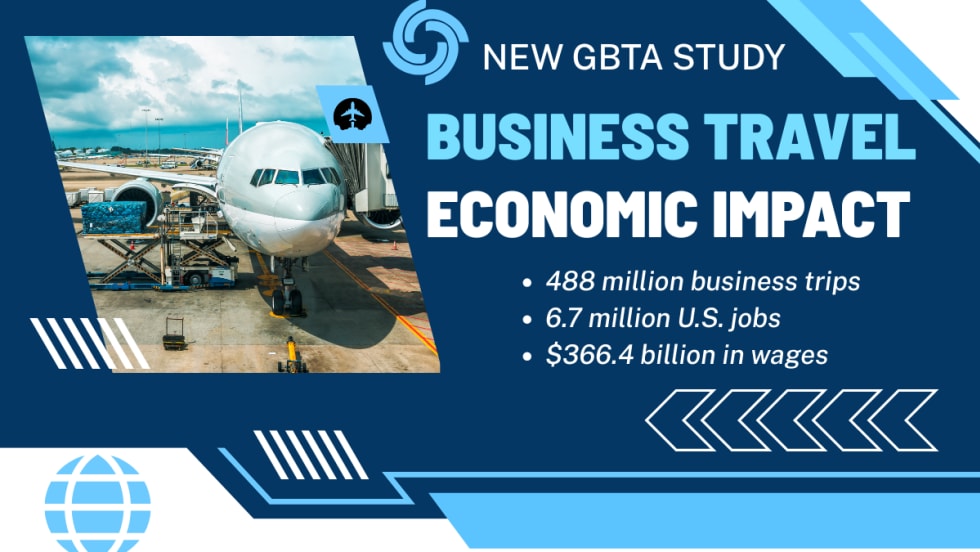
U.S. Business Travel Drives $623 Billion+ in Economic Impact as Spending Reaches $538 Billion
The data also underscores the industry’s strong multiplier effect across the U.S. economy, revealing that each dollar invested in business travel in 2024 generated $1.16 in GDP.
Read More →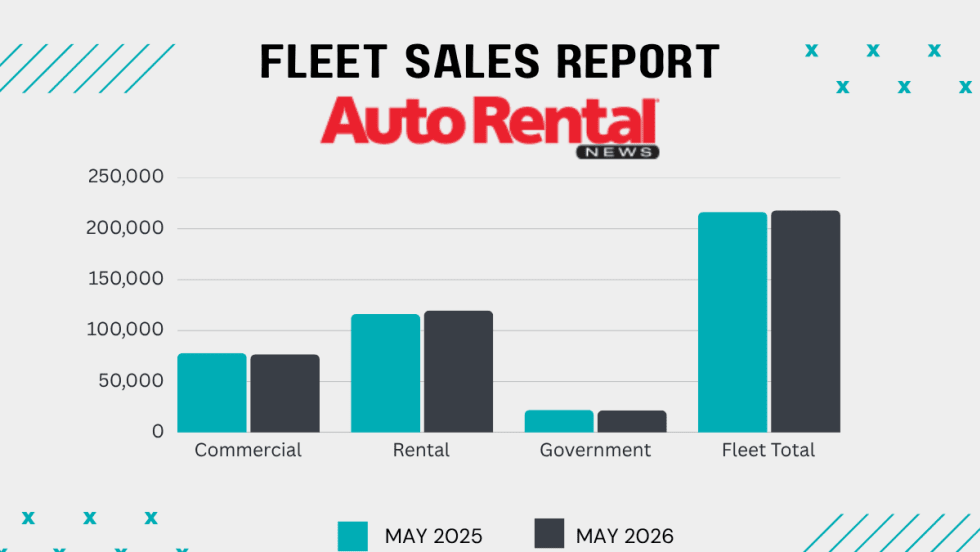
Rental Fleet Sales Skating Just Above 2025 Levels
The U.S. economy's continued growth and positive business investment are creating a favorable environment for fleet vehicle demand.
Read More →
Grow Your Rental Business Beyond Cars
Rental fleet operations are facing numerous evolving challenges and opportunities from AI technology to rate and revenue management, to customer service and business growth.
Read More →
Using AI to Create Clarity, Not Conflict, in Rental Car Damage
Rental companies still need people, policy, judgment, and thoughtful implementation, with operators remaining in control of the customer experience.
Read More →
Get Ready To Roll: No Stopping Self-Driving Rental Cars
The autonomous mobility technology revolution will move at its own pace, but sooner rather than later.
Read More →
Southwest Airlines Selects CarTrawler For Its Car Rental Booking Platform
The platform is designed to allow customers to compare and book rental vehicles more easily during the travel booking process.
Read More →
Cross-Pressures, Evolving Trends Drive 2026 Rental Car Industry
A combination of cautious economic behavior, shifts in the rental vehicle market, and technological influences are shaping car rental operator decisions.
Read More →
Government Affairs Executive Wins Leading Rental Car Industry Award
Robert Muhs started in the car rental industry with Avis Budget Group two years before the first International Car Rental Show.
Read More →
Green Motion Expands Its African Presence with Mozambique Launch
This new rental car outlet reflects the growing demand for reliable transportation and the emphasis on sustainable travel across the continent.
Read More →
RentalMatics, GeoInt Partner On Rental Car Speed Tracking Tech
Rental operators can now detect and act on speeding while vehicles are still on rent, thereby reducing fines, admin workload, vehicle wear, and safety risks.
Read More →