


Florida Supreme Court Rules Insurer Must Pay for Rental Car Crash
Though the person driving the rented vehicle wasn’t the original renter, the court ruled that because the original renter gave permission, the insurance company is still responsible for damages.
The Florida Supreme Court’s ruling on Nov. 23 overturned a district court’s findings on a case that involved a rental car crash in which the original renter wasn’t driving at the time of the accident.
In a 5-2 opinion in review of Chandler v. Geico Indeminity Co., the state’s Supreme Court reaffirmed earlier rulings, stating that an auto rental agreement cannot put restrictions on an insured renter’s auto coverage. This means that auto rental insurance coverage in the state is primarily guided by that of the insurance policy, not the rental agreement.
Case Background
Insurance company Geico was the insurer of Kutasha Shazier. In August 2006, Shazier rented a car from Avis Rent-A-Car, designating Geico as her primary insurer.
During the period of rental, Shazier permitted the vehicle to be driven by Frederick Royal, who then gave permission to Tercina Jordan to use the vehicle. Jordan subsequently crashed the vehicle into a tree, seriously injuring minor passengers and killing one.
Geico contended that it wouldn’t cover Shazier because the vehicle was no longer considered a “temporary substitute auto” because permission wasn’t given directly by Avis for Jordan to drive the vehicle.
According to Geico’s policy, “‘Temporary substitute auto’ means a private passenger, farm or utility auto or trailer, not owned by [the policy holder], temporarily used with the permission of the owner.”
The trial court first ruled that Geico was responsible to pay for damages on behalf of its policyholder, Shazier — stating that the vehicle satisfied the definition of a “temporary substitute auto” and Shazier’s decision to permit others to drive the vehicle was considered within the “use” of the vehicle under Geico’s insurance policy.
Geico appealed and the district court reversed the order, stating that the rental car didn’t constitute a “temporary substitute auto.” The district court cited a case in 2000 that ruled, “the owner of the temporary substitute vehicle, not its user, possesses the authority to define the scope of permissible use of the substitute vehicle.”
According to the court document, the rental agreement from Avis contained the following restrictions in regards to other operators and how it could affect liability protection:
“No additional operators are authorized or permitted without Avis’ prior written approval in accordance with the terms and conditions of the rental agreement or applicable state law. … Certain uses of the car and other things you or a driver may do, or fail to do, will violate this agreement. A violation of this paragraph, which includes use of the car by an unauthorized driver, will automatically terminate your rental [and] void all liability protection and any optional services that you have accepted[.]”
The district court said that because of Avis’ policy outlining use of the vehicle and because the car was used by Jordan without Avis’ permission, the vehicle therefore did not qualify for Geico’s “temporary substitute auto” coverage under Shazier’s policy. The vehicle instead was considered a “non-owned auto” under Geico’s policy, which would only cover the damages if Jordan had been a relative of Shazier.
The Final Court Decision
The district court’s ruling conflicted with earlier Florida cases dating all the way back to 1920. “Under that long-established doctrine, liability is imposed on the owner of an automobile who voluntarily entrusts the vehicle to an individual who causes damage to others through the negligent operation of the vehicle,” the Supreme Court document stated. And even further, consenting to use a vehicle cannot be made ineffective by a third-party agreement, which is what the district court did in using Avis’ policy over Geico’s.
The Supreme Court outlined that “use” of a vehicle is different than “operating,” in which the operators were not using the vehicle in a way that went against the rental agreement (i.e. theft). For example, the Supreme Court cites American Fire & Casualty Co. v. Blanton (Florida First District Court of Appeals, 1966), which recognizes that a rental vehicle is often operated by those other than the original renter, such as a valet driver, filling station personnel, etc., and “that it would be unreasonable to negate the rental car agency’s liability and its insurance coverage in case of accident because of the existence of a collateral or side agreement of the kind here involved.”
The Supreme Court said that in these cases, including Chandler v. Geico, “the use of a vehicle is not limited by the identity of the operator,” meaning the term “use” is far broader than “operate.” The court ruling said, “Accordingly, under the terms of Geico’s policy, Shazier had the permission of the owner of the vehicle, and the car became the insured’s ‘owned car’ under the Geico policy at that moment. Shazier’s ‘owned car’ by definition was being used with her permission at the time of the collision, and Geico cannot escape liability contrary to Florida law.”
Click here to view the original court document.
- By Joanne M. Tucker
More Fleet Insurance
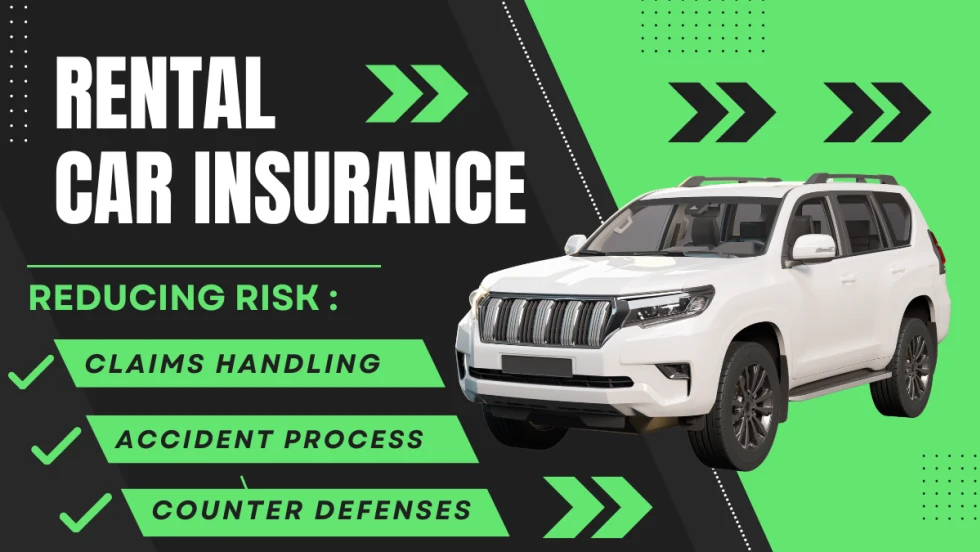
Hanging By A Vote: What the Hertz Insurance Ruling Means for Rental Operators
A recent precedent-setting court case points to the precautions and steps a rental fleet operation should take to minimize risk, reduce exposure, and avert legal consequences.
Read More →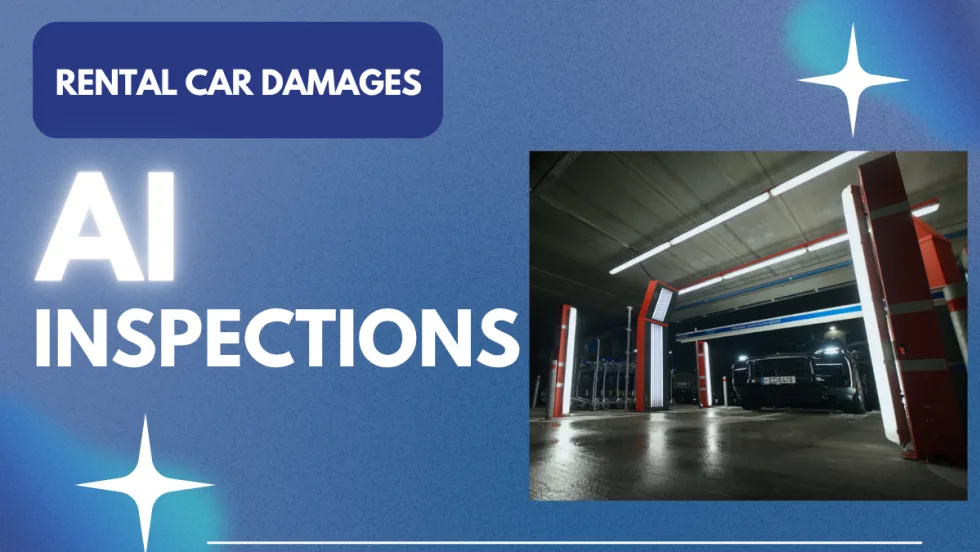
Using AI to Create Clarity, Not Conflict, in Rental Car Damage
Rental companies still need people, policy, judgment, and thoughtful implementation, with operators remaining in control of the customer experience.
Read More →
Go Rentals, Repair Provider Partner To Ease Insurance Claims Experience
The arrangement helps reduce the stress of collision repair for vehicle owners by connecting them to reliable, timely rental cars.
Read More →
U.S. Collision-Related Rental Length of Rental Declined Modestly in Q4 2025
While LOR continues to decrease from post-pandemic highs, ongoing market and economic conditions could impact future results.
Read More →
Beyond The Rental Desk: Inside Car Rental’s Push To Simplify
Greater transparency, simplified digital access, and connected fleets will be the key factors in determining who comes out on top over the next 10 years.
Read More →
Tripiamo Brings Certified Driving Confidence Training For Car Renters
Driving abroad is one of the leading causes of death among international travelers, who are not used to new traffic patterns.
Read More →
AI in Car Rental Should Be the Customer’s Advocate, Not Accuser
Opinion/Editorial: What happens when AI randomly overcharges car renters outrageous fees and penalties?
Read More →
TSD Mobility, Canopy Connect Partner to Ease Insurance Verification
The new integration brings streamlined functionality to rental agents and dealerships.
Read More →
Length of Rental Could Be Finding a New Normal of More Days
The industry may not be returning to the lower LORs of 2019 and 2020 as two years of declining repair shop backlogs appear to flatline.
Read More →
Gallagher Insurance Hires Broker Focused on Rental Car Operations
The former rental fleet executive informs his insurance practices with the everyday realities of managing rented vehicles.
Read More →