


How to Effectively Answer the Phone
Proper protocol during the initial phone call can mean the difference between a new valued customer or lost business.

Photo via iStockPhoto.com/MichaelJung

Photo via iStockPhoto.com/MichaelJung
Customers’ first one-on-one encounter with your rental car company often happens over the phone — therefore, creating a positive first impression is imperative.
Rental agents need to learn how to use the phone system’s features, how to place a call on hold and how to transfer a call. They shouldn’t be learning these techniques on the customer’s time.
The following are basic guidelines for agents to maintain proper protocol in handling customers’ phone calls.
First Contact
Proper telephone etiquette is to answer the phone by the third ring. Don’t wait and expect someone else to answer the phone. Unanswered calls can result in the loss of potential business.
Before answering the phone, smile. Callers can hear a smile in your voice. When you answer the phone, the greeting should consist of stating your rental car company’s name as well as your name.
Focus on speaking clearly and in a normal tone and volume. Your tone of voice communicates confidence, sincerity and competence to customers. Keep a positive attitude throughout the conversation, with an appropriate level of enthusiasm.
To make the call more personal, use the customer’s name a few times during the call. Try placing the customer’s name at the beginning of questions and at the end with your “thank you” ending statement.
Be sure to listen for the caller’s name after you’ve finished your greeting. If you have a hard time remembering names, it’s a good practice to keep a pen and paper handy to write them down.
How you end a call is just as important as the rest of the call. After thanking the customer for his or her business, add an applicable, positive statement like, “Have a wonderful time on your vacation, Ms. Jones.” If you tie your ending statement to information obtained or shared during the call, it communicates to the customer that you were really listening and paying attention.
Words and Phrases to Avoid
What you say is as important as how you say it. Choose your words carefully. Avoid the jargon, slang and technical terms that customers may not know. For example, you know what LDW, CDW and PAE refer to; however, all of your customers may not. Using unfamiliar terms can cause the call to go longer and negatively impact your telephone sales.
The words we use and the tone in which we use them can change the dynamics of the phone conversation. For example, using words such as “thank you,” “please” and “you’re welcome” emphasize politeness and respect.
Here is an example of a phrase to avoid and more professional alternatives to use instead:
Avoid: “I don’t know.” Alternatives: “Let me find out for you.” “I know who can answer that question for you.” “Good question. Let me find the answer.”
[PAGEBREAK]
Putting Customers on Hold
Before pressing the hold button, ask if the customer is able to hold and explain why you need to put the call on hold. Give an accurate estimate of the hold time. Create a mental picture for the caller, and he or she will be more willing to wait: “I’ll need to pull up your reservation; it will just take a few minutes. Are you able to hold?”
Once you return to the line, use the caller’s name and thank him or her for waiting. If it’s going to be a lengthy hold, offer a callback as an alternative. When a call back is necessary, make sure to verify the call back number, return the call promptly and apologize for the wait.
When transferring a call, provide the customer’s name to the next person — along with the details of why you are transferring the call. The customer should not have to repeat the conversation all over again. Additionally, provide the names and telephone numbers to each party in case something occurs to disconnect the call.
Since the majority of our phone calls are still limited to only voice interaction, wording and tone are even more important when serving customers. Customers don’t know what you meant to say, but they know what they heard you say.
About the Author
Pat Bowie, aka “Pat the Trainer,” is director of training & development for NextCar, Priceless and Rent-A-Wreck of America. Pat will present a seminar at the Auto Rental Summit titled, “Counter Sales Made Easy.”
More Rental Operations
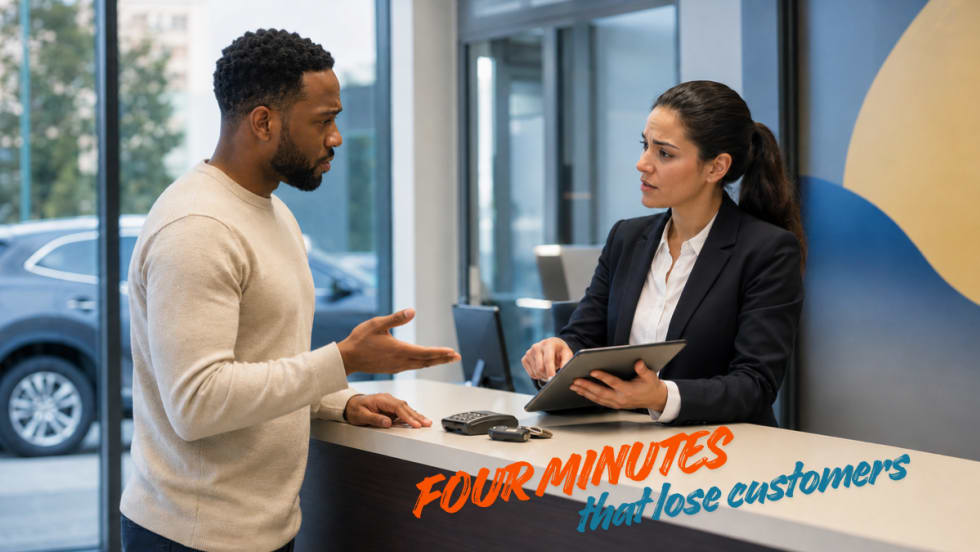
The Desk Upsell Is Costing Operators More Than it Earns
Counter upsells generate revenue, but they can also slow transactions, erode trust, and cost repeat business. Fully inclusive pricing may offer operators a better path to long-term value.
Read More →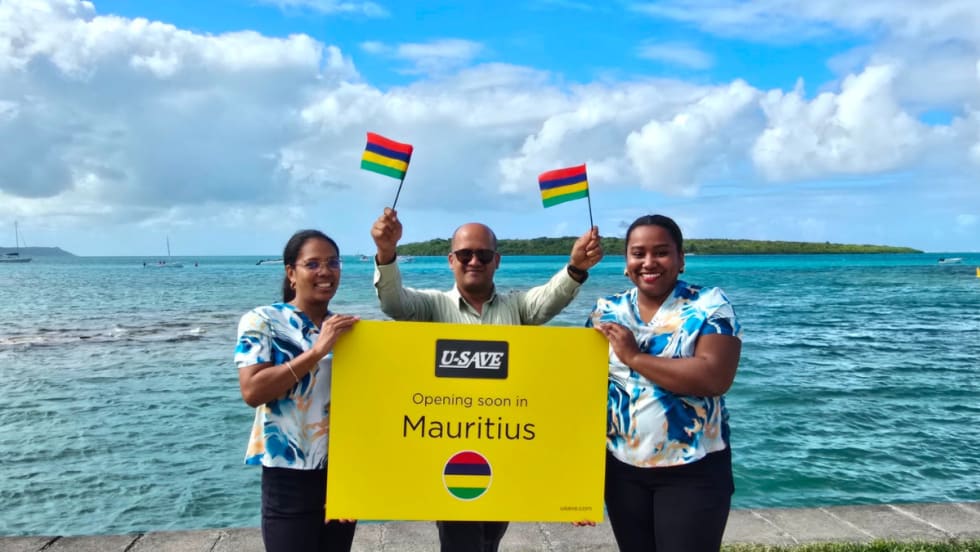
U-Save Expands Indian Ocean Presence with New Master Franchise for Mauritius
The franchise has been acquired by Mauritian travel entrepreneur Umarfarooq Omarjee, an established figure in the island's tourism and mobility sector.
Read More →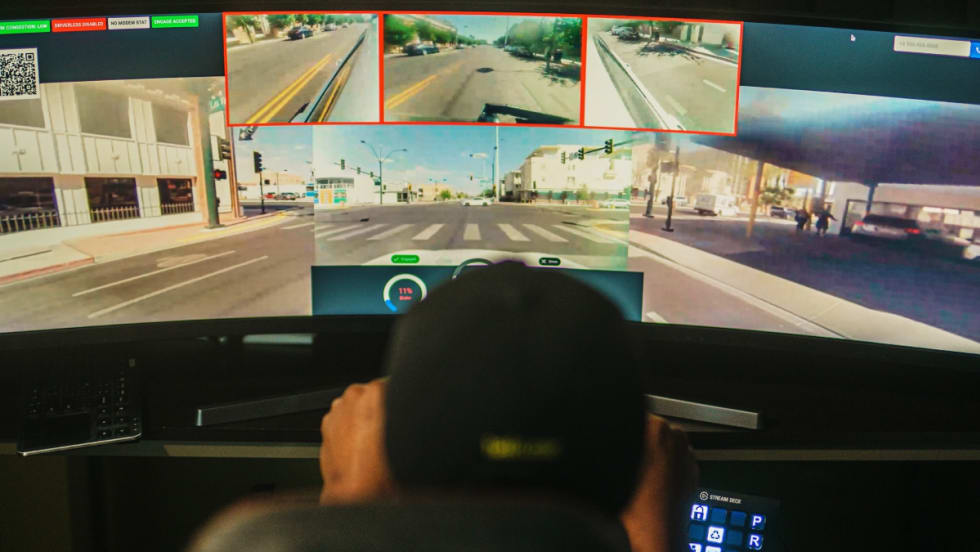
Global Carsharing Fleet Projected to Reach 768,000 Vehicles By 2030
A new Berg Insight forecast outlines several business models driving the projected growth in public carsharing worldwide through 2029.
Read More →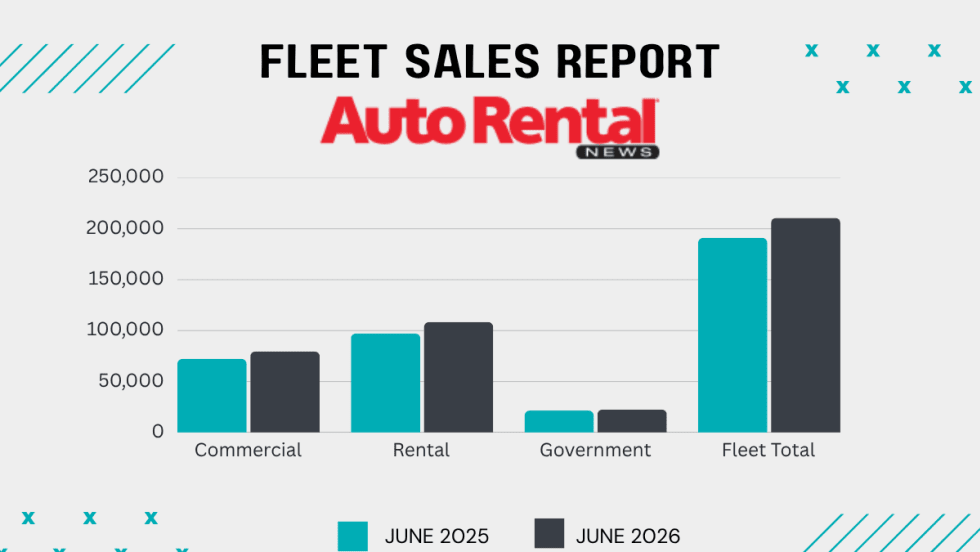
Rental Car Fleet Sales Show Mid-Year Strength
June gains ensured rental fleets closed out the first half of 2026 in positive territory.
Read More →
Surprice Mobility Opens Corporate Rental Station at Milan Malpensa Airport
The Milan opening is part of Surprice Mobility's broader strategy to expand its corporate operations while increasing the use of technology across its network.
Read More →
Brazilian Executive MBA Targets Growing Domestic Rental Car Industry
Rental car companies face a unique combination of challenges that are rarely addressed in traditional programs.
Read More →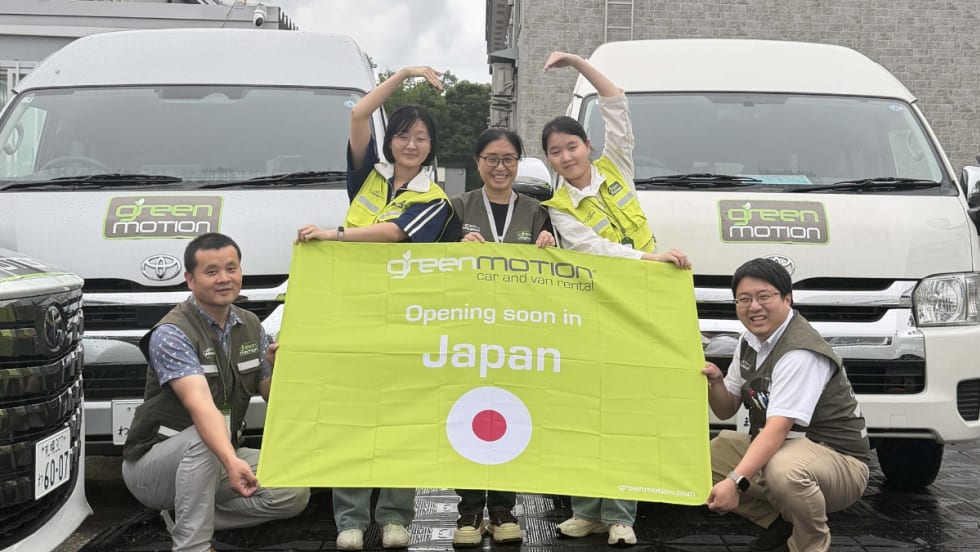
Green Motion Expands Into Japan With Master Franchise Agreement
Japan's tourism industry, business travel market, and demand for vehicle rental services are reasons the country represents an important market for the company.
Read More →
ACRA Carrying Fuller Industry Load As AI and EVs Lurk In Future
The leading car rental professional business group details an active legislative, regulatory, and macro-trends agenda affecting car rental operators.
Read More →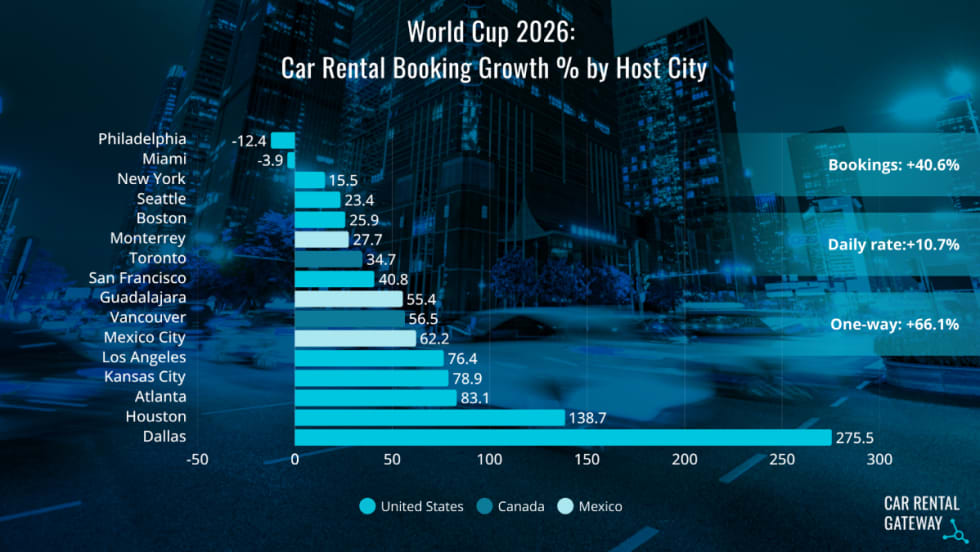
World Cup Travel Data Shows Longer Car Rentals and More One-Ways
A recent analysis of FIFA bookings found varied demand patterns that influenced rental car pricing.
Read More →
A Leveling Force: AI Morphs Into A Rental Car Profit-Seeker
Revenue managers can’t match the emerging AI tools gobbling lots of data that could counter the competitive race to the rate bottom.
Read More →