



Toyota's Residual Values Increase Along With Rise in Industry
Kelley Blue Book data shows Toyota brand consideration rebounds higher than pre-recall levels.
The average year-over-year change in 36-month residual values of new Toyota models is forecasted to increase by 4.2 percentage points (based on the vehicles’ MSRP), according to Kelley Blue Book Values data, which will be published in KBB’s May/June Residual Value Guide.
While Toyota’s increase is below the industry average increase of 6.2 percentage points, it still outperforms a number of other brand increases. Year-over-year changes in residual values in the May/June release are largely being driven by changes within the vehicle segments.
Kelley Blue Book lowered its outlook on current used Toyota vehicle values in early February, with affected models dropping anywhere from 1-3 percent depending on the model. In early March, Toyota began offering various incentives to bring consumers back to the brand.
Toyota’s recall, lingering in the press and the introduction of these incentives raised questions about Toyota’s residual values. According to Kelley Blue Book analysts, shifts in incentive spending often impact current used-car values much more than future values otherwise known as residual values. At this time, Kelley Blue Book’s residual analysts do not believe that the company will make zero percent financing a permanent fixture and therefore values will not be impacted greatly three or four years from now.
“Incentives offering lower interest rates have less of an impact on future values than cash incentives,” said Eric Ibara, director of residual value consulting, Kelley Blue Book. “Attractive lease payments can increase market penetration for certain models and create a larger volume of lease returns for the banks in the end. What remains to be seen is the larger volume of leases Toyota’s incentives create, as the volume is what will have a detrimental impact on future residual values."
Toyota’s recent attractive incentive offers appear to be driving a rebound in consideration according to Kelley Blue Book Market Intelligence data. Seven percent of car shoppers say they were not considering a Toyota prior to the incentive announcements, but now they are. In addition, the week-over-week percentages of consumers who say they would never consider a Toyota again, decreased (from 17 to 13 percent).
Additionally, the company’s Market Intelligence data shows Toyota consideration and interest has increased considerably in the last week, rebounding to higher levels than before the company’s recent major recall announcements.
The latest data shows 45 percent of in-market new-car shoppers now are considering a Toyota, up 13 percentage points from last week when only 32 percent of car shoppers were considering the brand. This week’s levels also leap seven percentage points above Toyota’s consideration prior to the major recall announcements in mid-January, when the brand was seeing 38 percent consideration. Additionally, this week’s levels are 17 percentage points higher than Toyota’s consideration was at its lowest point in the midst of the recall crisis, at only 28 percent in early February.
“Toyota may finally be turning the corner,” said James Bell, executive market analyst, Kelley Blue Book. “Between their aggressive realignment of production to be more in line with demand, the company’s current incentive offerings and the understanding that the recall issue while severe is statistically small; it’s not surprising that Toyota is now on the road to recovery.”
Furthermore, in-market new-car shoppers’ perceptions of Toyota’s safety have made small gains. According to the latest data from the Kelley Blue Book Brand Watch study, prior to the recall Toyota reached an 8.4 (on a 10-point scale) in perceived safety, but in the weeks following the recall news, their rating plummeted to 5.7. This week, Toyota’s perceived safety has climbed to 6.8 and is showing signs of continued upward movement.
This Kelley Blue Book Market Intelligence study on the Toyota recall was fielded to a total of 349 in-market car shoppers on Kelley Blue Book’s www.kbb.com from March 12 – 15, 2010.
More Fleet Acquisition
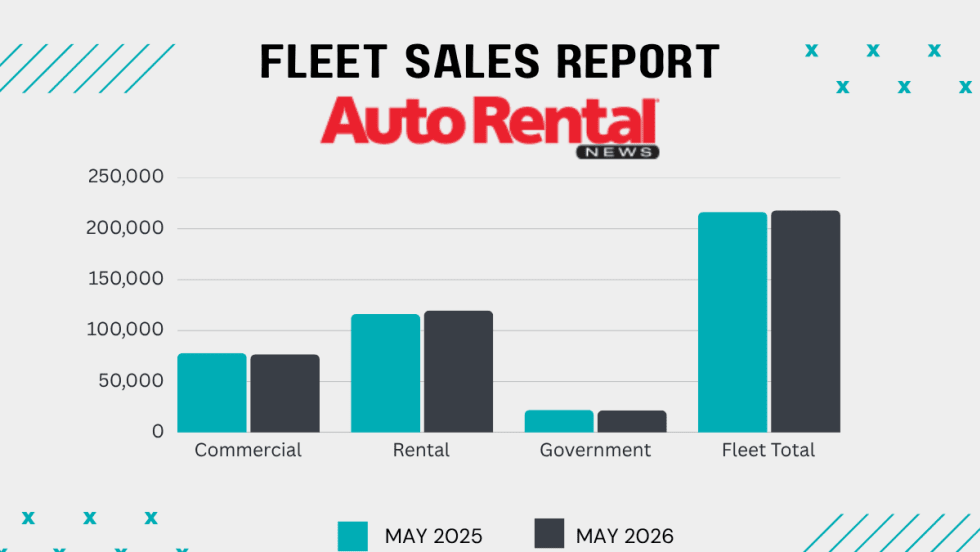
Rental Fleet Sales Skating Just Above 2025 Levels
The U.S. economy's continued growth and positive business investment are creating a favorable environment for fleet vehicle demand.
Read More →
Get Ready To Roll: No Stopping Self-Driving Rental Cars
The autonomous mobility technology revolution will move at its own pace, but sooner rather than later.
Read More →
Cross-Pressures, Evolving Trends Drive 2026 Rental Car Industry
A combination of cautious economic behavior, shifts in the rental vehicle market, and technological influences are shaping car rental operator decisions.
Read More →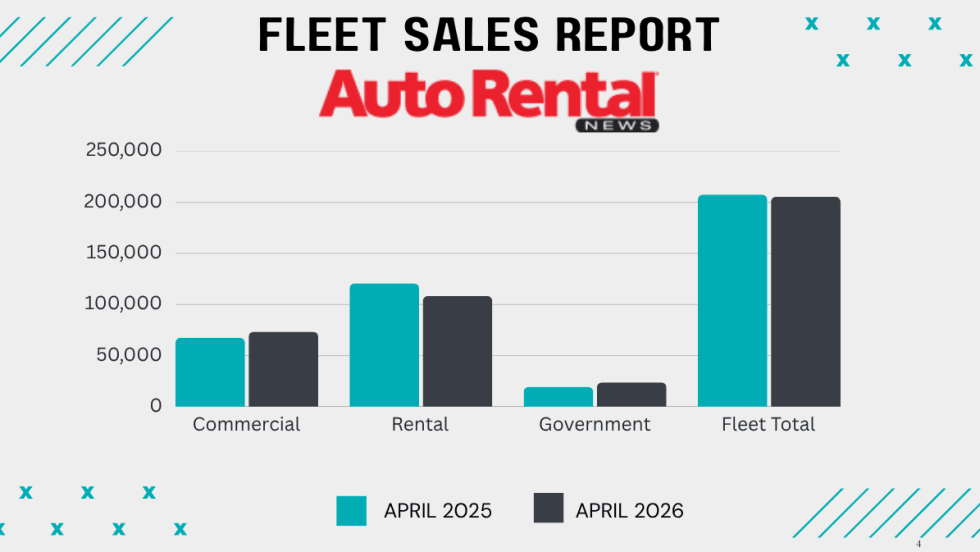
Monthly Rental Fleet Sales Dip Again As YTD Numbers Flatten
Pull-ahead demand for rental cars in the second half of 2025 appears to be slowing purchases so far this year.
Read More →
DriveItAway Transitions To OTCID, Expands To 40 U.S. Markets
The dual milestone propels the company toward its goals of accessing longer-term capital markets and deploying a national platform.
Read More →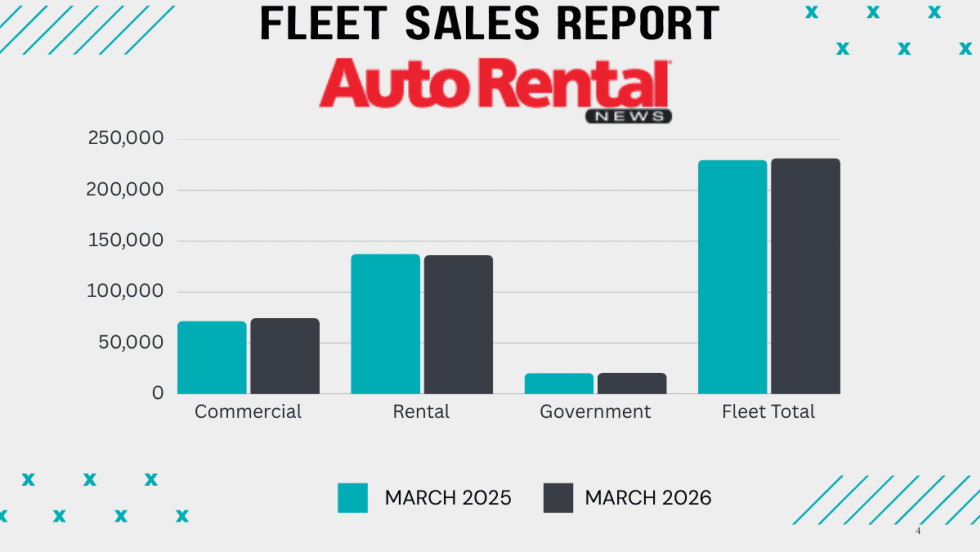
Rental Fleet Sales Stay Ahead In Q1 Despite Monthly Dip
Vehicle sales into commercial fleets are outpacing rental car fleet purchases so far this year.
Read More →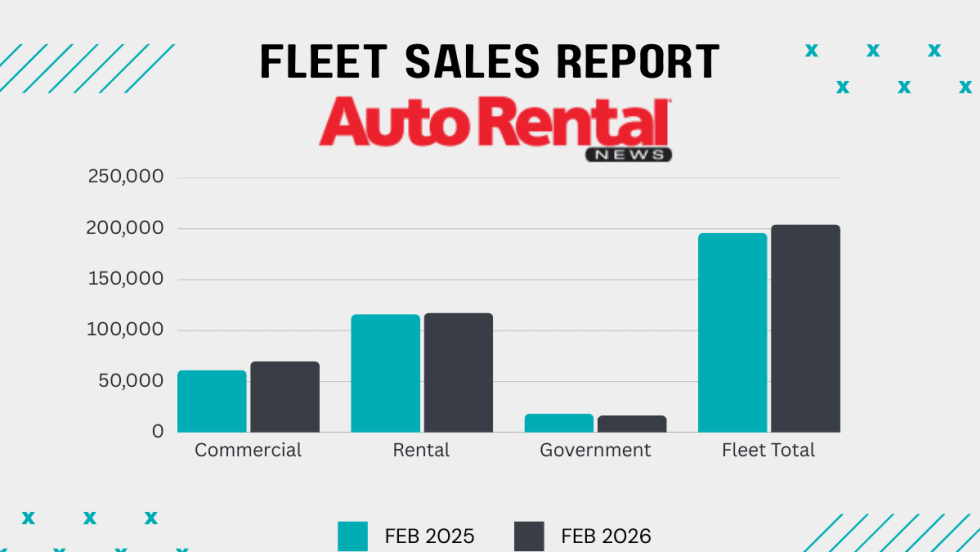
Rental Fleet Sales Slow In February Ending A Strong Streak
Commercial fleets posted the most gains, sustaining increases in monthly and year-to-date fleet sales
Read More →
How It's Still Possible To Run An Electric Rental Fleet
This Season 2 / Episode 4 of Auto Rental News’ Industry Newsmakers series broaches a difficult subject in car rental: How do you make EVs succeed?
Read More →
Avis Budget Group Reports Near $1 Billion Loss Tied To 2025 EV Fleet Write-Down
Following Hertz, the company is the second global car rental conglomerate to sustain sizable losses due to lower customer demand and usage of electric rental cars.
Read More →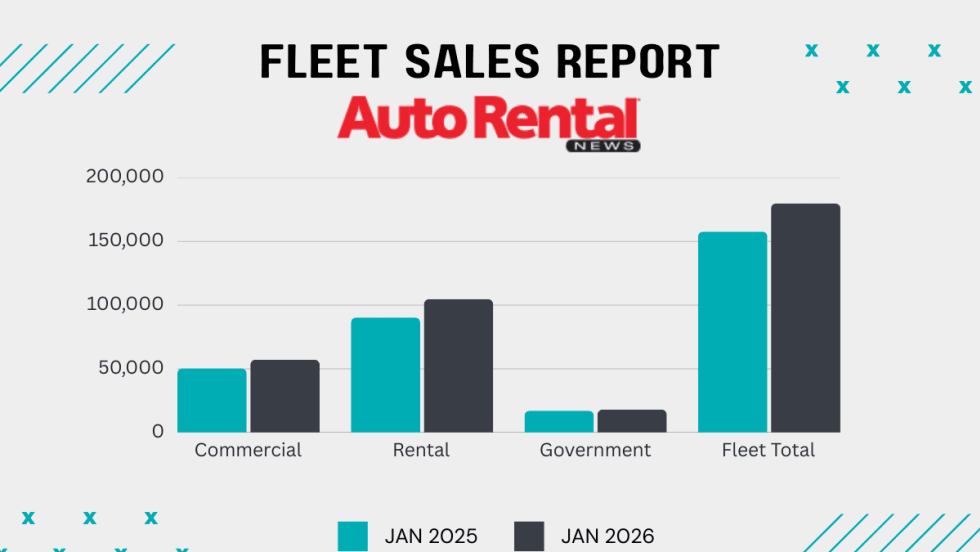
Rental Fleet Sales Shoot Ahead From The Starting Line
Rental car operations continued their 2025 reputation as the top driver of fleet sales.
Read More →