




Legislation OKs Peer-to-Peer Car Sharing in Oregon
At least two companies have announced expansion to the West Coast state since the Oregon Legislative Assembly passed HB 3149, which became effective Jan. 1.
Peer-to-peer car-sharing legislation passed the Oregon Senate in a 25-3 vote back in June 2011, allowing the collective consumer model to be used in the state for vehicle sharing.
Since the passage of House Bill 3149, at least two companies have announced expansion to the state: Getaround will be running its peer-to-peer service by February through a federal grant and fresh-off-the-block JustShareIt has mentioned that it plans to expand to Oregon later this year after just launching in San Francisco Jan. 1.
The Oregon legislation was passed in order to make sure all personal vehicles used in the programs were properly insured. The bill outlines that a vehicle owner’s insurance policy must include personal injury protection and uninsured motorist coverage. It also requires that each “personal vehicle-sharing program” provides a program insurance policy with coverage for each vehicle that it facilitates the use of.
In terms of liability, the bill states that if a vehicle owner is named as a defendant in a civil action for loss or injury that occurs when the owner is not driving the vehicle, but it is instead being used in the car-sharing program, “[T]he program shall have the duty to defend and indemnify the vehicle's registered owner.”
HB 3149 also prohibits the use of commercial vehicles as defined by Oregon law in a personal vehicle-sharing program.
The peer-to-peer model has come under recent scrutiny after HiGear, a luxury vehicle peer-to-peer sharing model, shut down after a series of thefts in California. (For a blog on the issue, click here.) California passed its peer-to-peer legislation in September 2010 under Assemby Bill 1871.
For the official legislation outlining all the requirements for a car-sharing company in Oregon, click on the URL: http://www.leg.state.or.us/11reg/measures/hb3100.dir/hb3149.en.html
For a PDF of California's bill AB 1871, click here.
More Fleet Insurance
Hanging By A Vote: What the Hertz Insurance Ruling Means for Rental Operators
A recent precedent-setting court case points to the precautions and steps a rental fleet operation should take to minimize risk, reduce exposure, and avert legal consequences.
Read More →
Using AI to Create Clarity, Not Conflict, in Rental Car Damage
Rental companies still need people, policy, judgment, and thoughtful implementation, with operators remaining in control of the customer experience.
Read More →
Go Rentals, Repair Provider Partner To Ease Insurance Claims Experience
The arrangement helps reduce the stress of collision repair for vehicle owners by connecting them to reliable, timely rental cars.
Read More →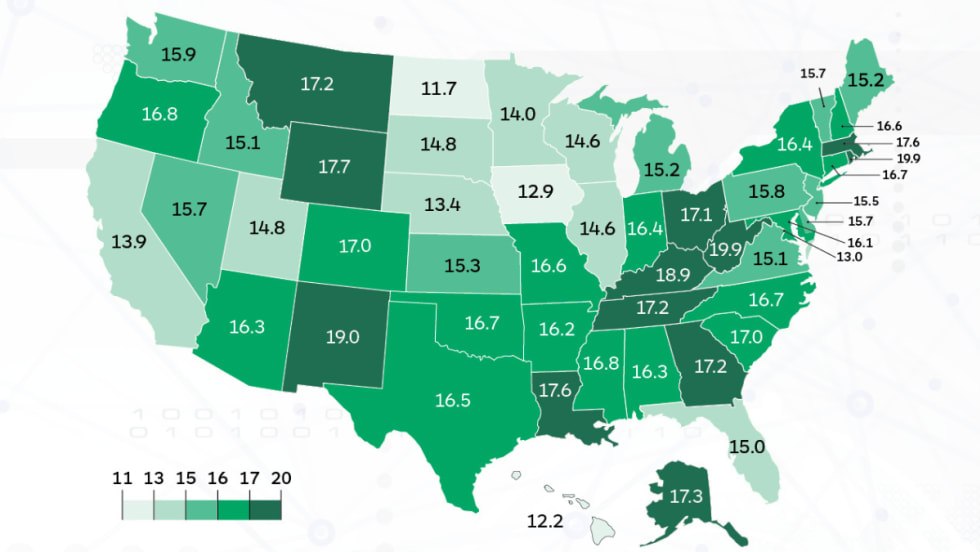
U.S. Collision-Related Rental Length of Rental Declined Modestly in Q4 2025
While LOR continues to decrease from post-pandemic highs, ongoing market and economic conditions could impact future results.
Read More →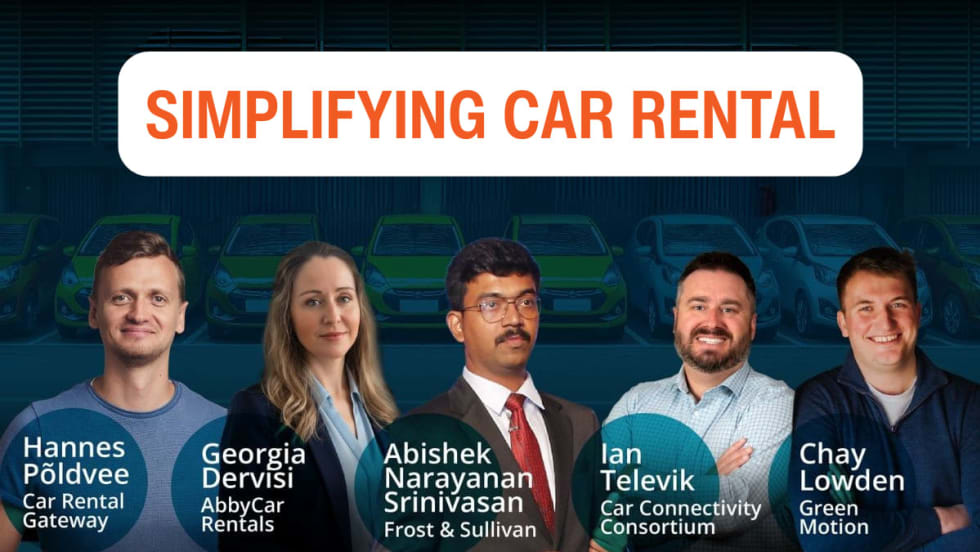
Beyond The Rental Desk: Inside Car Rental’s Push To Simplify
Greater transparency, simplified digital access, and connected fleets will be the key factors in determining who comes out on top over the next 10 years.
Read More →
Tripiamo Brings Certified Driving Confidence Training For Car Renters
Driving abroad is one of the leading causes of death among international travelers, who are not used to new traffic patterns.
Read More →
AI in Car Rental Should Be the Customer’s Advocate, Not Accuser
Opinion/Editorial: What happens when AI randomly overcharges car renters outrageous fees and penalties?
Read More →
TSD Mobility, Canopy Connect Partner to Ease Insurance Verification
The new integration brings streamlined functionality to rental agents and dealerships.
Read More →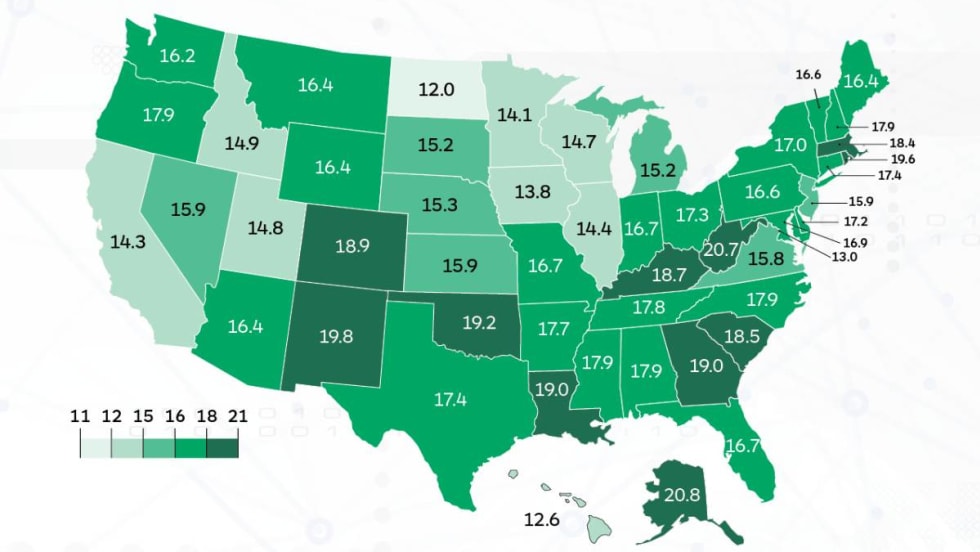
Length of Rental Could Be Finding a New Normal of More Days
The industry may not be returning to the lower LORs of 2019 and 2020 as two years of declining repair shop backlogs appear to flatline.
Read More →
Gallagher Insurance Hires Broker Focused on Rental Car Operations
The former rental fleet executive informs his insurance practices with the everyday realities of managing rented vehicles.
Read More →