


Length of Replacement Rental Increases to 11 Days
According to data gathered by Enterprise Rent-A-Car’s Automated Rental Management System (ARMS), the U.S. average length of replacement rental (LOR) increased to 11 days in the third quarter 2014, up 0.3 days from Q3 last year.
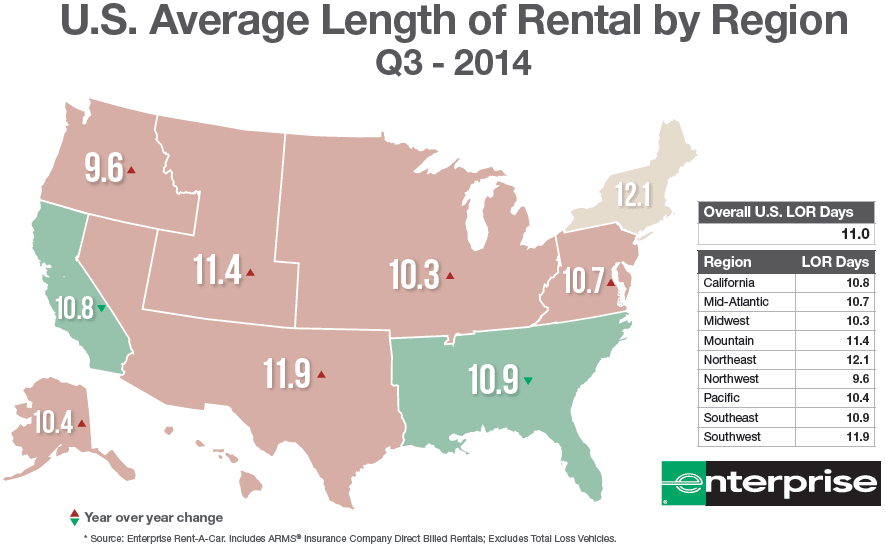
Courtesy of Enterprise Rent-A-Car, includes ARMS insurance company direct billed rentals; excludes total loss vehicles.
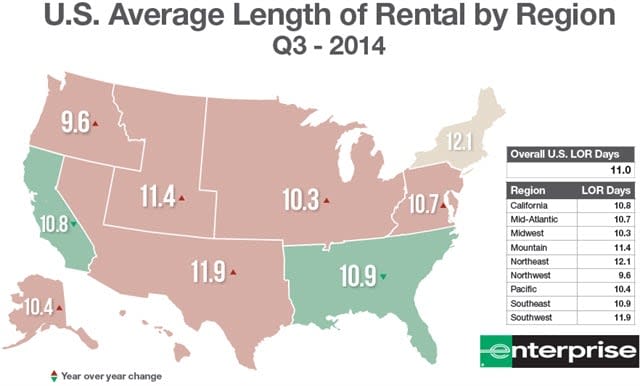
Courtesy of Enterprise Rent-A-Car, includes ARMS insurance company direct billed rentals; excludes total loss vehicles.
The U.S. average length of replacement rental (LOR) increased to 11 days in the third quarter of 2014, a slight increase over the average third quarter LOR for the last five years, according to Enterprise Rent-A-Car.
Data gathered by Enterprise’s Automated Rental Management System (ARMS) tracks the length of time a replacement vehicle is rented to collision center customers and is considered a proxy for vehicle repair time.
“Several factors are likely contributing to the increase in LOR, including increasingly complex vehicles and an overall downward trend in the number of repair centers compared to previous years, as well as major weather events,” said Frank LaViola, Enterprise Rent-A-Car’s assistant vice president of collision industry relations.
While the national average increased to 11 days — up 0.3 days from Q3 last year — not all U.S. regions experienced an increase in their year-over-year LOR, says Enterprise.
Enterprise started sharing length of rental information — at no cost — with collision repair centers five years ago in an effort to highlight below-market-average cycle times as well as provide critical performance data for consistent industrywide comparisons, says the company.
ARMS data helps collision repair centers increase operating efficiencies, enhance customer service and streamline communications with insurance companies and customers, says Enterprise. Repair centers can track, measure and forecast labor needs, as well as generate monthly reports through ARMS.
For more information on Enterprise’s ARMS, visit http://www.armsautosuite.com/.
More Fleet Insurance
Hanging By A Vote: What the Hertz Insurance Ruling Means for Rental Operators
A recent precedent-setting court case points to the precautions and steps a rental fleet operation should take to minimize risk, reduce exposure, and avert legal consequences.
Read More →
Using AI to Create Clarity, Not Conflict, in Rental Car Damage
Rental companies still need people, policy, judgment, and thoughtful implementation, with operators remaining in control of the customer experience.
Read More →
Go Rentals, Repair Provider Partner To Ease Insurance Claims Experience
The arrangement helps reduce the stress of collision repair for vehicle owners by connecting them to reliable, timely rental cars.
Read More →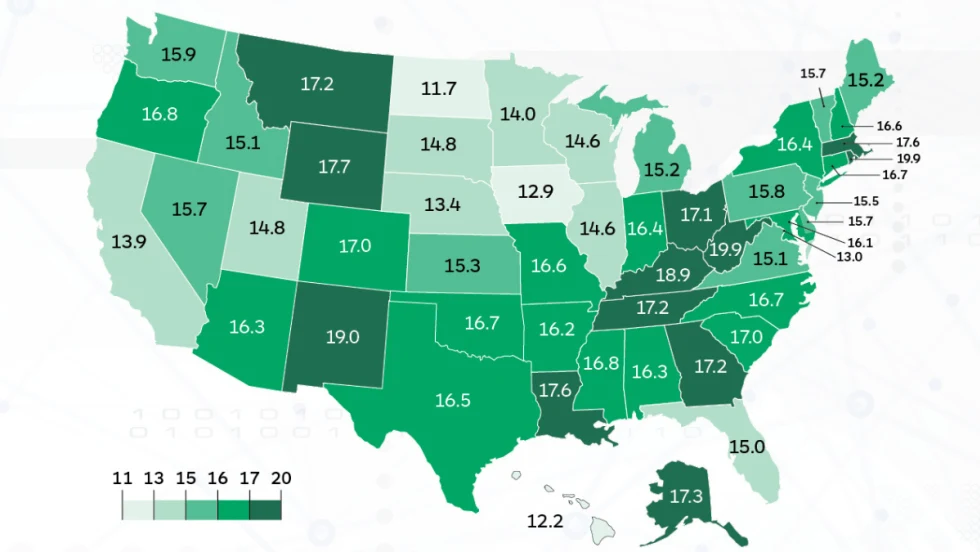
U.S. Collision-Related Rental Length of Rental Declined Modestly in Q4 2025
While LOR continues to decrease from post-pandemic highs, ongoing market and economic conditions could impact future results.
Read More →
Beyond The Rental Desk: Inside Car Rental’s Push To Simplify
Greater transparency, simplified digital access, and connected fleets will be the key factors in determining who comes out on top over the next 10 years.
Read More →
Tripiamo Brings Certified Driving Confidence Training For Car Renters
Driving abroad is one of the leading causes of death among international travelers, who are not used to new traffic patterns.
Read More →
AI in Car Rental Should Be the Customer’s Advocate, Not Accuser
Opinion/Editorial: What happens when AI randomly overcharges car renters outrageous fees and penalties?
Read More →
TSD Mobility, Canopy Connect Partner to Ease Insurance Verification
The new integration brings streamlined functionality to rental agents and dealerships.
Read More →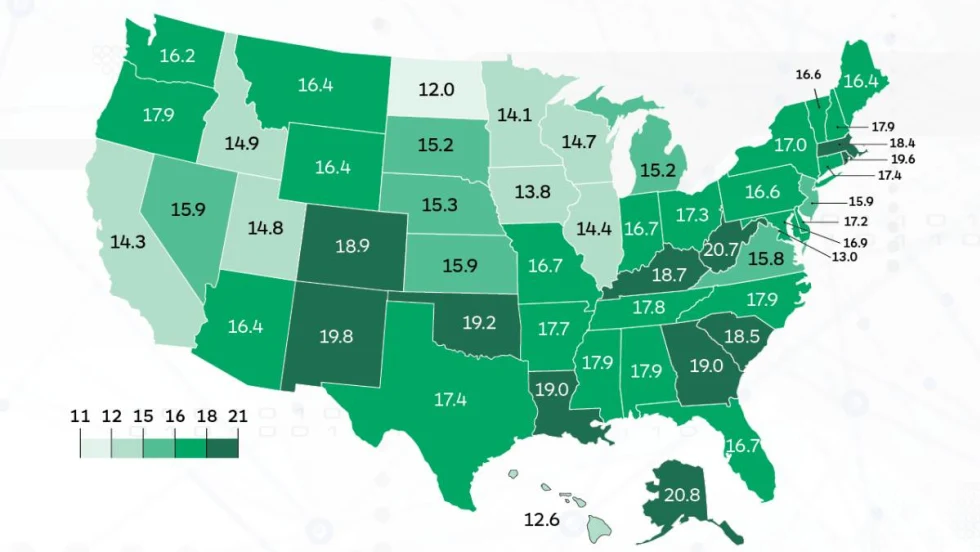
Length of Rental Could Be Finding a New Normal of More Days
The industry may not be returning to the lower LORs of 2019 and 2020 as two years of declining repair shop backlogs appear to flatline.
Read More →
Gallagher Insurance Hires Broker Focused on Rental Car Operations
The former rental fleet executive informs his insurance practices with the everyday realities of managing rented vehicles.
Read More →