




Phoenix Rental Companies Challenge $34M in Taxes
Rental car companies are looking to get a refund of a tax collected by the city of Phoenix.
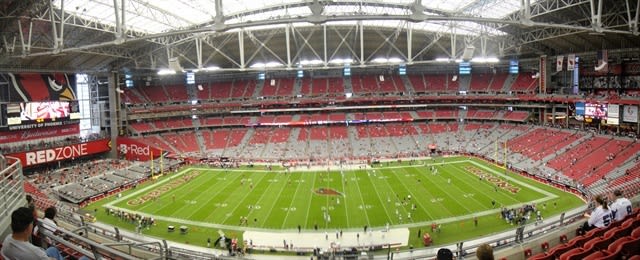
The rental car taxes were helping to make debt payments on the University of Phoenix football stadium. Photo via Wikimedia/Cygunusloop99
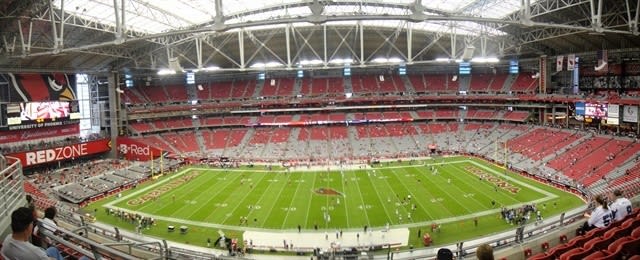
The rental car taxes were helping to make debt payments on the University of Phoenix football stadium. Photo via Wikimedia/Cygunusloop99
Rental car companies are looking to get a refund of a tax collected by the city of Phoenix, according to a report by the Associated Press. These rental companies won a court order for the return of about $150 million in taxes from a fund that pays for the University of Phoenix stadium.
The Arizona Sports and Tourism Authority depends on revenue from the 3.25% rental car tax to make debt payments on the University of Phoenix stadium as well as to promote tourism and pay for Cactus League stadiums.
The rental companies are seeking a refund of money that they have paid in sales taxes over the past four years, according to the report. An Arizona judge ruled that the rental car tax went against a state constitutional provision. Taxes imposed on the use of vehicles — on public streets — are restricted to funding road construction, maintenance, and related purposes.
Three rental companies are involved and paid about $200,000, but the city of Phoenix has collected more than $34 million from its rental car tax since 2012, according to the report.
The claim was filed last week for the companies by attorney Shawn Aiken. The claim could expand into a class-action case, says the report.
Click here for the full Associated Press report.
More Rental Operations

What Does It Take to Succeed in B2B Rentals?
The fundamentals may be familiar to daily car rental operators, but project-based truck rentals put different demands on the fleet and the business.
Read More →
NPR Builds on International Partnerships to Grow Rental Bookings
With Ana Laborde supporting broker development, NPR Auto Group is tailoring distribution strategies, rate packages, and partnerships to grow international reservations across its three brands.
Read More →
Advantage, Sixt Place Among Top Five in Annual Satisfaction Study
While Enterprise and National retain the top spots in JD Power’s 2026 rankings, the latest customer satisfaction results suggest renters can find competitive service beyond the biggest car rental names.
Read More →
The $100,000 Insurance Trap in Exotic Car Rentals
Exotic rental agencies often rely on customers’ personal auto policies to protect six-figure vehicles. But policy language can dramatically change the coverage for vehicles over $100,000 MSRP.
Read More →
The Booking Is Confirmed, But Is Your Customer Ready to Drive?
For international renters, a confirmed reservation doesn’t always mean they’re eligible to drive. Earlier checks can help operators catch documentation and payment issues before the customer reaches the counter.
Read More →
ICRS 2027 Opens Call for Papers
The International Car Rental Show seeks session proposals on the business, operational, and technology issues facing car rental operators. Submissions are due Jan. 15.
Read More →
Turo to Launch Vehicle Delivery Service
Turo Delivered will let travelers search for vehicles that hosts can deliver directly to hotels, homes, airports, train stations, and other locations.
Read More →
Palm Beach Airport Code Change Creates Car Rental Distribution Gap
A test of rental searches under the old PBI and new DJT airport codes returned largely different sets of brands and vehicles, highlighting a potential distribution problem for rental operators.
Read More →
U-Save Continues Dominican Republic Expansion with Launch in Punta Cana
The new franchise location builds on U-Save’s existing Santo Domingo operation and will begin taking reservations for October 2026.
Read More →
When AI Books the Rental Car, Who Controls the Sale?
As AI moves from comparing rental rates to completing transactions, operators need to understand how travelers find, interpret, rank, and ultimately see their offers. (Part 2 of 2.)
Read More →