


French Peer-to-Peer Carsharing Service to Launch at LAX, SFO
With support of PSA Group and MAIF, an insurance company, French-based TravelCar is launching its peer-to-peer carsharing service in the United States at the Los Angeles and San Francisco airports.

TravelCar will launch its peer-to-peer carsharing service at Los Angeles International Airport (LAX). Photo via Wikimedia/Florencio Briones

TravelCar will launch its peer-to-peer carsharing service at Los Angeles International Airport (LAX). Photo via Wikimedia/Florencio Briones
Starting April 1, TravelCar, a French-based carsharing provider, is entering the U.S. market. It will first launch at Los Angeles International Airport and San Francisco International Airport.
This comes after the news that TravelCar finalized a fundraising of 15 million euros from PSA Group and MAIF, a French-based insurance company.
“With PSA Group and MAIF support, TravelCar entering the American market is taking a new step forward in its international growth,” said Ahmed Mhiri, founder and CEO of TravelCar. “Our offer takes care of travelers from their departure, offering them a parking solution, and their arrival with an accessible and eco-responsible mobility solution.”
TravelCar allows users to either rent a private vehicle or rent their own. Car owners who make their vehicle available for rental receive free parking, according to the company.
Owners whose vehicles are rented out are also paid. According to the company, renting a private car through the service is 50% less expensive than traditional rental cars.
Founded in 2012, TravelCar currently has 200 agencies and 300,000 users in 10 European countries.
More Rental Operations
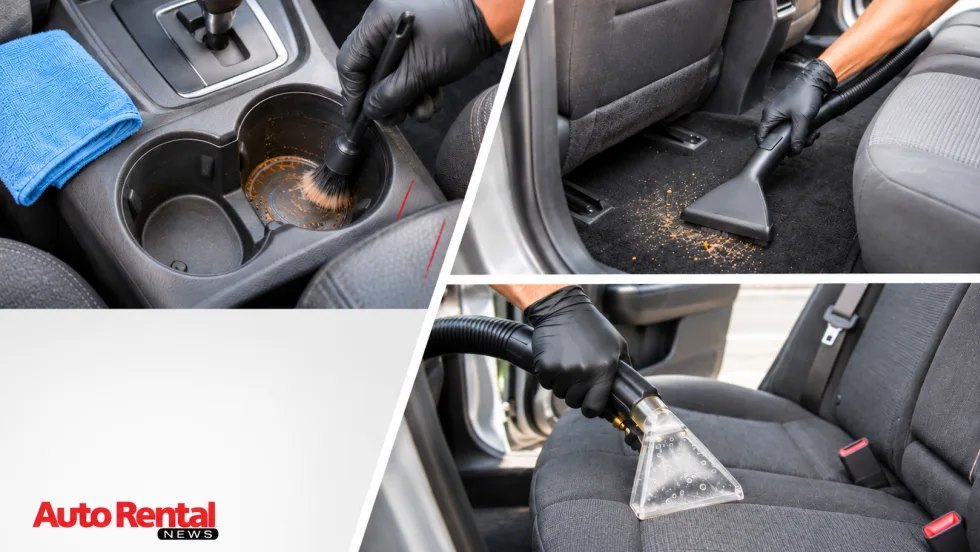
How Better Cleaning Processes Improve Rental Fleet Efficiency
A consistent approach to vehicle cleaning helps rental operators reduce turnaround delays and return vehicles to service without compromising cleanliness.
Read More →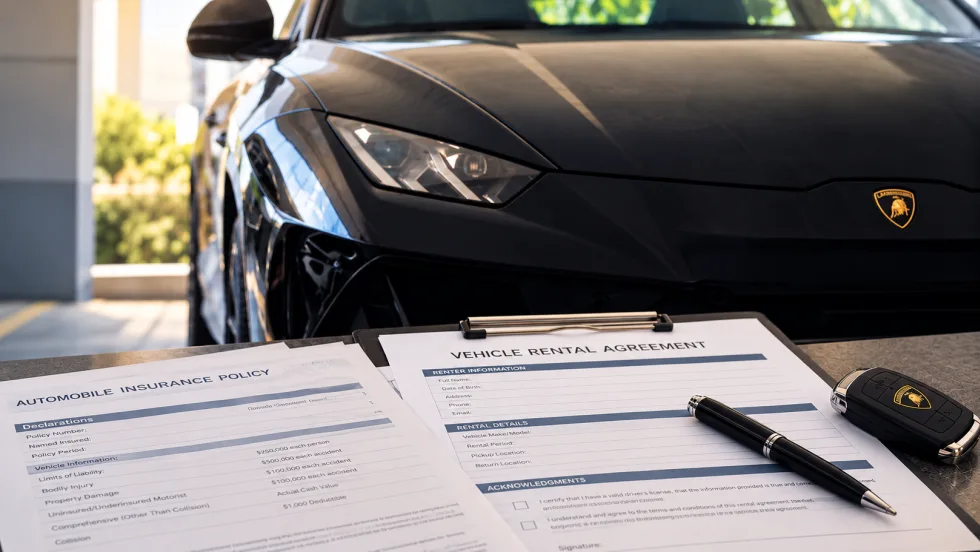
Clean on Paper: Red Flags in Exotic Car Rental Verification
A suspicious $45,000 Lamborghini booking reveals the strengths and limitations of renter verification, from forged insurance documents to coverage gaps and unauthorized drivers. (Part 2 of 3)
Read More →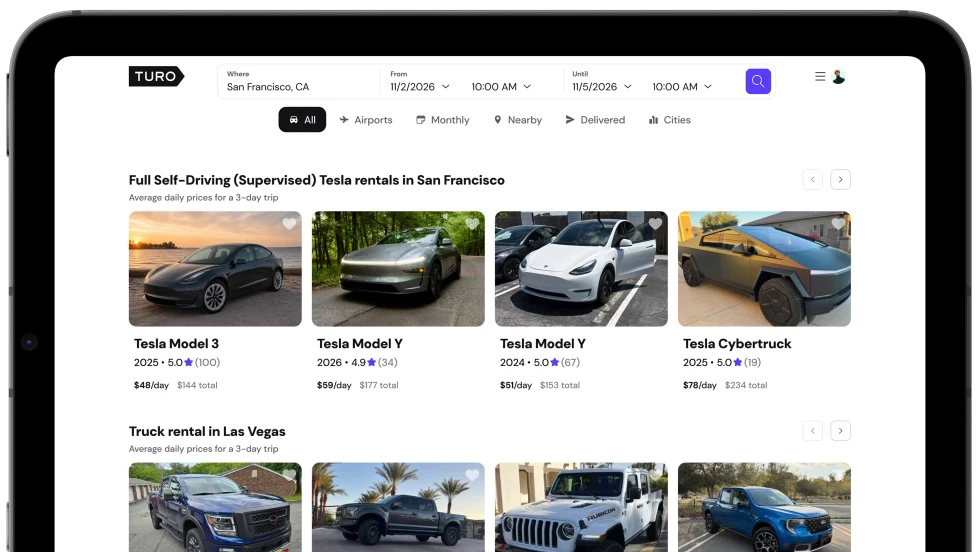
Turo and Tesla Take the Next Step Toward Autonomous Car Rentals
The partnership brings Tesla's Full Self-Driving (Supervised) technology into the rental experience, offering a glimpse of how increasingly automated vehicles could change car rental.
Read More →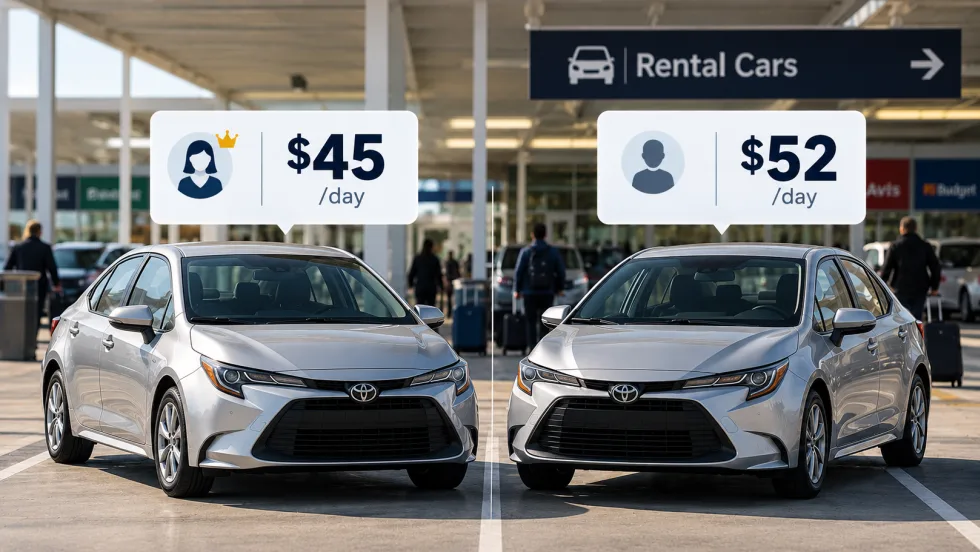
How Rental Operators Can Navigate Personalized Pricing Rules
As regulators scrutinize the use of customer data in pricing, rental operators need to know whether they can explain why one renter pays more than another.
Read More →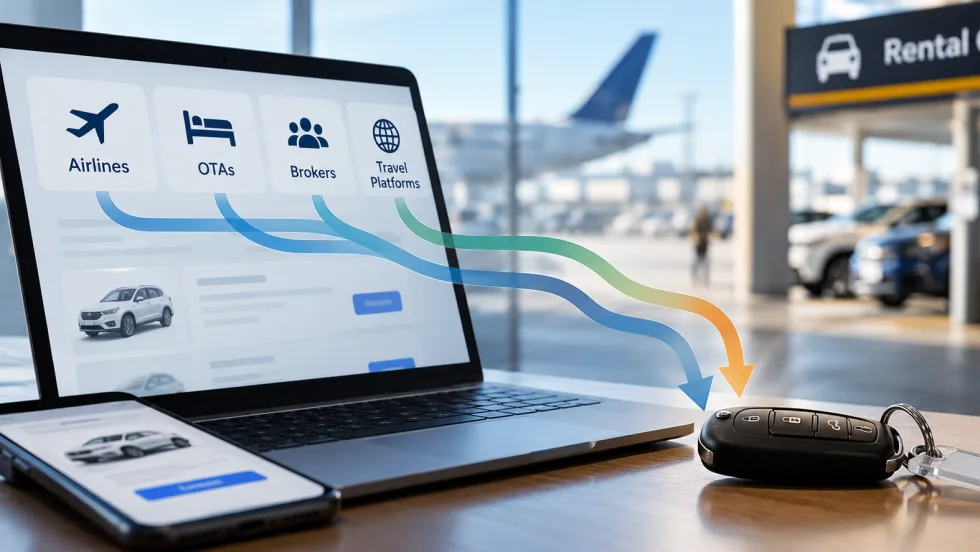
Direct, Broker or Hybrid? How Travel Retailers Source Rental Cars
As travel retailers weigh direct supplier relationships against third-party distribution, rental operators need to understand how those decisions affect their business.
Read More →
How Did This Independent Rental Operator Grow to 170 Vehicles in 4 Years?
With 170 vehicles across three Kentucky locations, Joel Price relies on an overseas team to handle reservations, payments, and after-hours customer service. It's one part of an unconventional approach to growing an independent rental operation.
Read More →
What Does It Take to Succeed in B2B Rentals?
The fundamentals may be familiar to daily car rental operators, but project-based truck rentals put different demands on the fleet and the business.
Read More →
NPR Builds on International Partnerships to Grow Rental Bookings
With Ana Laborde supporting broker development, NPR Auto Group is tailoring distribution strategies, rate packages, and partnerships to grow international reservations across its three brands.
Read More →
Advantage, Sixt Place Among Top Five in Annual Satisfaction Study
While Enterprise and National retain the top spots in JD Power’s 2026 rankings, the latest customer satisfaction results suggest renters can find competitive service beyond the biggest car rental names.
Read More →
The $100,000 Insurance Trap in Exotic Car Rentals
Exotic rental agencies often rely on customers’ personal auto policies to protect six-figure vehicles. But policy language can dramatically change the coverage for vehicles over $100,000 MSRP.
Read More →