


GM Launches Carsharing Service
General Motors has started a new carsharing service called Maven, which will help expand its urban mobility programs.
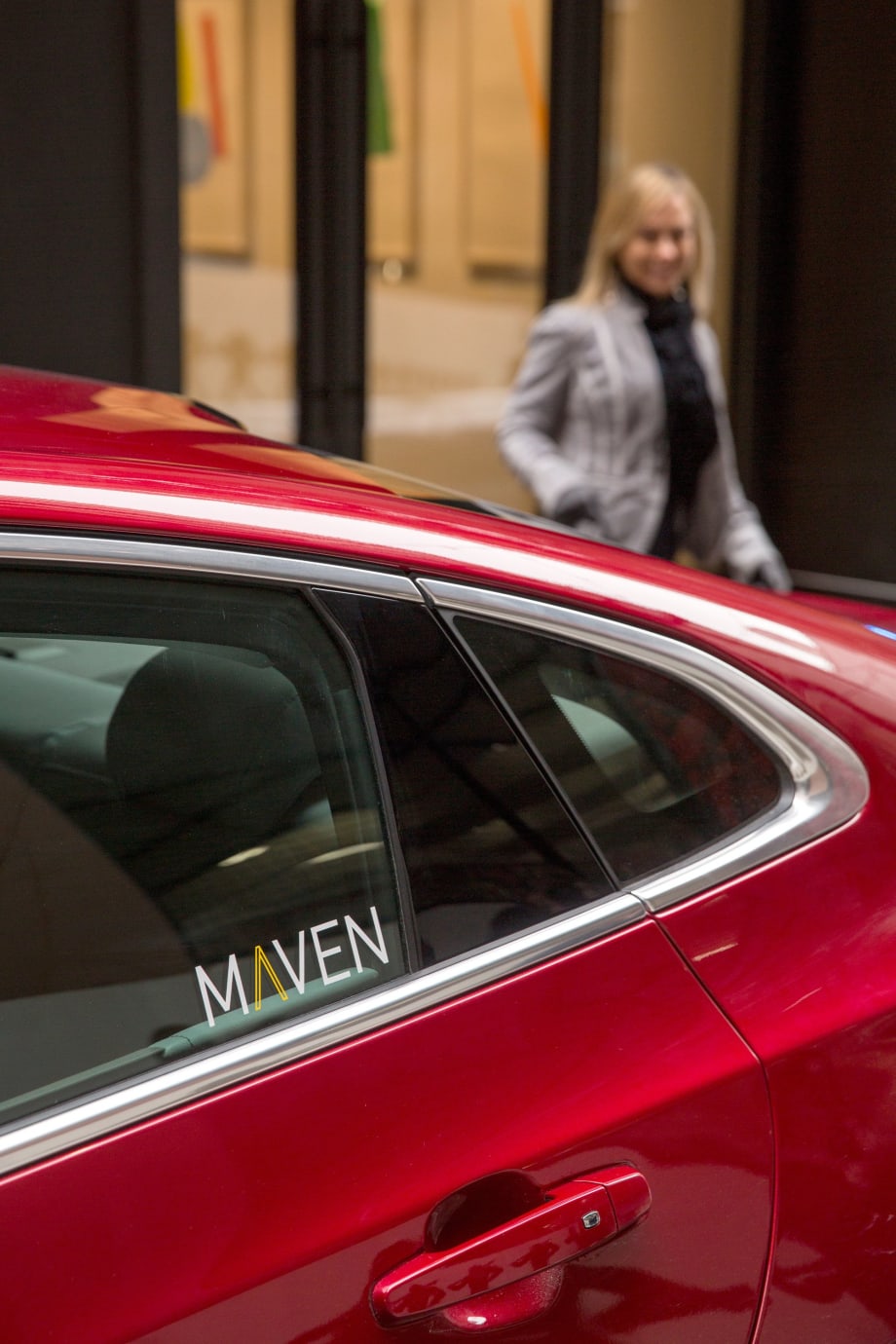
Photo courtesy of General Motors.
Photo courtesy of General Motors.
General Motors has announced its next step in personal mobility by launching a new carsharing service called Maven.
Maven’s mission is to give customers access to on-demand mobility services. The global Maven team includes more than 40 dedicated employees from the connected car technology industry as well as ride- and carsharing professionals from Google, Zipcar and Sidecar, according to GM.
“GM is at the forefront of redefining the future of personal mobility,” said Dan Ammann, president of GM. “With the launch of our carsharing service through Maven, the strategic alliance with ride-sharing company Lyft, and building on our decades of leadership in vehicle connectivity through OnStar, we are uniquely positioned to provide the high level of personalized mobility services our customers expect today and in the future.”
Maven customers will experience smartphone and keyless integration with the vehicle. Customers use its app to search for and reserve a vehicle by location or car type and unlock the vehicle with their smartphone, says GM. The app also enables remote functions such as starting, heating or cooling and more.
Starting this week, Maven is expanding in multiple cities and communities across the U.S., according to GM. Services are customized to regional customer needs and include city, residential, peer-to-peer and campus programs:
City: Maven is offering its carsharing program to more than 100,000 people in Ann Arbor, Mich., initially focusing on serving faculty and students at the University of Michigan. GM vehicles will initially be available at 21 parking spots across the city.
Ann Arbor users will have access to Maven leadership and core team members via the messaging application WhatsApp to share their experiences, ideas and thoughts with the team as they help shape the Maven service.
Additional city-based programs will launch in major U.S. metropolitan areas later this year.
Residential: In the first quarter of 2016, Maven will launch carsharing services for Chicago residents in partnership with Magellan Development Group. Maven is also expanding its existing residential program in New York City (previously called Let’s Drive NYC) with Stonehenge Partners giving users on-demand access to vehicles and preferred parking options.
Peer-to-Peer: Existing global initiatives include peer-to-peer carsharing through the CarUnity market place in Germany. Nearly 10,000 users have signed up in Frankfurt and Berlin since mid-2015.
Campus: Various programs are running on GM campuses in the U.S., Germany and China to refine and test future Maven commercial offerings.
“Maven provides on-demand access, choice and ease of use,” said Julia Steyn, GM vice president, Urban Mobility Programs. “The right vehicle and right mobility service for the right trip at the right time. With more than 25 million customers around the world projected to use some form of shared mobility by 2020, Maven is a key element of our strategy to changing ownership models in the automotive industry.”
For more information, visit www.mavendrive.com.
Originally posted on Automotive Fleet
More Rental Operations
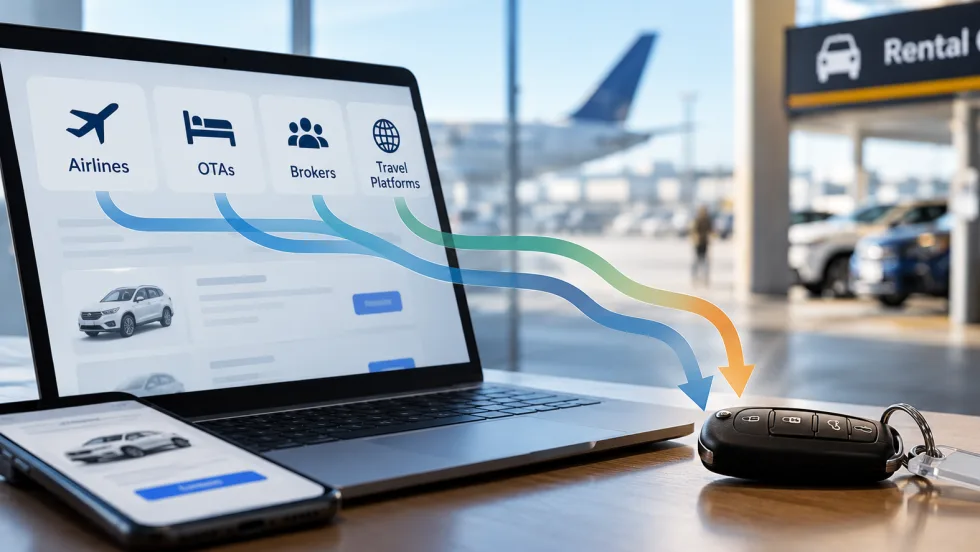
Direct, Broker or Hybrid? How Travel Retailers Source Rental Cars
As travel retailers weigh direct supplier relationships against third-party distribution, rental operators need to understand how those decisions affect their business.
Read More →
How Did This Independent Rental Operator Grow to 170 Vehicles in 4 Years?
With 170 vehicles across three Kentucky locations, Joel Price relies on an overseas team to handle reservations, payments, and after-hours customer service. It's one part of an unconventional approach to growing an independent rental operation.
Read More →
What Does It Take to Succeed in B2B Rentals?
The fundamentals may be familiar to daily car rental operators, but project-based truck rentals put different demands on the fleet and the business.
Read More →
NPR Builds on International Partnerships to Grow Rental Bookings
With Ana Laborde supporting broker development, NPR Auto Group is tailoring distribution strategies, rate packages, and partnerships to grow international reservations across its three brands.
Read More →
Advantage, Sixt Place Among Top Five in Annual Satisfaction Study
While Enterprise and National retain the top spots in JD Power’s 2026 rankings, the latest customer satisfaction results suggest renters can find competitive service beyond the biggest car rental names.
Read More →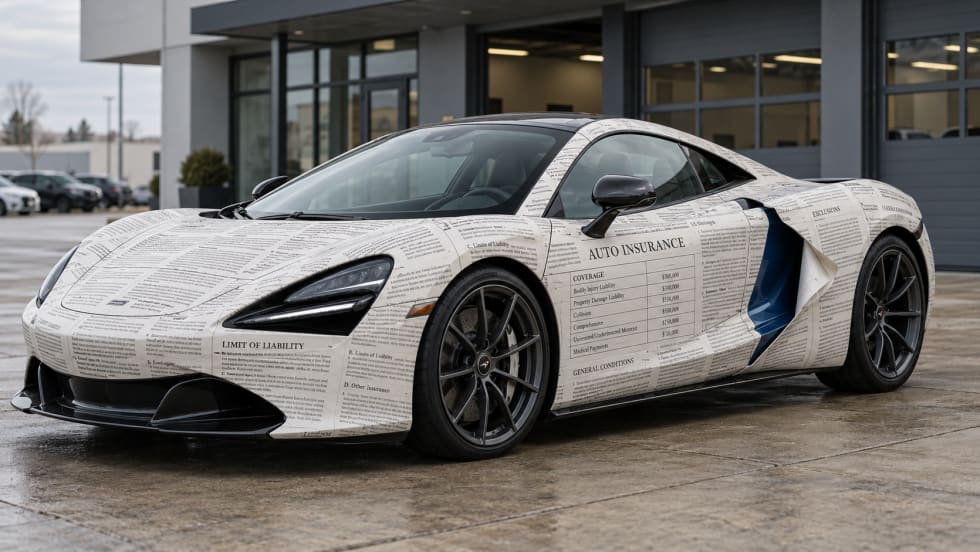
The $100,000 Insurance Trap in Exotic Car Rentals
Exotic rental agencies often rely on customers’ personal auto policies to protect six-figure vehicles. But policy language can dramatically change the coverage for vehicles over $100,000 MSRP.
Read More →
The Booking Is Confirmed, But Is Your Customer Ready to Drive?
For international renters, a confirmed reservation doesn’t always mean they’re eligible to drive. Earlier checks can help operators catch documentation and payment issues before the customer reaches the counter.
Read More →
ICRS 2027 Opens Call for Papers
The International Car Rental Show seeks session proposals on the business, operational, and technology issues facing car rental operators. Submissions are due Jan. 15.
Read More →
Turo to Launch Vehicle Delivery Service
Turo Delivered will let travelers search for vehicles that hosts can deliver directly to hotels, homes, airports, train stations, and other locations.
Read More →
Palm Beach Airport Code Change Creates Car Rental Distribution Gap
A test of rental searches under the old PBI and new DJT airport codes returned largely different sets of brands and vehicles, highlighting a potential distribution problem for rental operators.
Read More →