




Related: Election, Global Uncertainty Contribute to Sluggish Business Travel Spending
Ride-Hailing Now Allowed by 50% of Corporate Travel Policies
Ride-hailing services are now allowed by one-half (50%) of all corporate travel policies, a jump from 44% in June 2016, according to a Global Business Travel Association report.
by Staff
February 1, 2017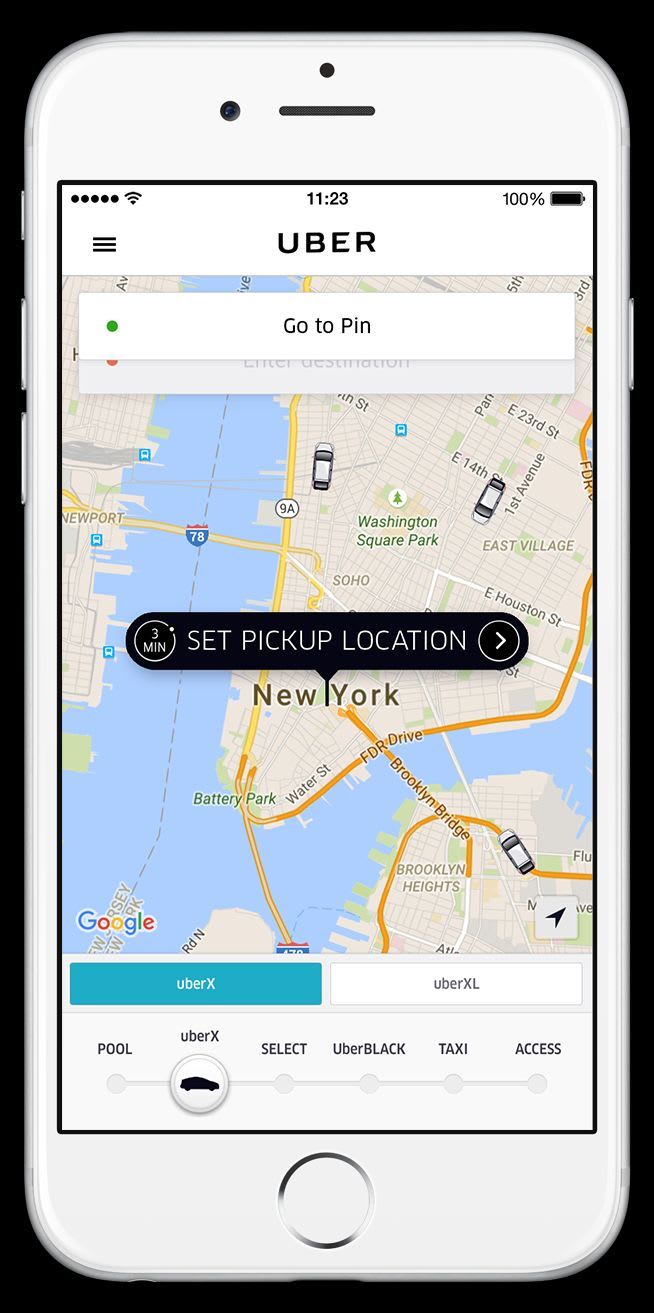
Uber is a ride-hailing service that uses a mobile platform to connects riders with drivers. Photo courtesy of Uber.
3 min to read
Uber is a ride-hailing service that uses a mobile platform to connects riders with drivers. Photo courtesy of Uber.
Ride-hailing services are now allowed by one-half (50%) of all corporate travel policies, a jump from 44% in June 2016, according to the Global Business Travel Association (GBTA) Business Traveler Sentiment Index Global Report – January 2017.
In partnership with American Express, the Index examines business travelers’ feelings about their trip experience and how those feelings affect their behaviors on the road.
As policies expanded to include ride-hailing suppliers, such as Uber and Lyft, ridership among business travelers increased 21%, according to the report. A majority of travelers anticipate using these types of services about the same amount (71%) or more often (18%) in the three months following the survey.
Use of home-sharing services, like Airbnb and HomeAway, also increased 20% from June 2016, despite only 30% of companies allowing this stay option, according to the report. A majority of business travelers expect to stay at home-sharing properties about the same amount (72%) or more often (13%) in the three months following the survey.
“The sharing economy trends that have come to define personal travel are now significantly influencing business travel, as well,” says Susan Chapman Hughes, senior vice president, American Express Global Commercial Payments. “However, nearly one in five travelers are still unsure whether their employer’s policies allow for sharing-economy services; making it especially important for companies to communicate clear details about the services and amenities that their policy covers.”
Business travelers remain dedicated to staying on the road for work. Almost nine out of 10 (88%) say they would prefer to travel the same amount or more in the future, and 64% agree their employers feel business travel is important to their organization’s overall financial performance, according to the report.
“GBTA has said many times that business travel drives lasting business growth,” said Michael W. McCormick, GBTA executive director and COO. “It comes as no surprise that road warriors and their companies see the value in putting travelers on the road to get business done and drive results.”
Other highlights from the report include:
• Strong demand for reliable Wi-Fi continues, with more than three-quarters (77%) of business travelers saying it is vital to stay productive on work trips.
• For the first time in the history of this survey, more than one-half (54%) of all business travelers say they use social media sites at least once a day. Fifty percent believe social media improves their ability to find travel supplier reviews and almost the same amount (46%) say social sites improve their ability to reach colleagues or business contacts.
• Though still in the minority, the amount of business travelers using mobile wallets tied to corporate cards increased to 14% from 12% in June 2016.
The GBTA Foundation conducted this online survey of 3,220 business travelers between Sept. 6 and Sept. 26, 2016. The travelers are employed full- or part-time, have taken at least four business trips in the previous 12 months, and reside in Australia, Canada, Germany, Hong Kong, Japan, Mexico, the U.K., and the U.S.
More Rental Operations

How Did This Independent Rental Operator Grow to 170 Vehicles in 4 Years?
With 170 vehicles across three Kentucky locations, Joel Price relies on an overseas team to handle reservations, payments, and after-hours customer service. It's one part of an unconventional approach to growing an independent rental operation.
Read More →
What Does It Take to Succeed in B2B Rentals?
The fundamentals may be familiar to daily car rental operators, but project-based truck rentals put different demands on the fleet and the business.
Read More →
NPR Builds on International Partnerships to Grow Rental Bookings
With Ana Laborde supporting broker development, NPR Auto Group is tailoring distribution strategies, rate packages, and partnerships to grow international reservations across its three brands.
Read More →
Advantage, Sixt Place Among Top Five in Annual Satisfaction Study
While Enterprise and National retain the top spots in JD Power’s 2026 rankings, the latest customer satisfaction results suggest renters can find competitive service beyond the biggest car rental names.
Read More →
The $100,000 Insurance Trap in Exotic Car Rentals
Exotic rental agencies often rely on customers’ personal auto policies to protect six-figure vehicles. But policy language can dramatically change the coverage for vehicles over $100,000 MSRP.
Read More →
The Booking Is Confirmed, But Is Your Customer Ready to Drive?
For international renters, a confirmed reservation doesn’t always mean they’re eligible to drive. Earlier checks can help operators catch documentation and payment issues before the customer reaches the counter.
Read More →
ICRS 2027 Opens Call for Papers
The International Car Rental Show seeks session proposals on the business, operational, and technology issues facing car rental operators. Submissions are due Jan. 15.
Read More →
Turo to Launch Vehicle Delivery Service
Turo Delivered will let travelers search for vehicles that hosts can deliver directly to hotels, homes, airports, train stations, and other locations.
Read More →
Palm Beach Airport Code Change Creates Car Rental Distribution Gap
A test of rental searches under the old PBI and new DJT airport codes returned largely different sets of brands and vehicles, highlighting a potential distribution problem for rental operators.
Read More →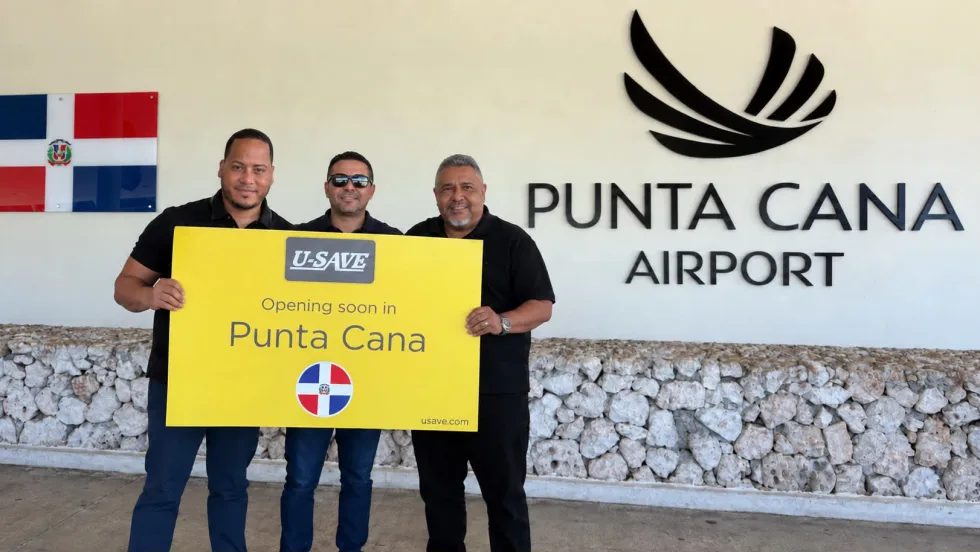
U-Save Continues Dominican Republic Expansion with Launch in Punta Cana
The new franchise location builds on U-Save’s existing Santo Domingo operation and will begin taking reservations for October 2026.
Read More →