




Unlimited Miles or Mileage Caps
To answer this question you must decide: Are you in the used-car business and happen to rent cars, or are you in a rental business that happens to sell cars?


Many factors affect your rental rates, and one major sticking point is miles. The age-old debate about unlimited miles or limited miles is still going on today.
I cannot tell you how many times I hear, "I just cannot compete with unlimited miles." My response is why do you care how many miles get put on your car? I get a lot of interesting answers. "If I rent a car with unlimited miles, the customer can go anywhere he wants." I have also heard, "with unlimited miles the guy could drive the wheels off it!"
I think back to advice I got from a friend some years ago. "If the wheels ain't turnin', you ain't earnin'!" That good old boy was right. The rental car sitting on the lot is not making any money. If you turn away a rental because you do not want many miles put on your car, you might be making a decision that can keep you from profitability.
What Business Are You In?
In light of all that, let's look at some facts. According to a recent Auto Rental News survey, the average risk car was held in inventory for 20 months and was sold with 51,550 miles on it, or 2,577 miles a month. Assuming the car is on rent 25 days a month, the car is driven about 100 miles per day.
Many operators are renting their cars at a rate that includes 150 miles free and a charge for each mile after. Could they make that same rental for a couple dollars more and quote unlimited miles? Imagine if those operators quoted $35 per day with 150 miles free or $37 with no mileage charge. Which one would your customer choose?
So, how do you get to that point without freaking out every time you rent a car?
The first thing to decide is what business you're in. Are you in the used-car business and happen to rent cars, or are you in a rental business that happens to sell cars?
The difference lies in how the operator looks at his vehicles. Are they inventory to rent, with a profit made on the sale, or are they equipment with a fixed cost designed to generate a profit from the rentals themselves?
The Used-Car-Focused Operator
Let's start with the operator who considers himself to be in the used-car business and happens to rent cars. This operator has a rough idea of what his rental vehicles are worth at any given time.
The used-car-focused operator usually sets up distance limits to keep mileage down on his fleet. He creates a rate with a limited number of free miles per day and a charge on miles over the allowance.
There are two immediate results that affect his revenue:
● Many customers will not book a rental that has a mileage charge. Even though they may get 150 miles a day free, which could be more miles than they really need, it is one more thing they have to be cautious of in the rental. If they want to take the rental on a long trip they will simply continue to shop. This could cause a lost rental.
● The used-car-focused operator asks up front where the renter is going. If the renter is traveling a long distance, he turns him away because, "We do not allow our cars to go that far." This is another lost rental.
By keeping miles and wear and tear down on the car, the used-car operator hopes to keep the car longer and sell it for more money.
Usually the used-car-focused operator does not have a set value or a specific time to dispose of the car (an exit strategy). This operator is not flying by the seat of his pants; rather he is monitoring the condition of the vehicles and comparing them to the current market. This operator looks at his fleet as inventory that is always ready for sale.
[PAGEBREAK]
The Rental-Focused Operator
The rental-focused operator sets the value of her vehicles and a specific date at which to dispose of them. This operator knows how many miles and in what condition her rental vehicles will be in at the time of disposition.
This operator calculates the actual cost per month based on purchase price minus sale at disposal. This gives the operator a fixed monthly depreciation expense for each vehicle as a starting point and an ending point (or exit strategy) on each car.
Her management team knows the miles on each vehicle against what it should have at any given time. The rental-focused operator looks at her fleet as equipment rather than inventory. Rental vehicles are simply a tool to generate income.
When a rental comes across the counter and is going a long distance in a short period of time, it becomes a management function to rent the vehicle with the lowest miles against the forecasted miles.
This enables the operator to manage her business by looking at revenue objectives. The management of the fleet allows the operator to then make more rentals with unlimited miles knowing how the fleet stacks up against the forecast.
The rental-focused operator who sells cars has her exit strategy planned out. She knows what she must sell the car for and when. This type of operator utilizes buyback programs when she can, because her exit strategy is planned out for her.
Each of these schools of thought has a place in the industry. Now you may be able to see how some operations run unlimited miles and some do not.
Use the Guidebooks
OK, some of you in the back are grumbling:
"There is no way the rental-focused operator can know what her car is worth in 24 months."
You are right, but you can use auto residual guides such as the National Automobile Dealers Association, Kelley Blue Book and Black Book to project value.
Let's say the rental-focused operator buys a 2010 Chevrolet Cobalt LS for $16,000.
The rental-focused operator looks up the wholesale value for the same model, only two years older, in average condition and 60,000 miles. That is 9,000 miles more than the average from the ARN survey.
The current book value of a 60,000-mile 2008 Cobalt in good condition is about $4,900. The Cobalt depreciates about $462 per month. This Cobalt can accumulate 2,500 miles per month, yet not affect the residual value.
An Exit Strategy
OK, so those of you in the back:
You are right; it is only a guess, but it is an educated guess. No matter what sources she uses, they give her an exit strategy for each car, and this method includes miles. She now has a handle on the value of her fleet and how many miles the vehicles must have on them at any given time.
So, which method is better?
The point is not to establish that one method is better than the other. It is about defining which operator you are and how you establish your rates.
Jim Schalberg spent 16 years in the rental industry as an owner/operator. He now serves as the owner of Jim Schalberg Auto Rental Training.
More Rental Operations

Green Motion And U-Save Open Rental Operations In Guatemala
The brands will open their first rental car outlets in the country at La Aurora International Airport in Guatemala City.
Read More →
U.S. Business Travel Drives $623 Billion+ in Economic Impact as Spending Reaches $538 Billion
The data also underscores the industry’s strong multiplier effect across the U.S. economy, revealing that each dollar invested in business travel in 2024 generated $1.16 in GDP.
Read More →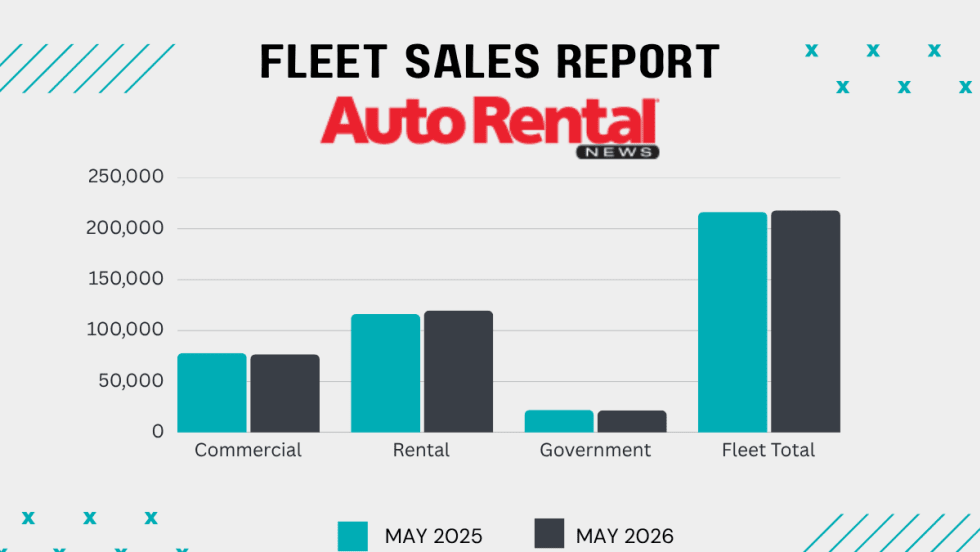
Rental Fleet Sales Skating Just Above 2025 Levels
The U.S. economy's continued growth and positive business investment are creating a favorable environment for fleet vehicle demand.
Read More →
Grow Your Rental Business Beyond Cars
Rental fleet operations are facing numerous evolving challenges and opportunities from AI technology to rate and revenue management, to customer service and business growth.
Read More →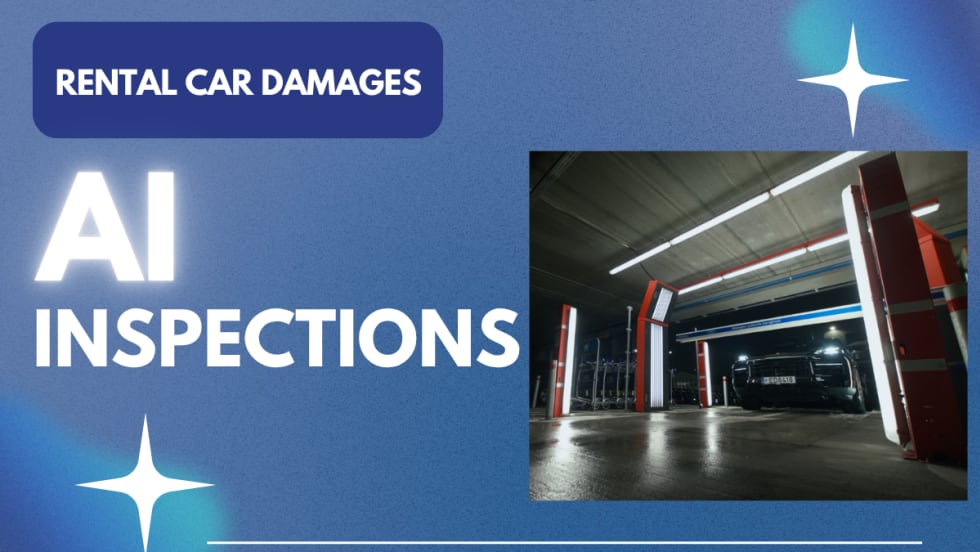
Using AI to Create Clarity, Not Conflict, in Rental Car Damage
Rental companies still need people, policy, judgment, and thoughtful implementation, with operators remaining in control of the customer experience.
Read More →
Get Ready To Roll: No Stopping Self-Driving Rental Cars
The autonomous mobility technology revolution will move at its own pace, but sooner rather than later.
Read More →
Southwest Airlines Selects CarTrawler For Its Car Rental Booking Platform
The platform is designed to allow customers to compare and book rental vehicles more easily during the travel booking process.
Read More →
Cross-Pressures, Evolving Trends Drive 2026 Rental Car Industry
A combination of cautious economic behavior, shifts in the rental vehicle market, and technological influences are shaping car rental operator decisions.
Read More →
Government Affairs Executive Wins Leading Rental Car Industry Award
Robert Muhs started in the car rental industry with Avis Budget Group two years before the first International Car Rental Show.
Read More →
Green Motion Expands Its African Presence with Mozambique Launch
This new rental car outlet reflects the growing demand for reliable transportation and the emphasis on sustainable travel across the continent.
Read More →