




Writing the Severance Agreement
The EEOC is actively challenging severance agreements that contain retaliatory language. Know the rules to stay out of legal trouble.

For years, employers have used severance agreements when discharging employees. These agreements typically benefit both the employer and the soon-to-be ex-employee. The employer gets extra protection, such as the employee’s agreement not to file a lawsuit or a claim with a government agency, and often the employee gets a better severance package, perhaps some additional pay or health care coverage.
However, these severance agreements have been challenged in recent court cases, particularly agreements that require employees to waive their right to file an administrative charge with the Equal Employment Opportunity Commission (EEOC) or other government agency. Some courts have found that such agreements are not binding on employees and, even worse, can be considered retaliatory. The EEOC, in particular, has been actively challenging some of these agreements.
Illegal and Retaliatory Language
In August 2006, a Maryland federal district court found language in a settlement agreement provision was illegal and retaliatory. In this case, EEOC v. Lockheed Martin Corp., an employee who later filed an EEOC charge was offered severance benefits in exchange for signing the release. This case has drawn particular attention because the language of the agreement is similar, if not identical, to language that the EEOC had previously communicated to be acceptable.
The EEOC took on another common provision in EEOC v. Ventura Foods, LLC. In this Minnesota case, the employee had been terminated and asked to sign a severance agreement and general release in order to get “enhanced severance benefits.” According to a clause in the contract, the employee verified he had not filed any claims and promised to never file or prosecute a charge based on claims. The employee signed the agreement but ended up filing an age discrimination claim anyway. While the EEOC decided there was no evidence of age discrimination, it did file suit to remove the clause; the case settled after the company removed it while denying that it presented a violation of the employee’s rights.
In another recent case, EEOC v. SunDance Rehabilitation Corp., an employee lost her job as part of a reduction in force. The company did not have a severance policy, and the employee was asked to sign a broad release. The employee, believing she was a victim of sex discrimination, didn’t sign and filed a charge with the EEOC. The EEOC ruled she did not have a case for discrimination but decided that the language in the release—which required agreeing not to file suit as a condition for benefits—was retaliatory and thus invalid. The district court ruled for the EEOC, but, on appeal, the Sixth Circuit rejected the EEOC’s position.
While there is still not complete clarity in how far the courts will let the EEOC go, it is clear that the agency is looking for opportunities to limit severance agreements as a tool to protect employers from future claims, especially where the agreements preclude the filing of an administrative charge with a state or federal agency.
The EEOC handled more discrimination claims against private sector employers in 2006, the first increase since 2002. “The commission continues to work closely with our stakeholders to implement new strategies to stop discrimination before it starts,” said EEOC chair Naomi C. Earp. “We are striking a vital balance between outreach and education on one hand, and enforcement and litigation on the other.”
[PAGEBREAK] Review Your Agreement
In light of the recent cases, employers should take a careful look at their severance agreements. In the current litigation environment, it would be wise to have legal counsel review them to be sure that the following elements are addressed:
• Clean up boilerplate contracts.
Many of these agreements have been used for years without being updated, and the “boilerplate” language may now be inappropriate or unlawful (or viewed that way by the EEOC). If your standard agreement was written a few years ago, it may already include provisions preventing terminated employees from making claims before the EEOC.
In addition, be careful about adding specific clauses that contradict the unchanging boilerplate language. A new clause that refers to an existing agreement—such as a nondisclosure agreement—may not hold up if the same agreement also includes boilerplate language that “this agreement is the only agreement between the two parties and supersedes all others.”
• Make sure agreements are easy to comprehend.
The EEOC takes a dim view of agreements that are difficult for typical employees to understand. Make sure the language in the severance agreement is clear, straightforward and not full of legalese. This is especially important if there is a potential for an age discrimination claim, as the Older Workers Benefit Protection Act includes a specific provision that a release must be written so that the average employee can easily understand it.
For example, try not to use confusing language; rather, the agreement should read clearly, like this: “Should the Employee breach this agreement, the Company will no longer be obligated by it and may make claims against the Employee to recover benefits already paid.”
• Include a disclaimer.
While language limiting an employee’s right to file a lawsuit or collect monetary damages is usually acceptable, be much more careful with limits on the right to file claims with regulatory bodies such as the EEOC. Be sure to add in an explicit disclaimer that the severance agreement is not intended to limit an employee’s right to file a claim or participate in an investigation with the EEOC or other government agency and that what is being waived is the right to file a lawsuit or collect money damages.
Richard D. Alaniz is senior partner at Alaniz and Schraeder, a national labor and employment firm based in Houston. He has been at the forefront of labor and employment law for more than 30 years, including stints with the U.S. Department of Labor and the National Labor Relations Board. Questions about this article can be addressed to Rick at (281) 833-2200 or ralaniz@alaniz-schraeder.com.
More Rental Operations

Green Motion And U-Save Open Rental Operations In Guatemala
The brands will open their first rental car outlets in the country at La Aurora International Airport in Guatemala City.
Read More →
U.S. Business Travel Drives $623 Billion+ in Economic Impact as Spending Reaches $538 Billion
The data also underscores the industry’s strong multiplier effect across the U.S. economy, revealing that each dollar invested in business travel in 2024 generated $1.16 in GDP.
Read More →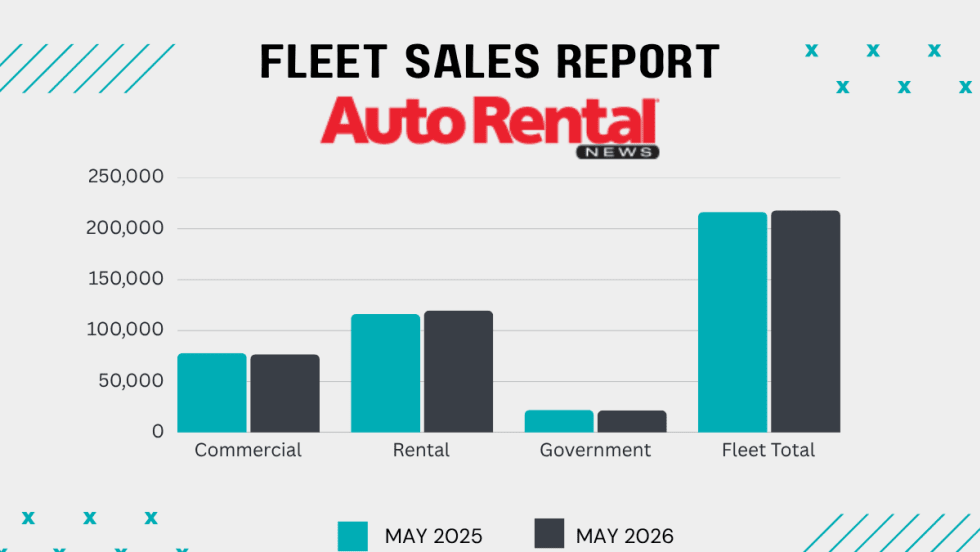
Rental Fleet Sales Skating Just Above 2025 Levels
The U.S. economy's continued growth and positive business investment are creating a favorable environment for fleet vehicle demand.
Read More →
Grow Your Rental Business Beyond Cars
Rental fleet operations are facing numerous evolving challenges and opportunities from AI technology to rate and revenue management, to customer service and business growth.
Read More →
Using AI to Create Clarity, Not Conflict, in Rental Car Damage
Rental companies still need people, policy, judgment, and thoughtful implementation, with operators remaining in control of the customer experience.
Read More →
Get Ready To Roll: No Stopping Self-Driving Rental Cars
The autonomous mobility technology revolution will move at its own pace, but sooner rather than later.
Read More →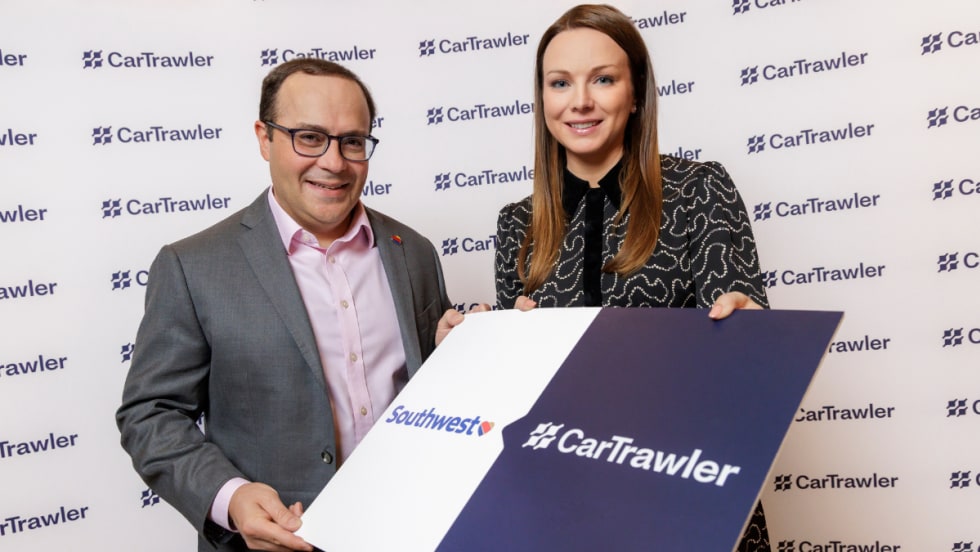
Southwest Airlines Selects CarTrawler For Its Car Rental Booking Platform
The platform is designed to allow customers to compare and book rental vehicles more easily during the travel booking process.
Read More →
Cross-Pressures, Evolving Trends Drive 2026 Rental Car Industry
A combination of cautious economic behavior, shifts in the rental vehicle market, and technological influences are shaping car rental operator decisions.
Read More →
Government Affairs Executive Wins Leading Rental Car Industry Award
Robert Muhs started in the car rental industry with Avis Budget Group two years before the first International Car Rental Show.
Read More →
Green Motion Expands Its African Presence with Mozambique Launch
This new rental car outlet reflects the growing demand for reliable transportation and the emphasis on sustainable travel across the continent.
Read More →