




DOT Finds No Electronic Flaws in Toyotas Cause Unintended Acceleration
WASHINGTON - A 10-month study by the U.S. DOT did not find any electronic system flaws in Toyota vehicles capable of producing unintended acceleration incidents.
WASHINGTON - A 10-month study by the U.S. Department of Transportation did not find any electronic system flaws in Toyota vehicles capable of producing the large throttle openings required to create dangerous high-speed unintended acceleration incidents, according to the National Highway Traffic Safety Administration (NHTSA).
“We enlisted the best and brightest engineers to study Toyota’s electronics systems, and the verdict is in. There is no electronic-based cause for unintended high-speed acceleration in Toyotas," said U.S. Transportation Secretary Ray LaHood.
NHTSA launched the investigation and conducted the study at the request of Congress and enlisted NASA engineers to find out whether any issues with the electronics in Toyota vehicles played a role.
"NASA found no evidence that a malfunction in electronics caused large unintended accelerations," said Michael Kirsch, Principal Engineer at the NASA Engineering and Safety Center (NESC).
NHTSA stated that the two mechanical safety defects identified by the organization previously, specifically “sticking” accelerator pedals and a design flaw that enabled accelerator pedals to become trapped by floor mats, remain the only known causes for unintended acceleration incidents.
Toyota's Chief Quality Officer for North America Steve St. Angelo responded to the study's findings.
“Toyota welcomes the findings of NASA and NHTSA regarding our Electronic Throttle Control System with intelligence (ETCS-i) and we appreciate the thoroughness of their review,” St. Angelo said. “We believe this rigorous scientific analysis by some of America's foremost engineers should further reinforce confidence in the safety of Toyota and Lexus vehicles. We hope this important study will help put to rest unsupported speculation about Toyota's ETCS-i, which is well-designed and well-tested to ensure that a real world, un-commanded acceleration of the vehicle cannot occur.
“We will continue to develop and equip Toyota and Lexus vehicles with industry-leading safety technologies, including many based on breakthroughs in sophisticated electronics systems. We will also continue to cooperate fully with NHTSA and respected outside experts in order to help ensure that our customers have the utmost confidence in the safety and reliability of our vehicles. Everyone at Toyota – all 30,000 of our team members in the United States and the many thousands of Americans at our dealers and suppliers across the country – is focused on listening to our customers and constantly improving our products and service.”
Although NHTSA and NASA engineers did not identify any electronic cause of dangerous unintended acceleration incidents in Toyota vehicles, or any new mechanical causes beyond sticking pedals and accelerator pedal entrapment, NHTSA is considering several actions:
Propose rules, by the end of 2011, to require brake override systems, to standardize operation of keyless ignition systems, and to require the installation of event data recorders in all passenger vehicles;
Begin broad research on the reliability and security of electronic control systems;
Research the placement and design of accelerator and brake pedals, as well as driver usage of pedals, to determine whether design and placement can be improved to reduce pedal misapplication.
NHTSA said that based on objective event data recorder (EDR) readings and crash investigations conducted as part of NHTSA’s report, the organization is researching the placement and design of accelerator and brake pedals to potentially reduce pedal missaplication. NHTSA’s forthcoming rulemaking that will require brake override systems in all passenger vehicles is designed to ensure that braking takes precedence over accelerator pedal application in emergency situations.
In 2009 and 2010, Toyota recalled nearly 8 million vehicles as part of the recalls related to sticking pedals and pedal entrapment. The automaker paid $48.8 million in civil penalties as a result of the NHTSA investigations.
Originally posted on Work Truck Online
More Rental Operations

DriveItAway, Free2move Plan Shared Fleet Program for Independent Rental Fleet Operators
Vehicles would be placed with participating rental operations to support car renter demand and provide additional fleet capacity.
Read More →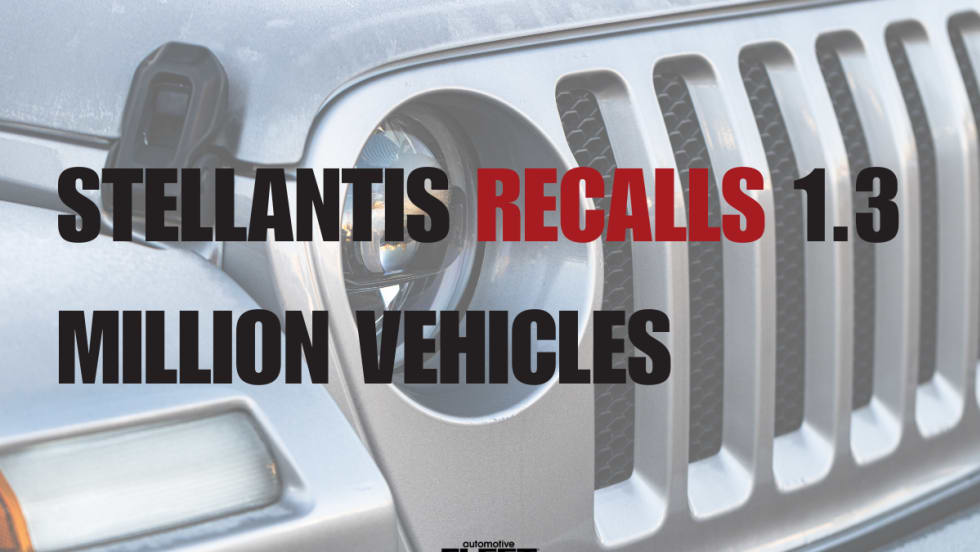
Stellantis Recalls 1.3 Million Jeep Vehicles Worldwide Over Fire Risk
Stellantis is recalling more than 1.3 million Jeep Wrangler and Gladiator models worldwide over a fire risk linked to power steering pump wiring.
Read More →
Green Motion And U-Save Open Rental Operations In Guatemala
The brands will open their first rental car outlets in the country at La Aurora International Airport in Guatemala City.
Read More →
U.S. Business Travel Drives $623 Billion+ in Economic Impact as Spending Reaches $538 Billion
The data also underscores the industry’s strong multiplier effect across the U.S. economy, revealing that each dollar invested in business travel in 2024 generated $1.16 in GDP.
Read More →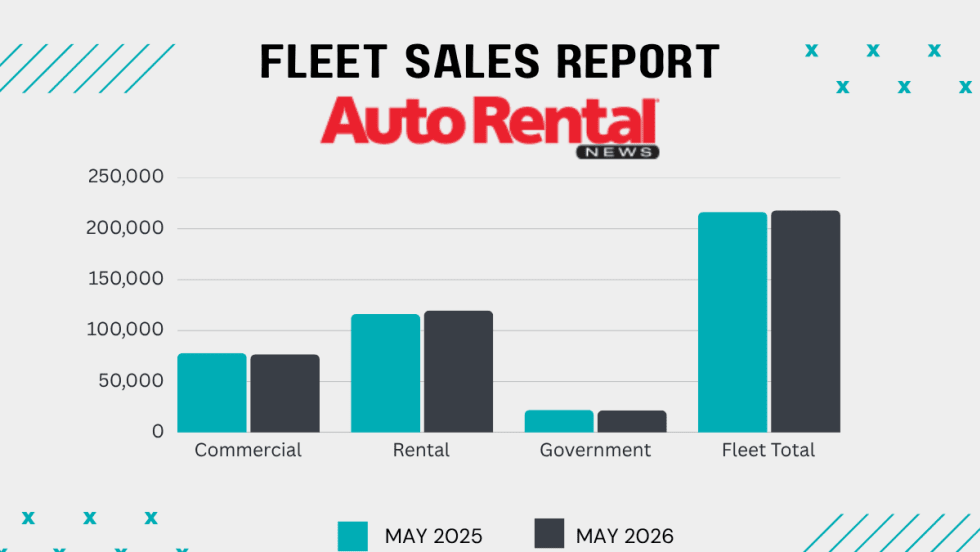
Rental Fleet Sales Skating Just Above 2025 Levels
The U.S. economy's continued growth and positive business investment are creating a favorable environment for fleet vehicle demand.
Read More →
Grow Your Rental Business Beyond Cars
Rental fleet operations are facing numerous evolving challenges and opportunities from AI technology to rate and revenue management, to customer service and business growth.
Read More →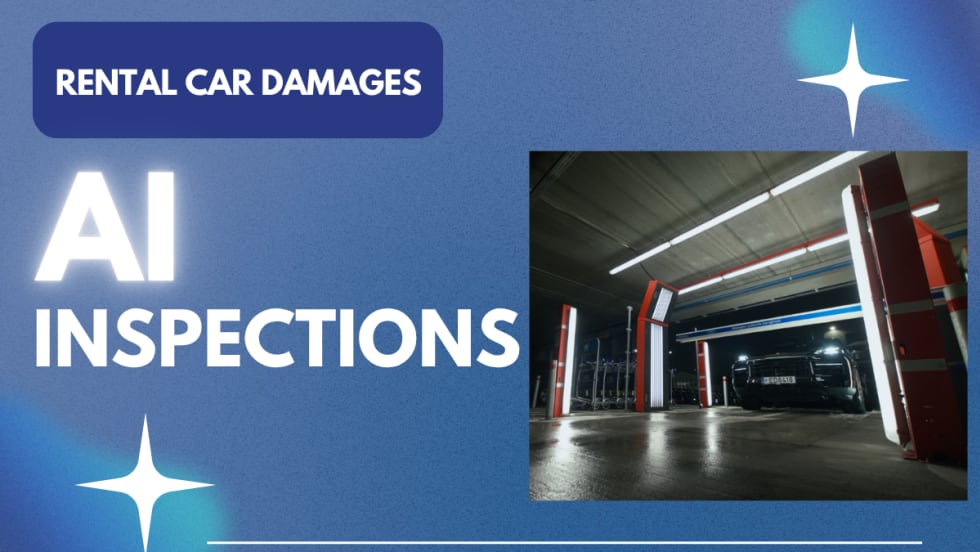
Using AI to Create Clarity, Not Conflict, in Rental Car Damage
Rental companies still need people, policy, judgment, and thoughtful implementation, with operators remaining in control of the customer experience.
Read More →
Get Ready To Roll: No Stopping Self-Driving Rental Cars
The autonomous mobility technology revolution will move at its own pace, but sooner rather than later.
Read More →
Southwest Airlines Selects CarTrawler For Its Car Rental Booking Platform
The platform is designed to allow customers to compare and book rental vehicles more easily during the travel booking process.
Read More →
Cross-Pressures, Evolving Trends Drive 2026 Rental Car Industry
A combination of cautious economic behavior, shifts in the rental vehicle market, and technological influences are shaping car rental operator decisions.
Read More →