


Related: Uber Vehicles and Open Recalls
Traditional and Peer-to-Peer: Let's Work Together for Better Regulation
Peer-to-peer carsharing companies and traditional car rental should play by the same rules. Together, let's work to modify regulations that are unfair to our businesses and customers so we all can compete for business.
by American Car Rental Association
November 6, 20153 min to read
Technology is driving many changes in the world, including the car rental world. Generally, that is a very good thing. It’s good for our companies, employees and, most importantly, our customers. What about technological and mobility advancements that have created this so-called “sharing economy”?
It’s all the rage now. It has disrupted the taxi world with the likes of Uber and Lyft. It’s disrupted the hotel industry with Airbnb. It’s disrupting the restaurant world with food-sharing. Yes, that’s right, food-sharing — sharing leftovers from your dinner table at home.
This technology is connecting non-traditional providers of goods and services, aka average citizens, with other average citizens. It is an efficient way for consumers to obtain what food they want, when they want it — through a smartphone, a tablet or a computer.
But in all seriousness, there’s already carsharing, so how can the new “sharing economy” impact the car rental world? True, carsharing — the incremental or hourly car rental business line — has existed for many years now.
But in this case, we’re talking about “peer-to-peer” sharing. In car rental, this is where someone puts up his or her own personal car for rent through a website, an app or another type of electronic platform. Then another person uses the website or app to rent that vehicle and the service provider takes its cut.
As an industry, we should continue to support and invite competition, as robust competition is good for all of us, especially our customers. However, all industry participants must play by the same rules.
Therein lies the potential problem: Those who are operating these new “sharing” services position themselves as “tech companies” — or they say they are just an “app” connecting providers and customers — therefore the current rules, regulations and taxes should not apply to them. Hogwash. Public policy should regulate the service being provided, no matter how consumers gain access to that service.
It’s still a car rental transaction, so the renter or the service should be required to follow the same regulations governing disclosures, insurance, liability and recalls, as well as pay the same taxes as the rest of us.
In order to not be accused of being out of touch with the reality of the times, the rental car industry should position itself differently than the taxi industry did in its conflict with Transportation Network Companies (TNCs), such as Uber and Lyft.
The taxi industry came out vehemently against this new business model and insisted for the need to regulate it exactly as taxi transportation has been regulated for decades. This isn’t a great argument to affect the influencers who are bombarded daily with Uber customers craving for the service to come to their town.
Public officials are riding the peer-to-peer wave and the national politicians are weighing in, usually in support of this new “sharing economy.” How our members, who are mainly more traditional car rental providers, respond will be the key to ACRA’s success.
We welcome these new entrants into the marketplace, but we also believe all providers should play by the same rules. However, if there are laws that currently act as barriers to entry into the car rental market — or work to the detriment of our customers rather than help them — we should drive a conversation about that together.
Let’s work together to modify those laws so that all of us — traditional car rental companies and newer competitors — can play by them and compete for business. That’s the American way.
Stay tuned. There’s much more to come on this front. It’ll be fun!
Subscribe to Our Newsletter
More Legal & Legislative

Hertz Settlement Expands Hand-Control Rental Vehicle Availability
A court-approved ADA settlement requires Hertz to add dedicated hand-control minivans, expand reservation access, and, when necessary, offer the least expensive vehicle capable of accepting hand controls.
Read More →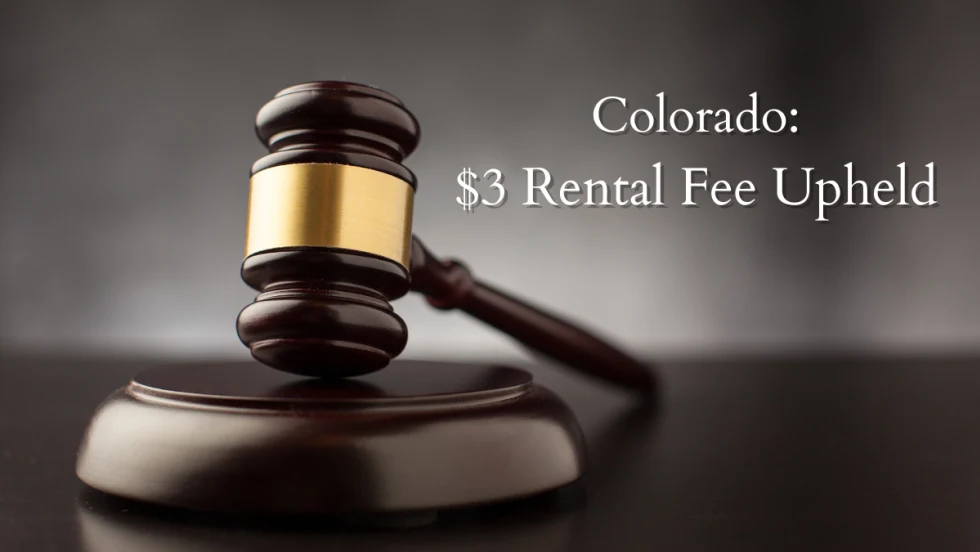
Federal Appeals Court Upholds Colorado’s $3 Rental Car Fee
In a case brought by the American Car Rental Association on behalf of the rental industry, the 10th Circuit ruled that Colorado’s congestion impact fee falls on renters — not rental companies — and can remain in effect.
Read More →
ACRA Carrying Fuller Industry Load As AI and EVs Lurk In Future
The leading car rental professional business group details an active legislative, regulatory, and macro-trends agenda affecting car rental operators.
Read More →
Government Affairs Executive Wins Leading Rental Car Industry Award
Robert Muhs started in the car rental industry with Avis Budget Group two years before the first International Car Rental Show.
Read More →
Using AI To Find Rental Car Damage
Angry car renters are storming social media, the mainstream media, and online ratings platforms to complain about charges they claim are either unfounded or excessive.
Read More →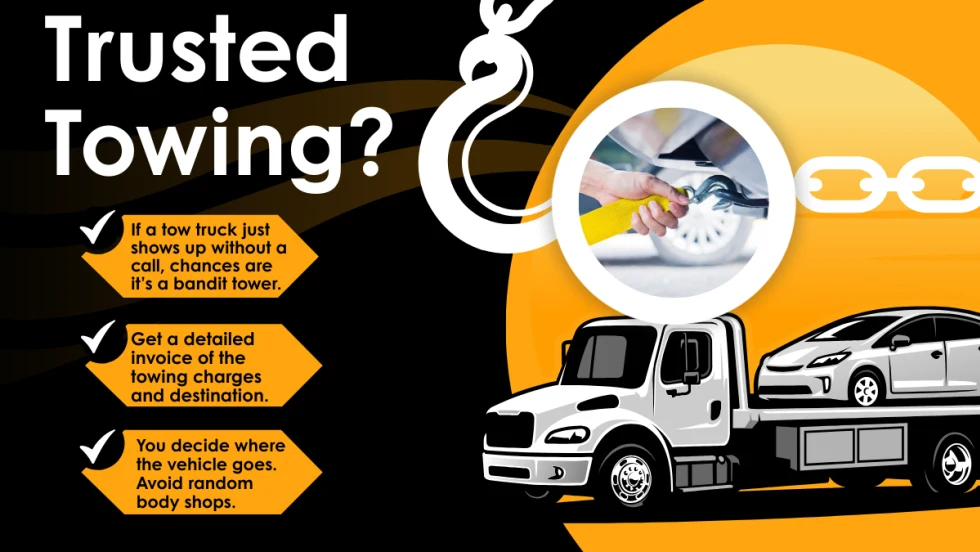
Bandit Towing A Tough Road For Car Rental Companies
Operators often must spend far too much time and resources trying to recoup rental cars towed away and held hostage to outrageously high fees.
Read More →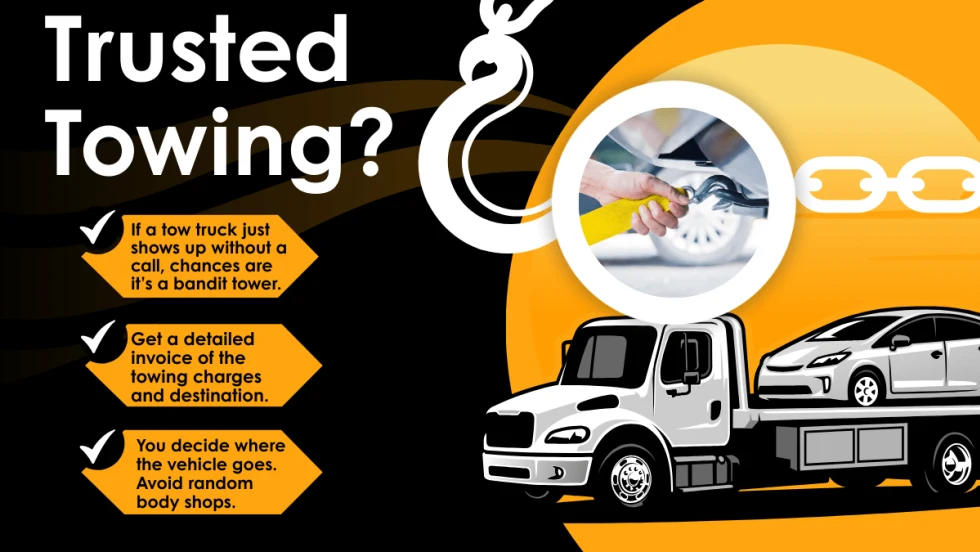
Bandit Towing A Tough Road For Car Rental Companies
Operators often must spend far too much time and resources trying to recoup rental cars towed away and held hostage to outrageously high fees.
Read More →
ACRA: Spurring Car Rental Industry Success
The American Car Rental Association scored more access and influence in 2025 as it grows its services for car rental operators.
Read More →
AVOA Partners with AALA and NLC
The American Vehicle Owners Alliance (AVOA) recently announced its partnership with the American Automotive Leasing Association (AALA) and the National League of Cities (NLC).
Read More →
ACRA Takes Bold Strides On Capitol Hill
The American Car Rental Association’s annual legislative and lobbying event upped the face time with and access to members of Congress.
Read More →