




So You Want to Be on Airport?
The owners of Fox Rent A Car discuss what it takes to secure an airport concession.

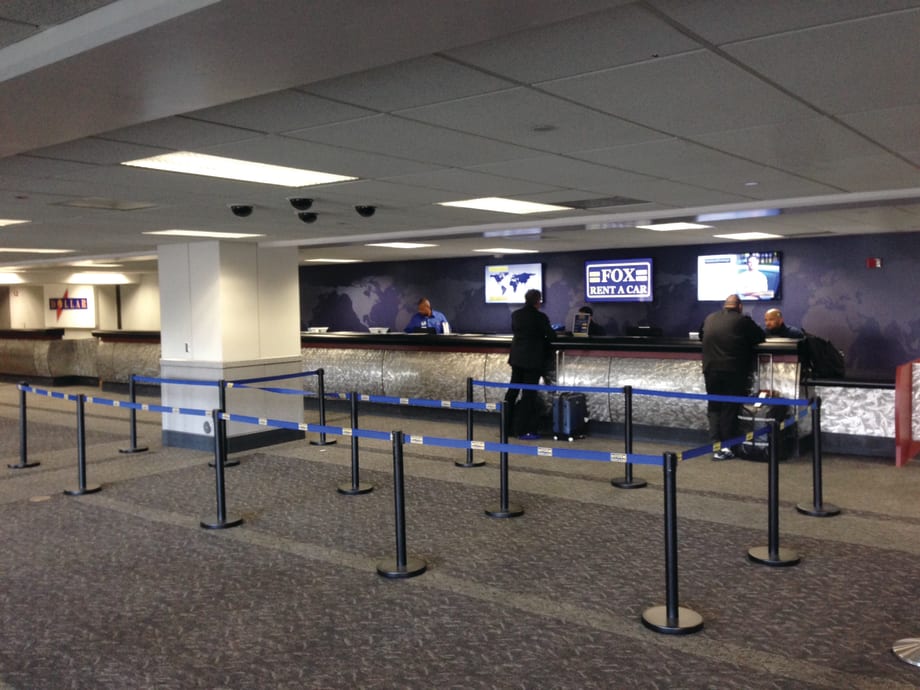
Fox Rent A Car's on-airport location at San Francisco International Airport.
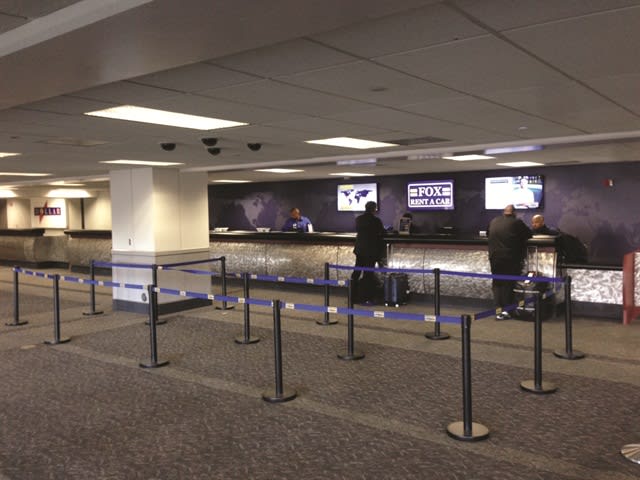
Fox Rent A Car's on-airport location at San Francisco International Airport.
With the industry consolidated into three major companies controlling nine brands, securing an airport concession agreement as an independent car rental company is not an easy proposition — especially as the trend to consolidated rental car centers (conracs) continues.
The owners of Fox Rent A Car, an airport brand and the largest “independent,” discuss the process of securing an airport concession while offering advice to smaller independents looking for access.
Hard Negotiations
Airports issue bid qualifications (revenue, funding, liquidity, etc.) for an airport concession; any company that satisfies them is allowed to bid. Companies bid based on expected airport revenues. All bids are confidential. If space is available for 10 companies, the airport accepts the 10 largest bids. Agreements are usually for five to 10 years.
Fox has been managing airport concessions for close to its 25-year existence. It’s no secret that the majors have a lot of pull with the airports regarding their needs. “Fox has done some hard negotiations to make sure we get a fair portion of our space allocation,” says co-owner Mike Jaberi.
While the move to consolidate rental operations under one roof generates a more complex negotiation process, it also creates opportunity.
Conracs are usually built to accommodate eight to 12 rental companies. If the airport is allocating space for eight or nine brands, you’re almost assured they’ll be taken by the three majors, says co-owner Allen Rezapour. However, if the number is increased to 10 to 12, midsized independents and even some smaller companies have a chance to apply.
The next issue is space, and that’s where the negotiations really begin. Jaberi says Fox has had opportunities to be on airport but has declined when the space allocation wasn’t practical.
While it’s always Fox’s intention to be on airport, an off-airport situation can still work. This most often entails “double busing,” in which customers are picked up at the airport curbside, dropped off at either the conrac or a central terminal, and then picked up by the proprietary shuttle of the off-airport company.
Noting the hassle for the customer, an off-airport situation involves lower airport fees, which in turn allows a rental company to offer more competitive rates. “There are customers who are still interested to do double busing to get those savings,” Jaberi says.
Small Operator Parcels
Smaller car rental companies might think that getting onto an airport is outside their realm, but this isn’t necessarily the case, the Fox owners say.
Many airports allocate “small operator parcels” (SOPs) designed for smaller businesses. Companies only have to meet the airport’s criteria to apply for an SOP; there is no bidding process.
[PAGEBREAK]
Yet there are restrictions. An SOP is often shared with other companies, and the number of ready stalls and overflow parking spots are limited. “You might still need an off-airport location for overflow, and you’ll be constantly running cars back and forth,” Jaberi says. “It’s an expensive operation if you don’t have enough spaces.”
Fox usually declines SOPs because the company’s volume is too large to operate efficiently in them, Jaberi says. Nonetheless, SOPs are opportunities for smaller companies.
Advice for the Indie
Whether applying for an SOP or competing with the big boys, it’s important to lay the groundwork long before the bid process, according to Jaberi and Rezapour.
It starts with being involved in the local business community to make sure your voice is heard by local politicians. It also entails fostering a relationship with key airport personnel. “Let them know that it’s good for the consumer to have choices at the airport,” Rezapour says.
Jaberi recommends getting involved in the pre-bidding process and finding out how many companies the airport expects in the new facility. “From our experience, the airports have been open to listen, to talk and sometimes to change that number,” Jaberi says. “It really works to negotiate before they decide on the number of brands.”
If the airport has agreed to open up more space, the negotiations aren’t over. From there, you’ll get into details such as counter space and parking. If the space is too restrictive, “That on-airport situation might not help at all,” says Jaberi.
For those on the outside, dealing with airport authorities might seem like a recipe for bureaucracy. From Fox’s experience, “We don’t see any airports trying to make our job harder,” Rezapour says.
More Rental Operations

Advantage, Sixt Place Among Top Five in Annual Satisfaction Study
While Enterprise and National retain the top spots in JD Power’s 2026 rankings, the latest customer satisfaction results suggest renters can find competitive service beyond the biggest car rental names.
Read More →
The $100,000 Insurance Trap in Exotic Car Rentals
Exotic rental agencies often rely on customers’ personal auto policies to protect six-figure vehicles. But policy language can dramatically change the coverage for vehicles over $100,000 MSRP.
Read More →
The Booking Is Confirmed, But Is Your Customer Ready to Drive?
For international renters, a confirmed reservation doesn’t always mean they’re eligible to drive. Earlier checks can help operators catch documentation and payment issues before the customer reaches the counter.
Read More →
ICRS 2027 Opens Call for Papers
The International Car Rental Show seeks session proposals on the business, operational, and technology issues facing car rental operators. Submissions are due Jan. 15.
Read More →
Turo to Launch Vehicle Delivery Service
Turo Delivered will let travelers search for vehicles that hosts can deliver directly to hotels, homes, airports, train stations, and other locations.
Read More →
Palm Beach Airport Code Change Creates Car Rental Distribution Gap
A test of rental searches under the old PBI and new DJT airport codes returned largely different sets of brands and vehicles, highlighting a potential distribution problem for rental operators.
Read More →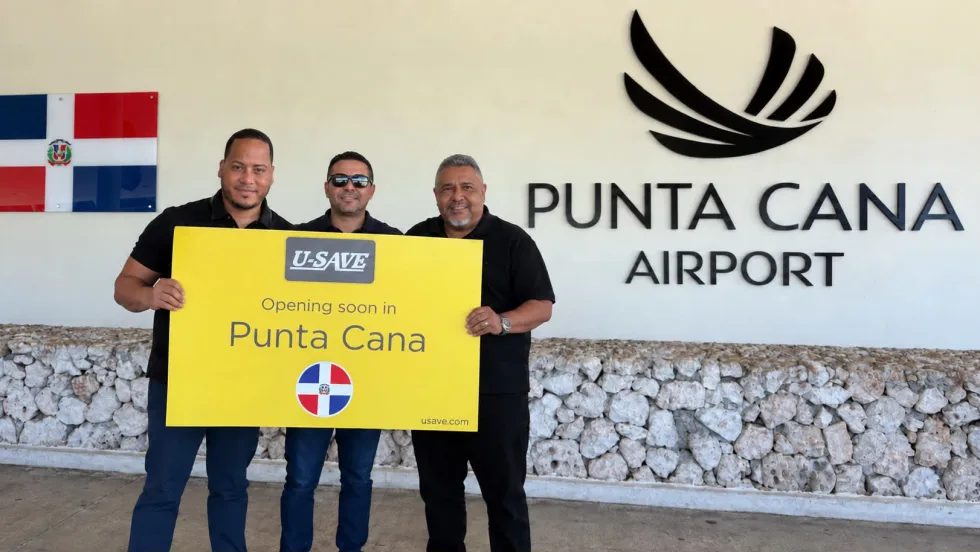
U-Save Continues Dominican Republic Expansion with Launch in Punta Cana
The new franchise location builds on U-Save’s existing Santo Domingo operation and will begin taking reservations for October 2026.
Read More →
When AI Books the Rental Car, Who Controls the Sale?
As AI moves from comparing rental rates to completing transactions, operators need to understand how travelers find, interpret, rank, and ultimately see their offers. (Part 2 of 2.)
Read More →
European Booked Car Rental Rates Fell 5%, Results Varied by Country
Ireland, Cyprus, and the United Kingdom saw steep declines, while booked rates rose in Poland and Hungary.
Read More →
Is It Time to Rethink Rental Categories?
As traditional economy and compact cars disappear from the market, longtime rental operator Mike DeLorenzo asks whether the industry’s familiar vehicle categories still make sense — and what operators need to rethink along with them.
Read More →