



ACTIF Speaks out for its members –- Recent attack on Rental Industry for use of vehicle tracking technology
ACTIF Response to “Some Rental Cars Are Keeping Tabs on the Drivers” By CHRISTOPHER ELLIOTT Published: January 13, 2004 ACTIF (The Association for Car & Truck Rental Independent and Franchisees...
ACTIF Response to “Some Rental Cars Are Keeping Tabs on the Drivers”
By CHRISTOPHER ELLIOTT Published: January 13, 2004
ACTIF (The Association for Car & Truck Rental Independent and Franchisees) is a professional support organization whose mission is to be dedicated to the growth and development of independent and franchisee vehicle rental business owners. ACTIF achieves this end by providing an organization for these businesses to pool their efforts and resources, to increase their buying power, to promote and improve the industry through legislation and to provide better products and services to their customers.
The Facts of the matter related to the rental operation that charged a renter for mileage related to a violation of the rental contracts geographic restrictions.
The Renter’s perspective “If we had known we couldn't drive the car outside California, we wouldn't have rented it," according to the Elliot article published 01-13-2004
Car Rental Operation’s perspective “…disclosure in an addendum to his rental contract warning that the vehicle might be equipped with a tracking device and that driving outside California would cost him $1 a mile or more.” according to the Elliot article published 01-13-2004
The Business Realities impacting the situation: ACTIF does not take a position in support of or opposition to either party specifically identified in the article. The specific details of this case are not the subject of this response; rather ACTIF seeks to address the general business practices underlying the issues in an effort to educate consumers to the circumstances that surrounding most rental transactions.
Geographic Restrictions – As was mentioned in the Elliot article these “Penalties for taking a rental vehicle beyond state lines or national borders are not new”. So what?, “why are they charged?” is the real question.
There are wide arrays of variables that help bring light to this issue. State specific liability laws and insurance regulations governing the owner of a motor vehicle play a large part in geographic restrictions. For instance a driver of rental car that is registered and insured by one state may not be appropriately covered when driven into another state or country (despite NAFTA insurance coverage does not typically extend to Canada and Mexico).
When a rental car operations is aware that a rental vehicle will be traveling into a state or country where added/different liability coverage may be necessary (due to state/national regulations), then the rental company may decide to restrict use of their vehicle in those locations, or extend the terms of the contract with the necessary insurance provided.
The problem that arises when renters violate these geographic restrictions can be sizable; for instance if a driver is involved in a crash while outside of the insurance available on the rental vehicle. In this instance the rental company can face serious financial losses as the owner of the vehicle. Much like the problems average folks would face if lending out their personal vehicle to a co-worker or acquaintance.
Furthermore geographic limitations are also extended to limit the mileage on rental vehicles, this ensures that vehicles rented are safe, well maintained, and retain value. When restrictions are defined with mileage limitations the intention is to be able to provide regular preventative maintenance on the vehicle at, as well as protect the value of the asset.
For example a rental operation may decide to rent a vehicle with very low mileage to a people intending to drive a long distance; and a vehicle with higher miles to a local driver. These strategies enable rental companies to better service all customers with a vehicle that meets the needs of the driver at the time of the rental.
Monitoring of Assets – Despite the fact that a renter pays a daily/weekly price to use a vehicle, the rental company is still the owner/legally responsible party for the vehicle. The rental vehicle is an asset of the company. Just like any responsible person a business operator is prudent to protect their assets.
Monitoring the location, condition and use of assets is a means to protecting them. Unlike many other business models rental operators entrust their assets to strangers that take the asset out of the owner’s sight and control. This poses a unique business situation where monitoring becomes the responsibility of the contract that a renter signs agreeing to accept responsibility and return the asset in the condition which it was originally provided.
Technology in Business -- In today’s business environment, it has become increasingly necessary to add safeguards to the asset monitoring process since the rental contract has limited power over various factors such as: increased theft, growing damage losses, higher prices of vehicles relative to the rental rate, and added regulatory requirements by finance and insurance sources.
Several software and technology solutions have been made available to assist rental operators in monitoring their fleets to protect the value of their investments and the safety of the vehicles for their customers. One important fact to keep in mind relative to the tracking technologies such as GPS tools is that the rental operations typically utilize a product that monitors for exceptions meaning they only track the violation of the contract. This exception based monitoring means simply that a set of rules are pre-defined and when one of these rules are violated a red flag is raised to alert the rental operation. Common rules are geographic boundaries, maximum speeds (generally a threshold set above the highway speed limits), next maintenance mileage reading, and date to de-fleet asset for sale. These monitors help rental operations provide a safe and dependable rental vehicle at the lowest possible cost.
Contractual Obligations – Rental operations are governed by state and local regulations, which include legal liability for the use of their assets. This and many other legal requirements are outlined in detail in a rental contractual agreement, despite the social pressure of a line or an impatient staff person, it is the renters right and obligation to take the time necessary to understand the terms of the contract before signing the rental agreement. To help consumers, many rental operations have the legal conditions of their rental contract available on-line; this is often part of the reservation process.
Taking the added few moments to review the terms at the reservation can help consumers make a more educated decision about their rental choice.
Consumer Choice – Please know that it is well within any consumer’s rights to ask rental operations about their policies. Most reputable business people encourage customers to ask questions about situations that are of concern. This dialogue affords both consumers and rental operators the opportunity to better understand each other’s perspective and define solutions that meet both needs. Also exercise your right to choose a different business if one does not provide the products or level of service desired.
Consumer Privacy -- One important fact to keep in mind relative to the tracking technologies such as GPS tools is that the rental operations typically utilize a product that monitors for exceptions meaning they only track the violation of the contract. Rest assured that reputable rental operations will provide notice when specific technology is being employed, please ask when your have a concern. Also note as a point of business, rental operators can not afford the expense involved in monitoring the every movement of each car at each moment of the day; the core objective is enforcing the legal contract requirements.
Common rules are geographic boundaries, maximum speeds (generally a threshold set above the highway speed limits), next maintenance mileage reading, and date to de-fleet asset for sale. These monitors help rental operations provide a safe and dependable rental vehicle at the lowest possible cost.
# # #
More Rental Operations

Rethink The Future To Avert A Race To The Bottom
Rental car operators heard a sobering industry message and a stern challenge at the close of the International Car Rental Show.
Read More →
DriveItAway, Free2move Plan Shared Fleet Program for Independent Rental Fleet Operators
Vehicles would be placed with participating rental operations to support car renter demand and provide additional fleet capacity.
Read More →
Stellantis Recalls 1.3 Million Jeep Vehicles Worldwide Over Fire Risk
Stellantis is recalling more than 1.3 million Jeep Wrangler and Gladiator models worldwide over a fire risk linked to power steering pump wiring.
Read More →
Green Motion And U-Save Open Rental Operations In Guatemala
The brands will open their first rental car outlets in the country at La Aurora International Airport in Guatemala City.
Read More →
U.S. Business Travel Drives $623 Billion+ in Economic Impact as Spending Reaches $538 Billion
The data also underscores the industry’s strong multiplier effect across the U.S. economy, revealing that each dollar invested in business travel in 2024 generated $1.16 in GDP.
Read More →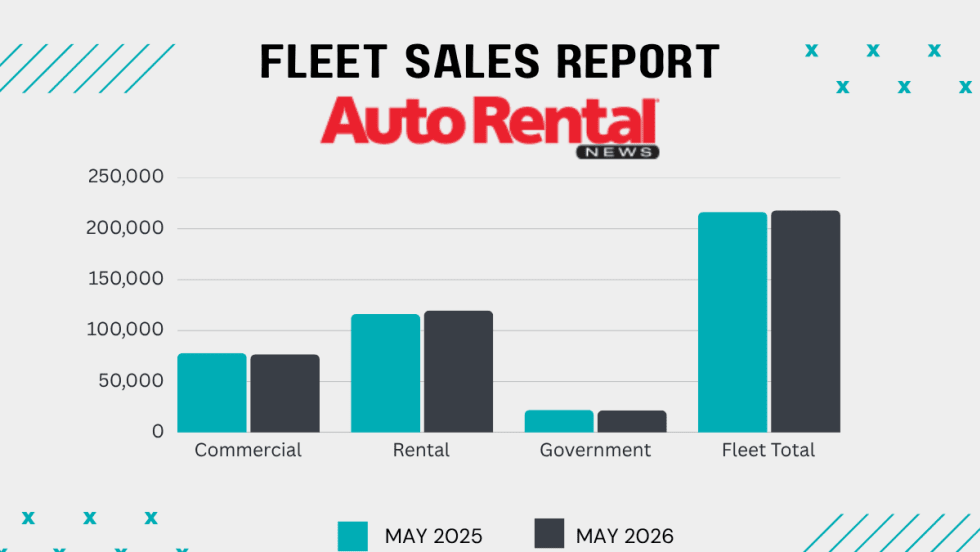
Rental Fleet Sales Skating Just Above 2025 Levels
The U.S. economy's continued growth and positive business investment are creating a favorable environment for fleet vehicle demand.
Read More →
Grow Your Rental Business Beyond Cars
Rental fleet operations are facing numerous evolving challenges and opportunities from AI technology to rate and revenue management, to customer service and business growth.
Read More →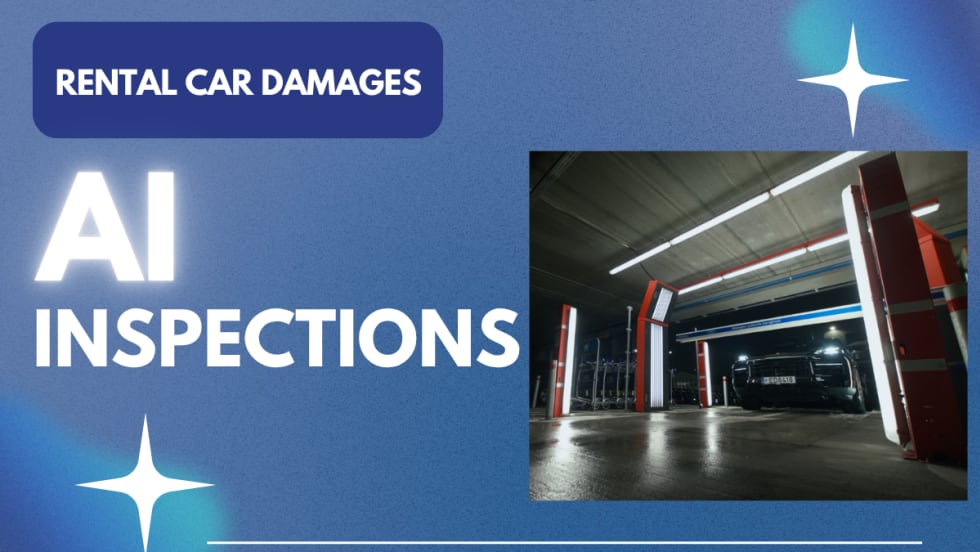
Using AI to Create Clarity, Not Conflict, in Rental Car Damage
Rental companies still need people, policy, judgment, and thoughtful implementation, with operators remaining in control of the customer experience.
Read More →
Get Ready To Roll: No Stopping Self-Driving Rental Cars
The autonomous mobility technology revolution will move at its own pace, but sooner rather than later.
Read More →
Southwest Airlines Selects CarTrawler For Its Car Rental Booking Platform
The platform is designed to allow customers to compare and book rental vehicles more easily during the travel booking process.
Read More →