




Highway Bill Would Bolster NHTSA Funding, Authority
The Obama administration's transportation bill, delivered to the U.S. Congress March 30, would triple funding for the federal safety agency's auto defect investigation office.
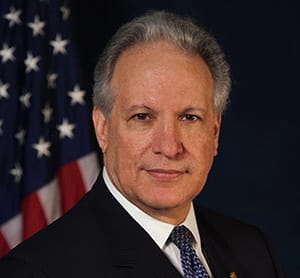
NHTSA Administrator Mark Rosekind

NHTSA Administrator Mark Rosekind
The Obama administration’s $478-billion six-year transportation bill calls for tripling funding for the National Highway Traffic Safety Administration’s defects investigation office, in hopes of more quickly identifying life-threatening auto defects that warrant a safety recall.
The federal agency, part of the U.S. Department of Transportation, drew sharp criticism last year for its slow response to complaints about defects tied to Takata air bag inflators and General Motors’ ignition switches. Agency leaders, in turn, cited shortages in funding and staffing.
Dubbed the Grow America Act, the proposed legislation seeks to bolster NHTSA’s authority. The agency would have the power to stop the sale of vehicles that posed an imminent risk of injury or death. NHTSA could make that determination independently, without input from the involved automaker. A pilot program would be established to improve safety recall notification and response rates, by checking for open recalls when a vehicle is registered with a state DMV.
The bill also would raise the maximum penalty that NHTSA could impose on a company that violates a federal safety regulation – from $35 million to $300 million.
U.S. Transportation Secretary Anthony Foxx sent the legislation to Congress March 30. The bill would invest $317 billion in roads and bridges and $115 billion in such public transportation options as buses and light rail trains.
Originally posted on Automotive Fleet
More Rental Operations

ICRS 2027 Opens Call for Papers
The International Car Rental Show seeks session proposals on the business, operational, and technology issues facing car rental operators. Submissions are due Jan. 15.
Read More →
Turo to Launch Vehicle Delivery Service
Turo Delivered will let travelers search for vehicles that hosts can deliver directly to hotels, homes, airports, train stations, and other locations.
Read More →
Palm Beach Airport Code Change Creates Car Rental Distribution Gap
A test of rental searches under the old PBI and new DJT airport codes returned largely different sets of brands and vehicles, highlighting a potential distribution problem for rental operators.
Read More →
U-Save Continues Dominican Republic Expansion with Launch in Punta Cana
The new franchise location builds on U-Save’s existing Santo Domingo operation and will begin taking reservations for October 2026.
Read More →
When AI Books the Rental Car, Who Controls the Sale?
As AI moves from comparing rental rates to completing transactions, operators need to understand how travelers find, interpret, rank, and ultimately see their offers. (Part 2 of 2.)
Read More →
European Booked Car Rental Rates Fell 5%, Results Varied by Country
Ireland, Cyprus, and the United Kingdom saw steep declines, while booked rates rose in Poland and Hungary.
Read More →
Is It Time to Rethink Rental Categories?
As traditional economy and compact cars disappear from the market, longtime rental operator Mike DeLorenzo asks whether the industry’s familiar vehicle categories still make sense — and what operators need to rethink along with them.
Read More →
Who Owns the Rate? AI Is Creating a New Distribution Problem for Car Rental
Generative Engine Optimization asks whether AI can find a rental company, but operators also need to know whether the agent inspected enough of the market, compared equivalent offers, and presented a rate the traveler can actually book. (Part 1 of 2)
Read More →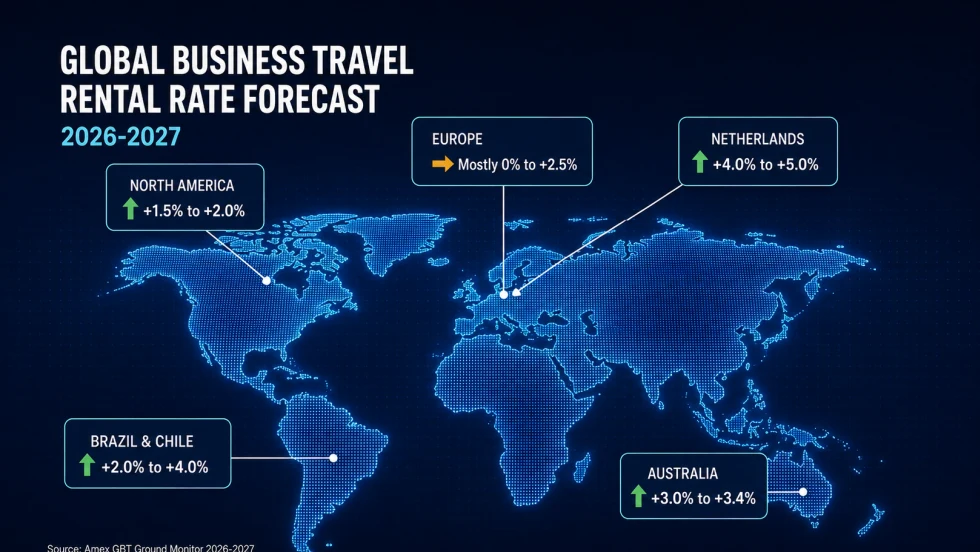
U.S. Business Travel Car Rental Rates Forecast to Rise Up to 2%
Improved fleet supply should limit pricing gains in 2026-27, while insurance, repair costs, and softer residual values continue to pressure rental operations, according to Amex GBT.
Read More →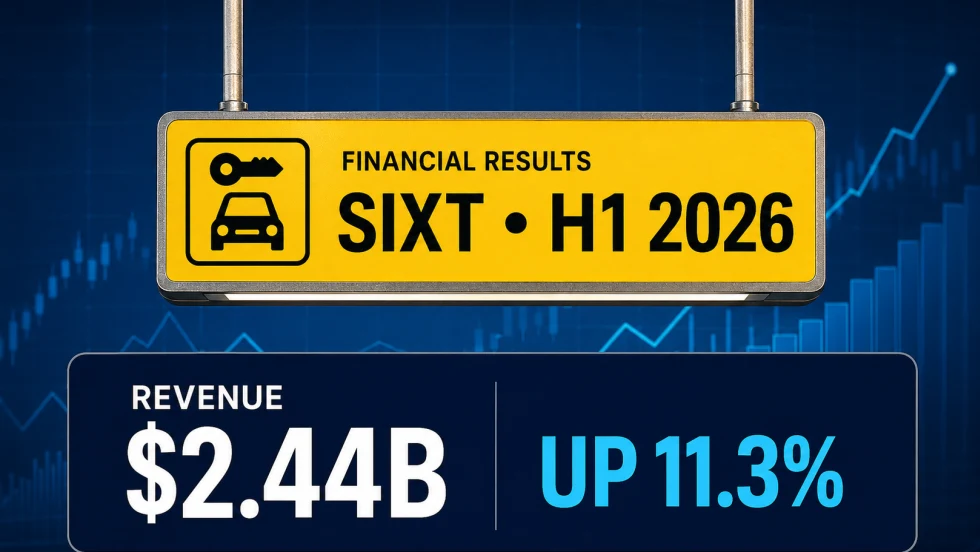
Sixt Revenue Tops $2.4 Billion in First Half of 2026
Sixt’s first-half revenue surpassed $2.4 billion for the first time as demand outpaced fleet growth, lifting utilization and earnings despite weaker consumer sentiment in North America.
Read More →