




Calif. Price-Fixing Suit Dismissed
A class-action lawsuit alleging that seven car rental firms agreed to raise and fix prices by passing on to consumers an airport concession fee has been dismissed.
A class-action lawsuit that alleged price fixing by seven car rental firms operating in California airports has been dismissed, according to court records filed April 8, 2008.
The suit alleged that Hertz, Avis Budget Group, Dollar Thrifty Automotive Group, Enterprise, National and Alamo conspired to pass on to consumers a 2.5 percent surcharge for each rental instead of abiding by a deal to contribute to government agency fees themselves.
Second, the suit alleged that the defendants agreed to raise and fix prices by passing on to consumers an airport concession fee of about 9 percent.
The case was brought by Robert C. Fellmeth, executive director of the University of San Diego School of Law’s Center for Public Interest Law (CPIL), and Michael Shames, executive director of the Utility Consumers' Action Network, a San Diego watchdog group.
The case, filed in November 2007, arose from a deal between California legislators and lobbyists for the car rental companies in which the rental companies agreed to contribute $24 million to the budget of the California Travel and Tourism Commission (CTTC), under Assembly Bill 2592.
In return for the $24 million contribution, the car rental companies sought to unbundle, or separately itemize, the 9 percent airport concession fee that is paid on each airport car rental, from the advertised base rate. Previous law required that all rental car charges be included in the advertised base rate, so that consumers are not surprised by unexpected charges at point of rental.
The plaintiffs maintained that the rental car companies acted unlawfully in meeting under the guise of the CTTC and conspired to add-on charges to consumers.
The plaintiffs contend that in January 2007 the rental car defendants increased their prices by 9 percent and imposed a 2.5 percent fee on consumers. While AB 2592 permitted these actions, the plaintiffs argued that since AB 2592 did not expressly require passing the costs at issue through to consumers, the allegations sufficiently support the existence of an agreement to raise and fix prices.
The court disagreed.
The court concluded that the plaintiffs did not produce evidence that the defendants conspired to fix prices. “The complaint is devoid of factual allegations regarding any actual agreement between the CTTC and the rental car defendants,” states the motion to dismiss.
The California Tourism Marketing Act expressly permits “an assessed business to pass on some or all of the assessment to customers.”
The court concluded that the actions of the car rental companies are equally consistent with “a wide swath of rational and competitive business strategy unilaterally prompted by common perceptions of the market,” and that the RACs acted with “identical, independent action motivated by economic self-interest.”
Apparently, the case is not over yet.
“The court granted the defendant motions to dismiss based on the stricter pleading requirements of a recent antitrust case,” said Robert Fellmeth in a prepared statement. “She did not rule that the complaint failed to state a cause of action, but essentially found that the pleadings were too ‘conclusory’ and required additional factual underpinning. An amended complaint with substantial factual details meeting the stricter pleading specificity standards will be filed within the next three weeks.”
More Rental Operations
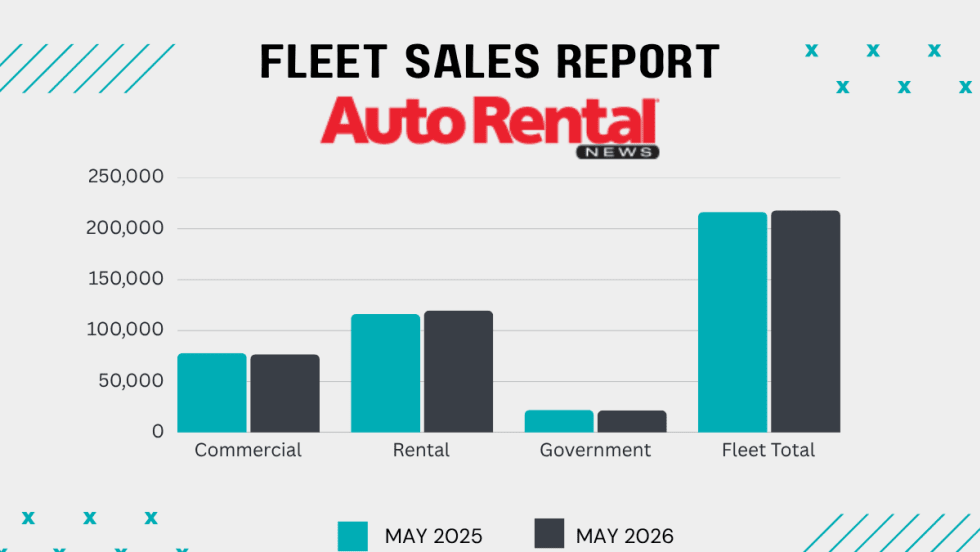
Rental Fleet Sales Skating Just Above 2025 Levels
The U.S. economy's continued growth and positive business investment are creating a favorable environment for fleet vehicle demand.
Read More →
Grow Your Rental Business Beyond Cars
Rental fleet operations are facing numerous evolving challenges and opportunities from AI technology to rate and revenue management, to customer service and business growth.
Read More →
Using AI to Create Clarity, Not Conflict, in Rental Car Damage
Rental companies still need people, policy, judgment, and thoughtful implementation, with operators remaining in control of the customer experience.
Read More →
Get Ready To Roll: No Stopping Self-Driving Rental Cars
The autonomous mobility technology revolution will move at its own pace, but sooner rather than later.
Read More →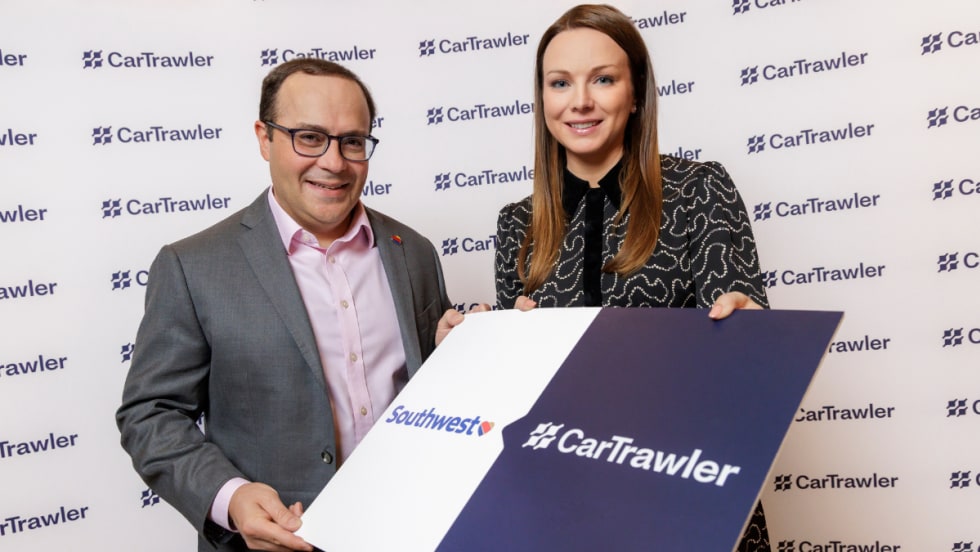
Southwest Airlines Selects CarTrawler For Its Car Rental Booking Platform
The platform is designed to allow customers to compare and book rental vehicles more easily during the travel booking process.
Read More →
Cross-Pressures, Evolving Trends Drive 2026 Rental Car Industry
A combination of cautious economic behavior, shifts in the rental vehicle market, and technological influences are shaping car rental operator decisions.
Read More →
Government Affairs Executive Wins Leading Rental Car Industry Award
Robert Muhs started in the car rental industry with Avis Budget Group two years before the first International Car Rental Show.
Read More →
Green Motion Expands Its African Presence with Mozambique Launch
This new rental car outlet reflects the growing demand for reliable transportation and the emphasis on sustainable travel across the continent.
Read More →
RentalMatics, GeoInt Partner On Rental Car Speed Tracking Tech
Rental operators can now detect and act on speeding while vehicles are still on rent, thereby reducing fines, admin workload, vehicle wear, and safety risks.
Read More →
NextPass Expands Toll Payment Service to Highway In Toronto
Fleets and consumer can use a transponder-less option when traveling between Canada and the U.S.
Read More →