




RelayRides Shuts Down in NY for Insurance Violations
An investigation by New York State’s Department of Financial Services (DFS) has exposed that car-sharing RelayRides put New Yorkers at risk through violations such as unlicensed insurance activity and false advertising.
New York Gov. Andrew M. Cuomo’s administration has announced that an investigation by New York’s Department of Financial Services (DFS) exposed that the car-sharing service RelayRides put New Yorkers at risk through violations such as false advertising and unlicensed insurance activity.
As a result of the investigation, RelayRides will pay a $200,000 to the DFS. RelayRides is a peer-to-peer car-sharing service that allows people to rent out their vehicles to third parties in exchange for a fee.
“Our administration will not tolerate when companies break the law and jeopardize New Yorkers’ safety,” said Cuomo. “We will continue to take an active role in protecting consumers by preventing false advertising and misleading business practices.”
Last May, the DFS directed RelayRides to cease operating in New York for its repeated violations of law. RelayRides represented that consumers would not be financially liable for accidents or thefts that occurred while using the service, which was not true, according to the DFS.
RelayRides sold insurance and adjusted insurance claims without being licensed by the DFS, which is a violation of New York’s insurance law. Moreover, RelayRides misrepresented to New Yorkers that they would not be liable for out-of-pocket expenses in the event that the car is stolen or involved in an accident. In fact, the DFS’s investigation uncovered that those claims were not true and that New Yorkers could be held personally liable for property damage, theft, bodily injury or death that occurs during the rental.
In a typical RelayRides rental transaction, the company maintained a $1 million liability insurance policy for injury or damage to third parties. The policy was issued by Hudson Insurance Co., a New York insurer.
RelayRides told vehicle owners that the Hudson liability policy would cover the owner and that the owner’s own policy would not be involved — if there was an accident while a person was renting the vehicle, according to the DFS.
However, an owner’s personal liability insurance policy provides coverage to any person who drives the vehicle with the owner’s permission. New York law does not permit an insurer to exclude coverage for a renter. As a result, an owner may have been personally liable for any accident that occurred while the vehicle was being rented, says the DFS.
In addition, RelayRides misrepresented to vehicle owners that their participation in the program would not result in their personal liability insurers cancelling or not renewing their personal liability insurance. However, standard New York liability policies do not permit the use of vehicles in commercial enterprises, according to the DFS.
RelayRides also failed to disclose to owners that renting out a personal vehicle could constitute a commercial use of that vehicle, potentially causing car owners to violate standard provisions of New York vehicle leasing and finance agreements.
In addition to the $200,000 penalty, RelayRides has signed a consent order that it will not conduct any business in New York until it submits a business plan that the DFS determines is no longer inconsistent with New York’s insurance law.
RelayRides also agreed that the DFS will have enhanced oversight over its operations if it starts operating in New York in the future: RelayRides will submit all of its advertisements and consumer disclosures to the DFS monthly for review of potential false and misleading statements, according to the DFS.
DFS is continuing its investigation into Hudson Insurance Co., which issued the group liability policy sold to RelayRides’ consumers.
Issued by the New York State Department of Financial Services’ Financial Frauds and Consumer Protection Division, click here for the full consent order signed by RelayRides: http://www.dfs.ny.gov/about/ea/ea140310.pdf
More Legal & Legislative
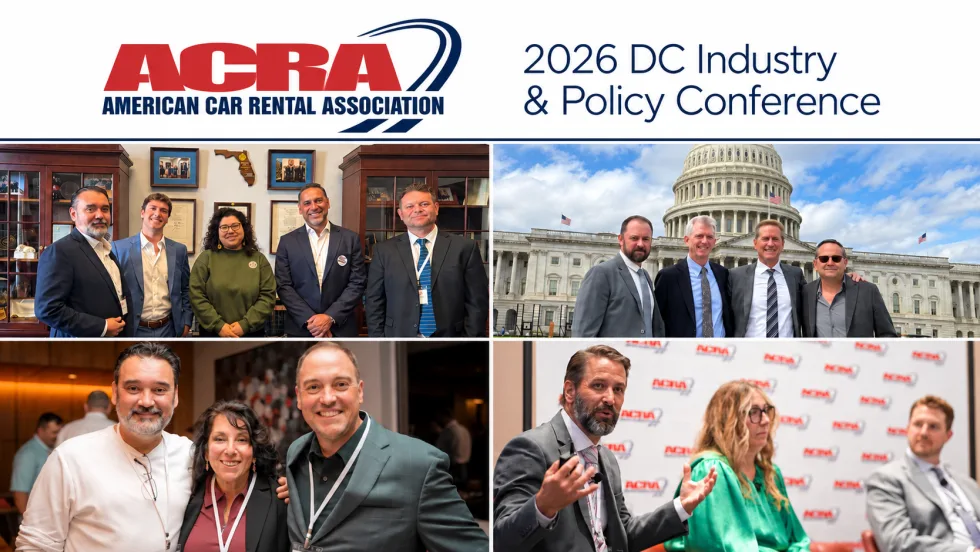
ACRA 2026 Annual DC Industry & Policy Conference in Photos
Car rental made its voice heard on Capitol Hill Sept. 22-25.
Read More →
Hertz Settlement Expands Hand-Control Rental Vehicle Availability
A court-approved ADA settlement requires Hertz to add dedicated hand-control minivans, expand reservation access, and, when necessary, offer the least expensive vehicle capable of accepting hand controls.
Read More →
Federal Appeals Court Upholds Colorado’s $3 Rental Car Fee
In a case brought by the American Car Rental Association on behalf of the rental industry, the 10th Circuit ruled that Colorado’s congestion impact fee falls on renters — not rental companies — and can remain in effect.
Read More →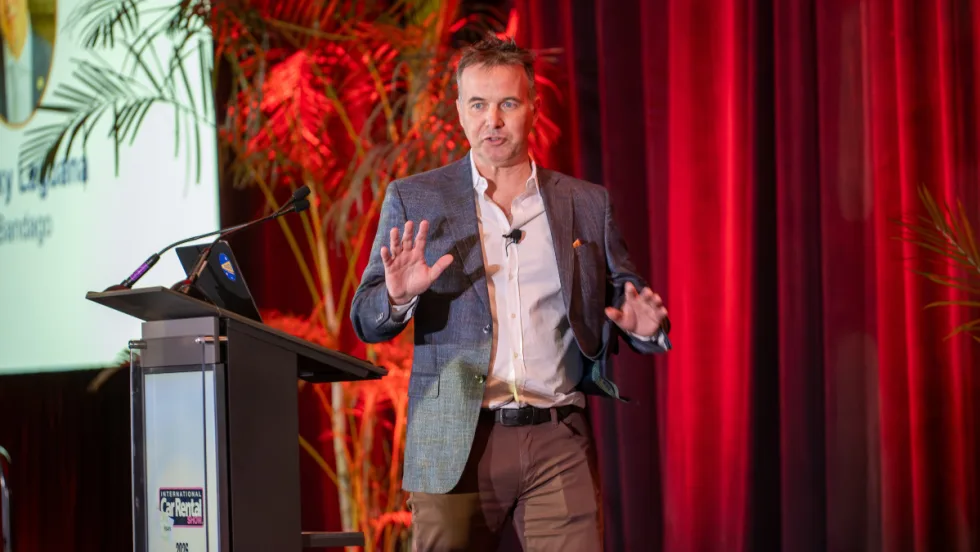
ACRA Carrying Fuller Industry Load As AI and EVs Lurk In Future
The leading car rental professional business group details an active legislative, regulatory, and macro-trends agenda affecting car rental operators.
Read More →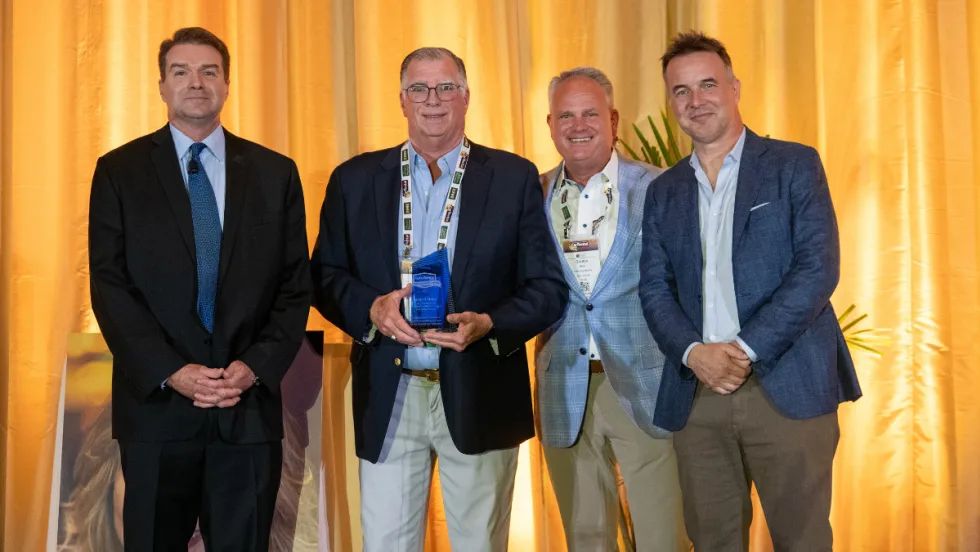
Government Affairs Executive Wins Leading Rental Car Industry Award
Robert Muhs started in the car rental industry with Avis Budget Group two years before the first International Car Rental Show.
Read More →
Using AI To Find Rental Car Damage
Angry car renters are storming social media, the mainstream media, and online ratings platforms to complain about charges they claim are either unfounded or excessive.
Read More →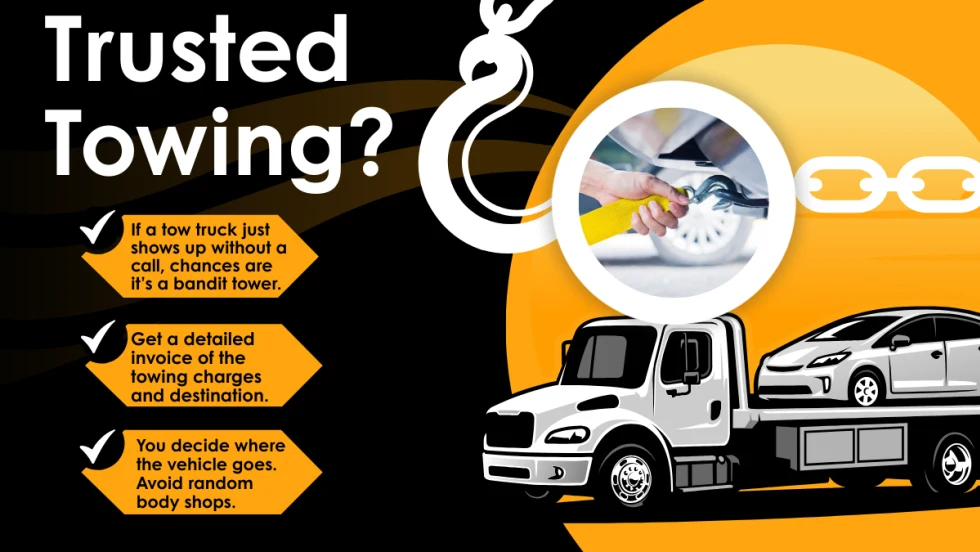
Bandit Towing A Tough Road For Car Rental Companies
Operators often must spend far too much time and resources trying to recoup rental cars towed away and held hostage to outrageously high fees.
Read More →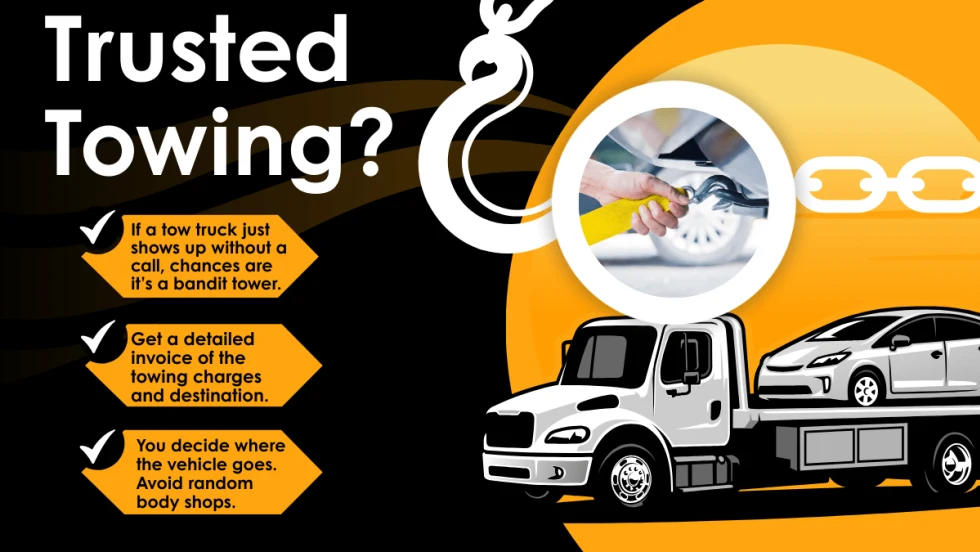
Bandit Towing A Tough Road For Car Rental Companies
Operators often must spend far too much time and resources trying to recoup rental cars towed away and held hostage to outrageously high fees.
Read More →
ACRA: Spurring Car Rental Industry Success
The American Car Rental Association scored more access and influence in 2025 as it grows its services for car rental operators.
Read More →
AVOA Partners with AALA and NLC
The American Vehicle Owners Alliance (AVOA) recently announced its partnership with the American Automotive Leasing Association (AALA) and the National League of Cities (NLC).
Read More →