


Maintaining Customer Service When the Rental Goes Bad
Experts give tips on how to remain professional when dealing with difficult situations such as vehicle recovery, subrogation, or chargebacks.

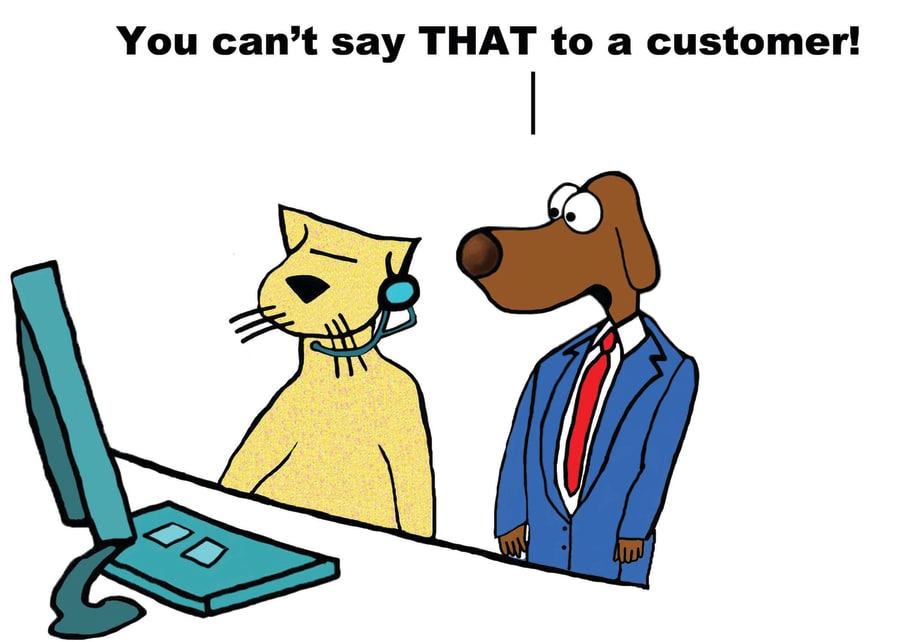
Photo via iStockPhoto.com/AndrewGenn
Photo via iStockPhoto.com/AndrewGenn
When faced with a difficult customer, it’s important for car rental operators to still practice good customer service.
In addition to the actual rental process, a customer could become confrontational in other challenging situations after the rental, such as in vehicle recovery situations, when payment for damages needs to be collected (subrogation), or regarding chargebacks when a customer disputes a credit card charge.
If one of these situations arises, how can a company maintain its professionalism? It all starts with training employees.
“It’s a shame when we have employees who are faced with these difficult situations and they don’t know what to do to handle them,” says Pat Bowie, the director of training and development for International Franchise Systems (IFS), owners of the Rent-A-Wreck, Priceless, and NextCar brands. “You have to prepare employees for when the rental goes bad.”
Additionally, it means working with third-party vendors that will also maintain your company’s level of professionalism.
“It’s all about delivery of the message,” says Kevin Carter, owner of Collateral Consultants, which specializes in locating overdue and stolen rental vehicles. “If you convey your message in a professional and calm tone, you will get better results than if you are harsh or threaten difficult customers.”
Forming a Process
When training employees, Bowie uses an eight-step problem-resolving process that works in any type of situation.
“Companies get in trouble when employees don’t know what to do,” says Bowie. “They will either say or do something that’s not right. If you put basic skills in place and train employees, they will get used to utilizing the skills and will already know what to do if faced with a difficult situation.”
The first step is to apologize, even though many employees don’t want to apologize if they didn’t do anything wrong. “Employees need to know that they aren’t apologizing for something they did; they are apologizing for what the customer experienced with the company,” says Bowie.
The second step is to show and express respect — not just in person, but over the phone too. In fact, people can “hear” your facial expressions over the phone, according to Bowie.
Step three is to listen to better understand the situation. Bowie recommends taking notes, but only after asking for the customer’s permission. According to Bowie, “Say something like, ‘I don’t want to get this wrong. Do you mind if I write down the details to make sure that I understand what exactly happened to you?’”
Step four is to ask questions to uncover the customer’s expectations. According to Bowie, ask questions like, “What can I do to make this right for you?”
The fifth step involves paraphrasing and repeating back what you understand about the customer’s situation. “It’s the time for the customer to hear your interpretation and to correct you if necessary,” says Bowie. “That way, you are both on the same page.”
The sixth and seventh steps entail identifying the solutions and then following through. Bowie recommends stating a solution and having an alternative in the back pocket. For example, a solution could be a larger car with more legroom. Or an alternative could be a minivan. After identifying the solutions, it’s important to take action and follow through.
The last step is to check for satisfaction. To make sure the customer feels that the issue was resolved, an employee needs to ask if he or she is satisfied with the solution. Bowie suggests questions such as, “Did I take care of the problem?” “Is there anything else I can do for you?”
“During the training process, I give employees examples of possible scenarios when communicating each step,” says Bowie. “I also cover the top complaints from rental customers, including getting a dirty car, not understanding charges, and experiencing an unfriendly employee at the counter.”
Dealing With Delinquent Renters
Carter’s company Collateral Consultants is asked to intervene when a rental company needs to locate overdue vehicles. How do Carter and his employee remain professional when dealing with people who are likely in the wrong?
“We are trained to not raise our voice when dealing with delinquent renters,” says Carter. “When people start yelling, nothing gets accomplished. We also don’t allow any profanity, even if we hear a lot of it. We have to take responsibility for the words that come out of our mouths.”
As a retired policeman, Carter uses skills that he learned in his police work when he follows up on a delinquent rental. “We are there to de-escalate the situation,” he says. “We aren’t asked to come to escalate it to a point where a physical altercation occurs.”
Carter and his team allow the person to tell his or her side of the story. When people are in distress, one of the first things they want to do is vent and be heard, according to Carter.
“We allow them to speak, but that doesn’t mean that we agree with them,” says Carter. “By giving them the opportunity to tell their side of the story, I think we become human to them.”
After letting the person speak, Carter emphasizes that his employees must be honest with the delinquent renter and lay out the potential consequences. For instance, “I’m working on behalf of this rental company. Are you aware that the company has the right to report this car stolen if you don’t return it? What can we do to help you get this resolved?”
For Carter, it’s all about the delivery of the message, which includes your demeanor. When questioning the person, being more aggressive or louder doesn’t help the situation.
“We practice communication excellence,” says Carter. “We are representing the rental company’s brand and can’t lower its standards. By remaining professional, most of the people will return the cars on their own; I don’t have to repossess too many cars. ”
Handling Insurance Subrogation
Randy Harris, owner of Alternative Claims Management, handles insurance claims for rental companies. His company primarily does insurance subrogation, collecting 80% of claims from insurance companies without customers getting involved. If customers do need to get involved, it usually means that they don’t have insurance.
To maintain good customer service, Harris recommends that rental companies remain professional and communicative through the claims process. This includes not accusing the customer of causing damage.
“When you start accusing customers, they will get defensive,” says Harris. “Instead of saying, ‘you damaged the car,’ you could say ‘damage occurred while you had the car. Although it’s not necessarily your fault, you are still legally responsible based on the rental contract you signed.’”
Once damage has been found, rental companies need to explain the claims process and walk customers through the steps.
“Some rental companies will have a preprinted letter that they hand to the customer when a vehicle is returned with damage,” says Harris. “The letter would indicate that the rental company’s third-party administrator will be contacting them. This will give customers a better idea of what to expect.”
Additionally, it could be beneficial to explain certain terms to customers. According to Harris, many customers won’t know what diminished value or loss-of-use means. Give a short description of the different fees and why they are necessary.
Harris suggests that rental companies always bill customers for claims. Some rental companies think they are giving their customers great service by waiving the fees and not billing them, according to Harris.
“But by not billing them, these customers don’t even know that they owed it,” says Harris. “And they don’t know that you did them a favor.”
If the customer questions the bill, the rental company could then decide to waive the fee. According to Harris, he could tell a customer, “We talked to the rental company. Since you are an important customer, they asked us to close the claim.”
Or instead of waiving the whole claims fee, some rental companies will include a valued customer discount, says Harris. For example, the bill was $600, but because the person is a valuable customer, he or she will only be charged $300.
Getting Payments for Chargebacks
If good customer service isn’t practiced, it could cause a rental company to lose more money in chargebacks, according to Suresh Dakshina, president and co-founder of Chargeback Gurus, which helps investigate and resolve chargebacks for rental companies.
Car rental companies are vulnerable to chargebacks, says Dakshina. Customers may get upset at additional charges for fuel, tire damage, one-way drop-off, or having a young driver. Customers may also get confused and accidently sign for insurance or damage waivers.
With chargebacks, a major problem is that many car rental companies don’t inform the customers of why they are being billed, according to Dakshina.
“When customers are clear from the start about potential extra charges, they are less likely to get upset when they see the final bill and, consequently, less likely to file a dispute,” says Dakshina.
Before processing a chargeback, Chargeback Gurus has introduced the process of mailing or emailing customers a letter. The letter explains the situation and why they are being billed. It gives the customer a seven- to eight-day window to respond.
“If the situation is handled in a less confrontational way, the customer is more likely to pay the chargeback,” says Dakshina.
As a practice of good customer service, the rental company could offer payment options — in multiple installments — if a customer needs more time to pay the bill, according to Dakshina.
If the customer doesn’t respond, the rental company has to decide whether it’s worth fighting the chargeback. For example, if you are disputing a $40 chargeback, in the long run, it might be worth waiving the amount.
“A chargeback could be from $250 to $5,000,” says Dakshina. “When you are in a dispute, you have already lost the money you have been charged and paid a transaction fee on it.”
More Fleet Insurance

Hanging By A Vote: What the Hertz Insurance Ruling Means for Rental Operators
A recent precedent-setting court case points to the precautions and steps a rental fleet operation should take to minimize risk, reduce exposure, and avert legal consequences.
Read More →
Using AI to Create Clarity, Not Conflict, in Rental Car Damage
Rental companies still need people, policy, judgment, and thoughtful implementation, with operators remaining in control of the customer experience.
Read More →
Go Rentals, Repair Provider Partner To Ease Insurance Claims Experience
The arrangement helps reduce the stress of collision repair for vehicle owners by connecting them to reliable, timely rental cars.
Read More →
U.S. Collision-Related Rental Length of Rental Declined Modestly in Q4 2025
While LOR continues to decrease from post-pandemic highs, ongoing market and economic conditions could impact future results.
Read More →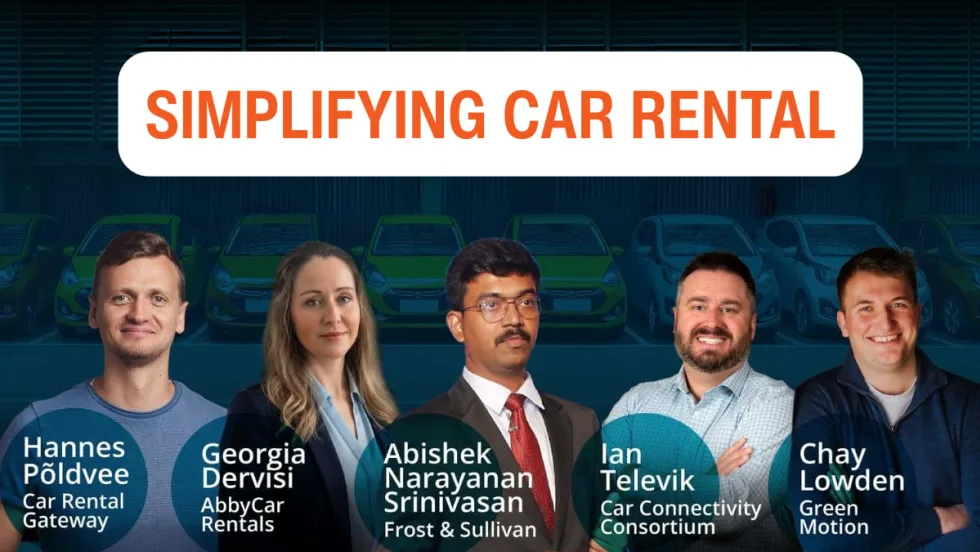
Beyond The Rental Desk: Inside Car Rental’s Push To Simplify
Greater transparency, simplified digital access, and connected fleets will be the key factors in determining who comes out on top over the next 10 years.
Read More →
Tripiamo Brings Certified Driving Confidence Training For Car Renters
Driving abroad is one of the leading causes of death among international travelers, who are not used to new traffic patterns.
Read More →
AI in Car Rental Should Be the Customer’s Advocate, Not Accuser
Opinion/Editorial: What happens when AI randomly overcharges car renters outrageous fees and penalties?
Read More →
TSD Mobility, Canopy Connect Partner to Ease Insurance Verification
The new integration brings streamlined functionality to rental agents and dealerships.
Read More →
Length of Rental Could Be Finding a New Normal of More Days
The industry may not be returning to the lower LORs of 2019 and 2020 as two years of declining repair shop backlogs appear to flatline.
Read More →
Gallagher Insurance Hires Broker Focused on Rental Car Operations
The former rental fleet executive informs his insurance practices with the everyday realities of managing rented vehicles.
Read More →