




The Rising Importance of Fleet Managers
A massive new market for fleet management will be created that doesn’t exist yet. Are you ready?


Image via Gerd Altmann from Pixabay.
When we finally get there, they say we won’t own autonomous vehicles (AVs), we’ll summon them as needed and pay for their usage. Deploying millions of AVs owned and managed by organizations, not individual consumers, will be a permanent, societal paradigm shift toward fleets.
At Bobit, we calculate the universe of vehicles under fleet management in the U.S. alone to be about 6.8 million. When autonomy comes fully to fruition, the number of vehicles that will need to be managed will increase exponentially. When we say, “the fleetification of everything,” this is what we’re talking about.
Let’s ruminate on that: A massive new market for fleet management will be created that doesn’t exist yet. Yeah, it’s an exciting time to be in the fleet industry, as much as it is a disruptive time.
This new market will require smart people — lots of them — to manage those fleets. The high-level fleet management job functions will stay the same: AVs will still need to be bought, sold, serviced, and routed. Mobile workforces will still need supervision, even if they’re not behind a wheel.
But there will be plenty of differences: Much of the routing will be handled through artificial intelligence (AI), as will rote functions such as tax, title, and licensing. With negligible accidents and simpler electric powertrains, AVs will need far less maintenance and repairs.
When servicing is needed, high utilization will only permit service windows tighter than a Nascar pitstop. This new model is already driving a new concept called Fleet Management as a Service. Round-the-clock utilization will disrupt the 9-to-5 workday to be sure.
Some future fleet functions are open-ended questions: How do you depreciate a “transportation appliance?” What does the secondary market look like for AVs, as they’ll stay in fleets exponentially longer than today? How will extended lengths of service affect new AV price negotiations? Instead of replacement cycles, will we instead be managing the constant rotation of batteries and parts in vehicles well past 400,000 miles on their odometers?
Of course, the traditional fleets will continue to exist and require management, even when routed autonomously. Trucks and equipment will still need to get around; goods need to be shipped across the country; salespeople will still bring their products to clients; rental cars will need to find customers; plumbers will still need a way to show up to fix a broken sink.
Those traditional fleets will need even more help than before, as telematics, data harvesting, and AI, will become necessities to employ. Fleet managers who shrug their shoulders at these new drivers of fleet efficiencies and shift to data management risk being left behind.
Let’s face it, the market has changed already. New types of fleets have emerged, from carsharing startups and last-mile delivery services to thousands of cars rented to Uber and Lyft drivers, and others supplying new peer-to-peer platforms.
These new fleets need the most help of all: They need seasoned fleet managers to help them with basic fleet functions, from buying and selling vehicles to depreciating them, from accident management and subrogation to fueling and preventive maintenance.
Yes, there is a lot more data and a lot more tools to manage it, but ironically this isn’t making the fleet manager’s job any easier. In this brave, new world, how do you put yourself in the best position to succeed?
Don’t look for Bobit to start Autonomous Fleet Magazine, though it does have a ring to it.
We have, however, just launched Fleet Forward, a new brand in our Fleet Group. Fleetforward.com provides solutions for new concepts surrounding mobility. We’ll cover the buzzwords — connectivity, autonomous technology, shared mobility, and electrification — but with a focus on what fleets can implement today to drive efficiencies.
We encourage you to frequent Fleetforward.com. Sign up for the e-newsletter on the homepage. Tell us what’s important to you. And, once year, join us in person to bring these concepts to life. (The 2019 Fleet Forward Conference convenes in San Jose Nov. 11-13.)
In short, good fleet managers will be coveted more than ever, in incumbent markets and mind-bogglingly large new ones. Belying the definition of the word “autonomy,” AVs aren’t going to manage themselves. Computer algorithms don’t manage fleets, people do, and that won’t change in the next few decades.
Yes, it’s an exciting time to be in the fleet business. The fleet managers will have great input into the future of transportation. The ones able to adapt, that is. Who is up to the task?
Originally posted on Automotive Fleet
More Articles
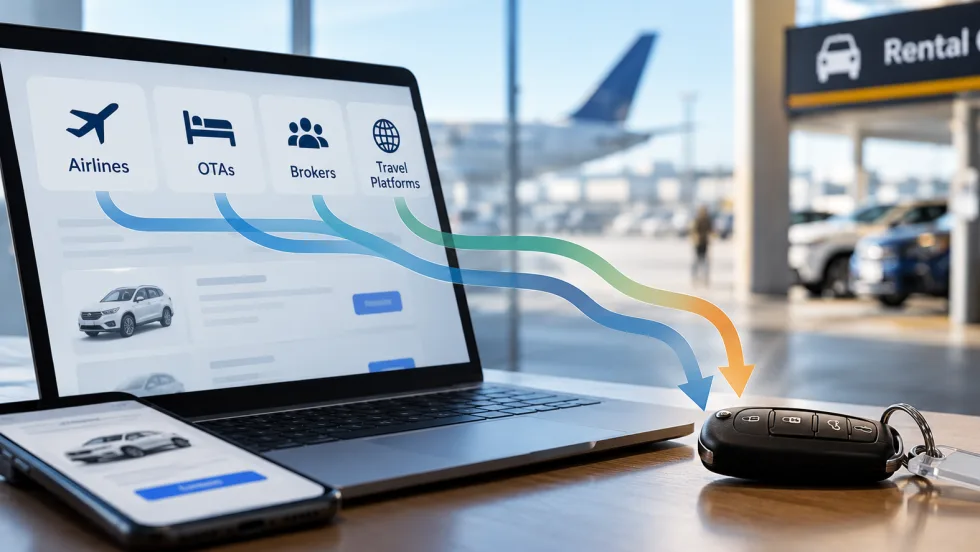
Direct, Broker or Hybrid? How Travel Retailers Source Rental Cars
As travel retailers weigh direct supplier relationships against third-party distribution, rental operators need to understand how those decisions affect their business.
Read More →
How Did This Independent Rental Operator Grow to 170 Vehicles in 4 Years?
With 170 vehicles across three Kentucky locations, Joel Price relies on an overseas team to handle reservations, payments, and after-hours customer service. It's one part of an unconventional approach to growing an independent rental operation.
Read More →
What Does It Take to Succeed in B2B Rentals?
The fundamentals may be familiar to daily car rental operators, but project-based truck rentals put different demands on the fleet and the business.
Read More →
NPR Builds on International Partnerships to Grow Rental Bookings
With Ana Laborde supporting broker development, NPR Auto Group is tailoring distribution strategies, rate packages, and partnerships to grow international reservations across its three brands.
Read More →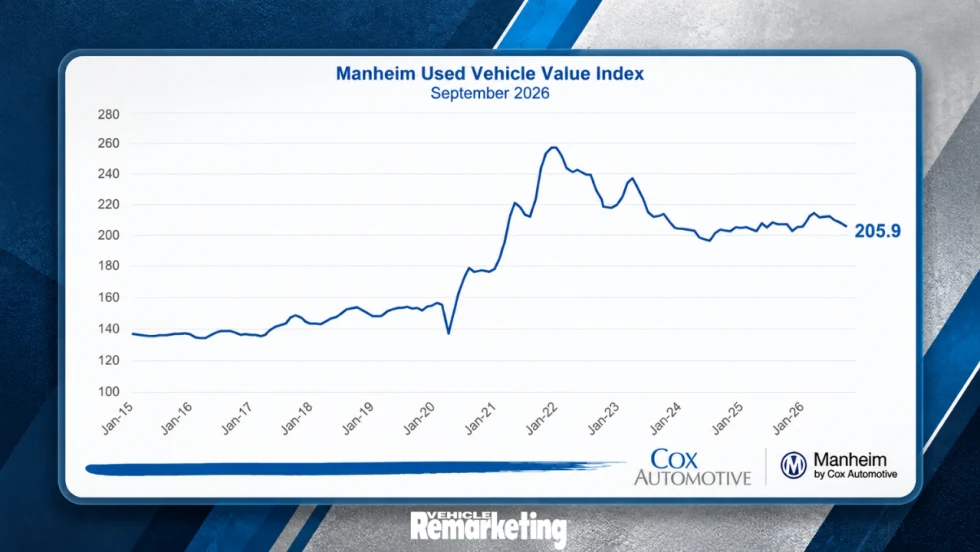
Wholesale Used-Vehicle Values Fall as Cox Automotive Cuts 2026 Forecast
Wholesale used-vehicle prices declined in September as depreciation accelerated, prompting Cox Automotive to lower its year-end forecast.
Read More →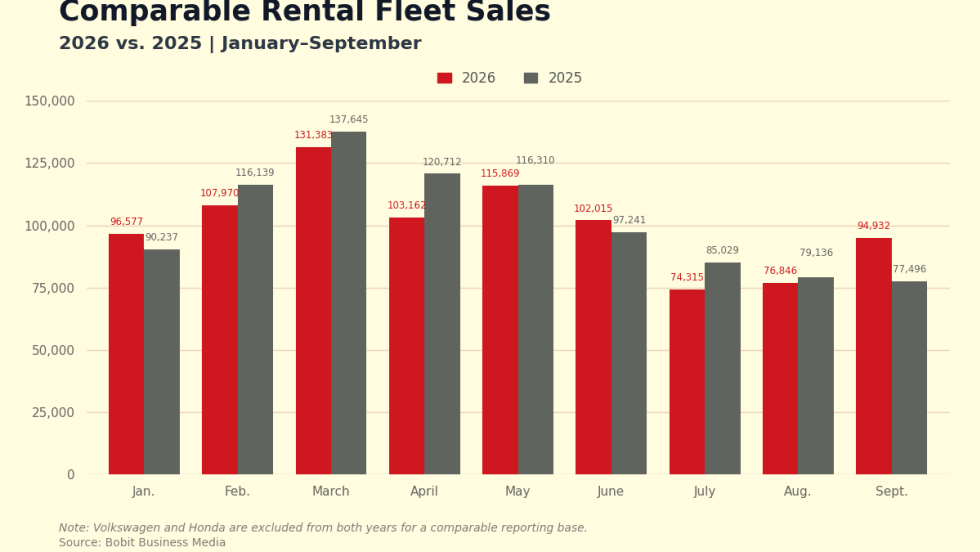
September Rental Fleet Sales Jump 22.5%, Narrowing Year-to-Date Decline
Comparable rental fleet sales remained 1.8% below 2025 through September, as a stronger month cut the year-to-date shortfall by more than half.
Read More →
Advantage, Sixt Place Among Top Five in Annual Satisfaction Study
While Enterprise and National retain the top spots in JD Power’s 2026 rankings, the latest customer satisfaction results suggest renters can find competitive service beyond the biggest car rental names.
Read More →
ACRA 2026 Annual DC Industry & Policy Conference in Photos
Car rental made its voice heard on Capitol Hill Sept. 22-25.
Read More →
The $100,000 Insurance Trap in Exotic Car Rentals
Exotic rental agencies often rely on customers’ personal auto policies to protect six-figure vehicles. But policy language can dramatically change the coverage for vehicles over $100,000 MSRP.
Read More →
How Operators Will Work With Their RMS in the Age of AI
AI embedded directly into rental management systems could change how operators analyze their businesses and take action, while raising new questions about permissions and control.
Read More →