




Electric Scooters Aren’t Zero Emissions
Electric scooter may not directly emit emissions but do contribute greenhouse gases factoring in charging. However, they contribute 59% less CO2 per mile than the average car.
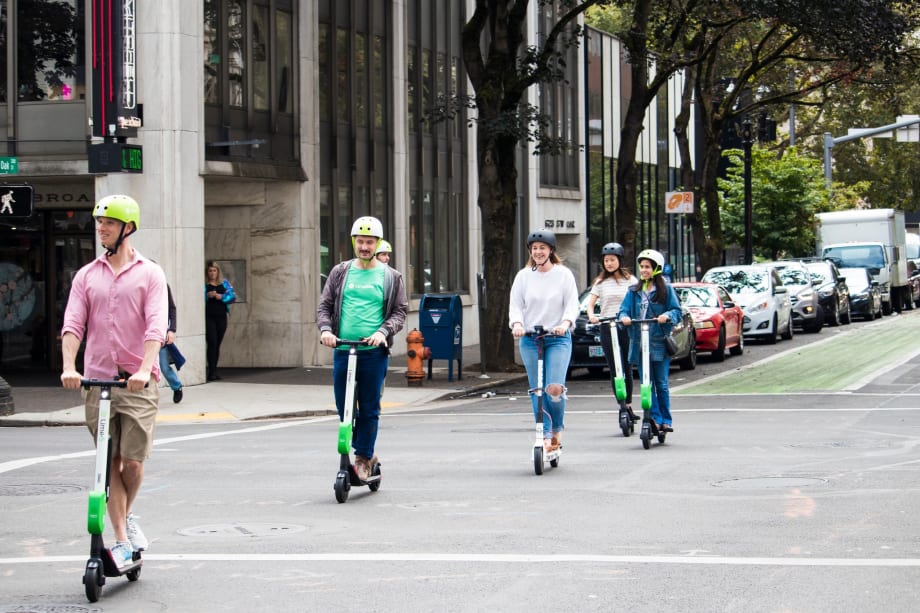
Photo via Flickr.
Electric Scooter Insider has unveiled that electric scooters may not be as good for the environment as they lead on to believe. The site reviews and recommends the best electric scooters to consumers and has uncovered the truth behind the real environmental impact of electric scooters.
Electric Scooter Insider calculated the CO2 per kilowatt-hour for delivered electricity and combined this with the time needed to charge an electric scooter to travel one mile.
This revealed the amount of CO2 released to produce the electrical charge needed to travel per mile on an electric scooter. The amount of CO2 released per mile was then multiplied by the total miles traveled to uncover the environmental impact in 2018.
Electric scooters may not directly emit emissions while being ridden but they do contribute to greenhouse gases once you factor in the environmental impact of charging the scooters.
Shared electric scooters, on average, take 6 hours to fully charge and have the battery power to be ridden for 20 miles. This equates to a charge time of 18 minutes per mile. Combined with the 487.37 grams of CO2 emitted per kilowatt-hour, the electricity needed to charge a scooter per mile results in the release of 146.21 grams of CO2.
There are more Americans riding shared micromobility devices today than at any point in the past. In fact, the National Association of City Transportation Officials revealed that 84 million trips were taken on shared micromobility in 2018, more than double 2017 figures. With the widespread popularity, 38.5 million of those trips were taken on electric scooters.
Electric scooter riders average 1.5 miles per trip and when combined with the 38.5 million trips, approximately 57.75 million miles were traveled on electric scooters in 2018. The extensive use of electric scooters has, therefore, had a direct impact on the environment resulting in the release of 9,308 tons of CO2, equivalent to the energy use of an average house for 650 years.
Although electric scooters contributed 9,308 tons of CO2 in 2018, this is far less than what the potential environmental impact could have been if electric scooters were not introduced. If those 57.8 million miles were completed by traditional transport methods (cars), the amount of CO2 emitted would be more than double (22,720 tons).
Despite not being a completely clean method of transportation, they contribute 59% less CO2 compared to the average car in America (356.91 grams of CO2 per mile of gasoline consumption).
Originally posted on Automotive Fleet
More Green Fleet

Fleet Forward Conference Introduces One-Day Passes for 2026
New one-day registration gives fleet professionals the flexibility to attend Tuesday, Wednesday, or Thursday, with passes available for $199 through Sept. 18.
Read More →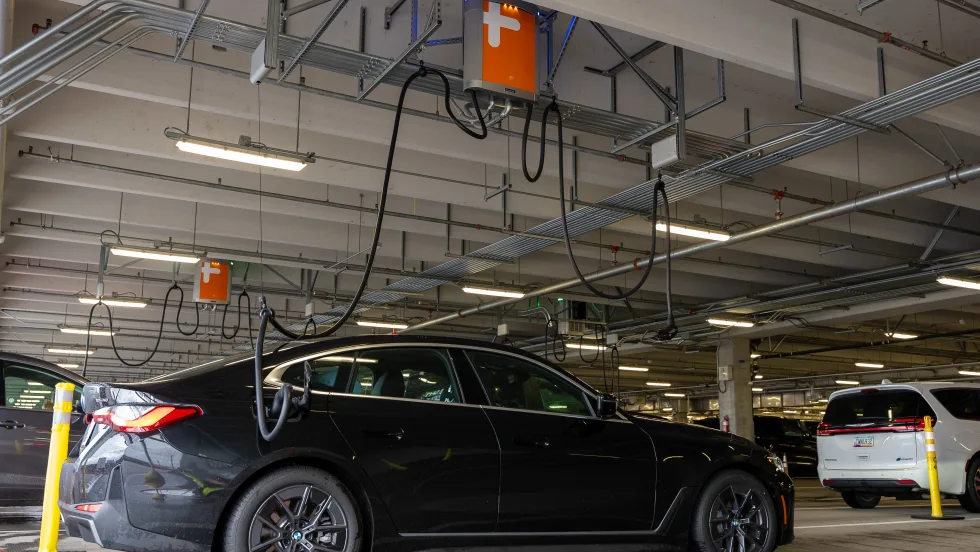
Portland Airport Adds Overhead EV Charging for Rental Fleets
The design is intended to address challenges associated with installing chargers in busy rental-car facilities.
Read More →
Running A Profitable Electric Rental Fleet
How do you successfully operate an all-electric rental car fleet? Whether you manage a rental fleet or another commercial fleet, this conversation offers practical lessons on deploying, operating, and scaling electric vehicles.
Read More →
Green Motion Expands Into Japan With Master Franchise Agreement
Japan's tourism industry, business travel market, and demand for vehicle rental services are reasons the country represents an important market for the company.
Read More →
Green Motion Expands Its African Presence with Mozambique Launch
This new rental car outlet reflects the growing demand for reliable transportation and the emphasis on sustainable travel across the continent.
Read More →
Survey: New Tech Tools, Sharper Pricing Plans, and Focused Service Can Improve Rental Car Industry
ICRS 2025: What are key trends, challenges, and opportunities confronting rental car operators this year?
Read More →
Green Motion Adds South Korea to Its Asian Service Region
The first Green Motion locations in South Korea are scheduled to open in key travel hubs during the coming months, including Seoul, Jeju, and Busan International Airports.
Read More →
Federal Highway Administration Halts EV Charger Funding, Delaying National Expansion Plans
The FHWA has rescinded funding for the NEVI Formula Program, delaying nationwide EV expansion as policies undergo federal review.
Read More →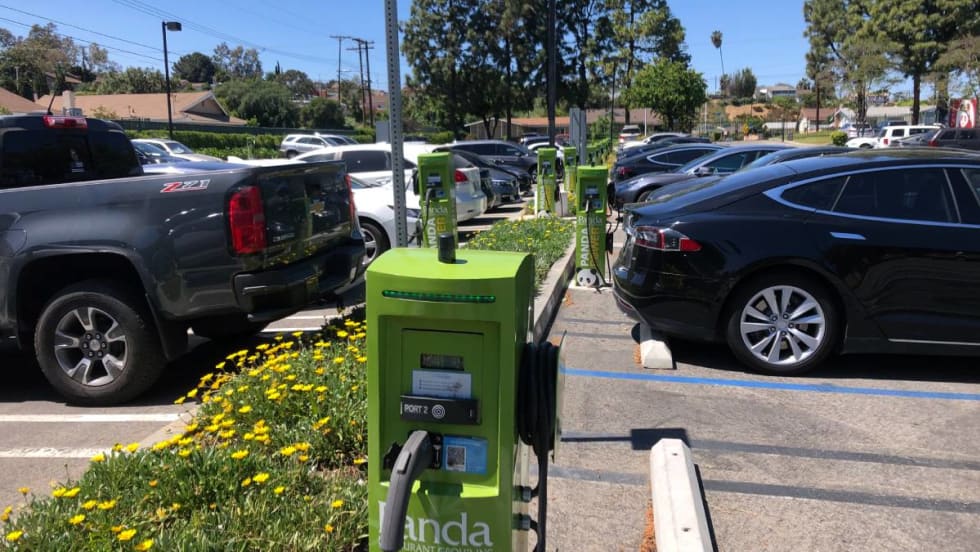
Operator Outlook: EVs Slow to Charm Rental Car Industry
2025 ARN Fact Book: Electric vehicles still must prove their reliability and worth in a fleet sector that puts rolling metal on the ground 24/7 for a demanding customer base.
Read More →
Green Motion Opens Franchise in Germany’s Most Populous State
The rental car outlet brings its hybrid and electric vehicles and sustainable approach to business to one of Europe’s most economically powerful regions.
Read More →