




Avis’s Connected Car Initiatives Bearing Fruit Sooner than Expected
Avis’s expansion of its TNC rentals program depends on its ability to manage vehicle mileage and telemetry, made possible by a connected car.


Avis intends to expand its TNC rentals exponentially, by implementing continued use of connected cars.
Photo via Lyft.
Avis Budget Group’s second quarter conference call outlined how the company’s connected car initiatives are beginning to bear fruit right now.
As a quick refresher, the “connected car” is a telematics-enabled vehicle that allows the company to locate it on demand, collect vehicle data, and access the vehicle for on-demand rentals.
Globally, Avis has 165,000 vehicles connected with plans to connect a total of 200,000 units by year end. (The company had been reporting a goal to connect its entire global fleet by 2020. Let’s reiterate the word “goal.”)
Nonetheless, Larry De Shon, Avis Budget Group’s CEO and president, De Shon outlined what’s happening with those 165,000 units today and the greater opportunities for them.
With a connected fleet, it’s easier to keep track of mileage. This is critical in high-mileage rentals to drivers for Transportation Network Companies (TNCs) such as Lyft. Not only can Avis manage mileage thresholds to protect their resale value, they can monitor engine performance and avert breakdowns before they happen.
Avis intends to expand its TNC rentals exponentially, so it’s critical to be able to pull those vehicles out of fleet before they reach their optimal mileage band for the secondary market.
Because a vehicle’s fuel gauge has never been an accurate reading of the gasoline in a vehicle, the benefit of understanding a rental vehicle’s fuel levels precisely can’t be overstated.
Avis reported over $1 of incremental fuel recovery on each connected car rental in the second quarter. That’s huge. And if you’re asking a renter to pay for the exact amount of fuel they used, being able to share it with certainty is a customer service win.
Carsharing doesn’t work without a connected car. De Shon outlined the Zipcar Flex initiative, which allows users to take a Zipcar one way to Heathrow, where they have designated parking at the terminal.
Zipcar Flex is a small step now, but a giant one toward the future of how car rental companies can provide seamless, more efficient airport access — crucial in the era of Uber and Lyft drop offs.
In that vein, the Avis partnership with Via, a growing micro-transit mobility company, depends on connectivity. This puts Avis in the Mobility as a Service (MaaS) spectrum, in which a traveler can seamlessly switch from one travel mode to another (light rail, e-scooter, ride hail, or rental car) in the same journey.
Lastly, Avis is starting to realize a revenue stream from its Otonomo partnership. Otonomo, a global automotive data services platform, represents the new frontier of the marketplace of vehicle data.
De Shon mentioned an example of J.D. Power using the data to provide insights into customer trends. Geolocation of a rental car and vehicle telemetry is just beginning to be monetized.
These tangible benefits to the connected car make one of my prognostications from earlier this year, that car rental wouldn’t see the benefits from connected car initiatives in 2019, partially off base.
Avis had a good quarter, reporting increases in rental days, pricing, and ancillary revenues, along with improvements in utilization and a reduction in fleet cost. Certainly, the car rental industry (in the U.S., at least) has benefitted from a stronger-than-anticipated used car market, a good economy, and strong travel demand this year.
But Avis’s connected car initiatives played a small but growing role. Results were incremental, but directional toward greater benefits to come. We’ll take it.
More Blog Posts

What Happens During a “Day on the Hill?”
Walking into a congressional office to discuss legislation certainly is outside the normal workday for most of us. But it’s a worthy, fun, and meaningful experience.
Read More →
What New Tariff Uncertainty Means for Rental Fleet Planning
Automakers won’t relocate production overnight, but uncertainty over Canadian tariffs could affect vehicle pricing, sourcing, and allocation well before the proposed Jan. 1 deadline.
Read More →
I'm Back
Life moves forward, as it inevitably does, but it sometimes seems to move in circles too. You end up in a different place, but you never close a door. Because you may walk back through it again.
Read More →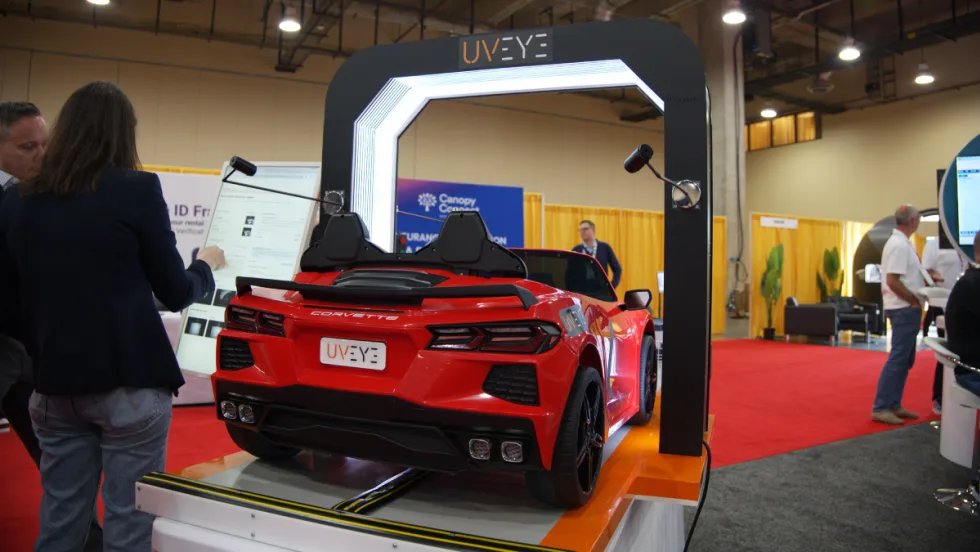
AI Can Supply The Damage Data, But Operators Must Apply The Judgments
The rental car industry held its first open discussion about the most controversial issue of the past year. Here are some key lessons, takeaways, and viewpoints.
Read More →
ICRS 2026 Countered The AI Drama, Thanks To These Panelists
One of my favorite sessions laid out the AI techno-optimism available to rental car operators ready to adapt their services for the decades ahead.
Read More →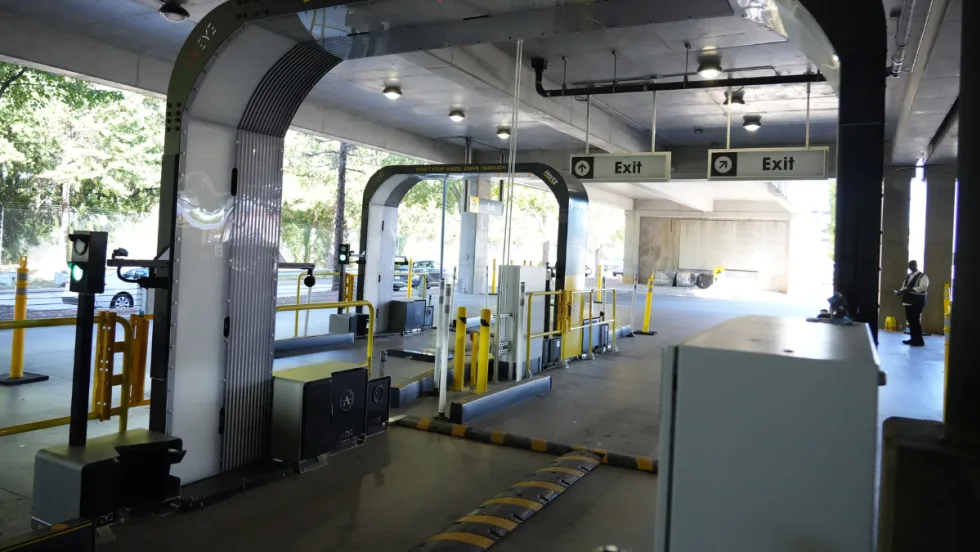
Why Is JFK’s Grandson Interested In Your Rental Fleets?
Car rental operations should follow consistent practices when applying AI to vehicle damage assessments.
Read More →
‘Zero Friction’ Is The New Buzz Phrase for ICRS
This year’s International Car Rental Show hits the hot buttons on industry change and challenges.
Read More →
Rental EV Adoption Requires Local, Targeted Approach
The EV frenzy of the last few years has disillusioned the motoring public about going all-electric. Now it’s time to meet the market where it’s at.
Read More →
Why Car Rental Operations Must Use AI To Gain More Renters
A race has started between generations embracing AI and companies willing to adapt it to their operations.
Read More →
Speed Overtakes Car Rental Industry Practices
Technology, data, and digital advances are combining to create a business climate full of information, impatience, and instant results.
Read More →