




Federal Government To Require Stability Control In All Vehicles
The National Highway Traffic Safety Administration estimates it will cost automakers $1 billion to put electronic stability control systems on all new vehicles.
The National Highway Traffic Safety Administration (NHTSA) is expected to order all new cars to have electronic stability control systems to help prevent rollovers and other crashes, according to news reports.
Some safety groups worry that the measure will not be tough enough, citing that the Transportation Department’s ruling will not even meet steps that domestic and overseas automakers have already adopted, especially for high rollover risk vehicles like SUVs.
The stability control systems work by using electronic sensors throughout the car that sense when the car is about to lose control, the system then makes minimal adjustments to braking and steering to avoid crashes.
The government estimates that stability control systems could save between 5,300 and 10,300 lives annually, and prevent 250,000 injuries. Over a quarter of all crash fatalities occur in rollover accidents, about 10,000 deaths a year, according to NHTSA.
Some fear that the new regulation will be too accommodating to carmakers that have not yet installed the system and allow them to use cheaper, less advanced stability systems.
Currently more than half of all new models and nearly 90 percent of sport utility vehicles already have the technology, and major carmakers such as Ford, General Motors, Chrysler, and Toyota have voluntarily been working on implementing crash-avoidance technology into their cars. The systems are marketed as a safety feature to attract customers.
More Rental Operations

Turo to Launch Vehicle Delivery Service
Turo Delivered will let travelers search for vehicles that hosts can deliver directly to hotels, homes, airports, train stations, and other locations.
Read More →
Palm Beach Airport Code Change Creates Car Rental Distribution Gap
A test of rental searches under the old PBI and new DJT airport codes returned largely different sets of brands and vehicles, highlighting a potential distribution problem for rental operators.
Read More →
U-Save Continues Dominican Republic Expansion with Launch in Punta Cana
The new franchise location builds on U-Save’s existing Santo Domingo operation and will begin taking reservations for October 2026.
Read More →
When AI Books the Rental Car, Who Controls the Sale?
As AI moves from comparing rental rates to completing transactions, operators need to understand how travelers find, interpret, rank, and ultimately see their offers. (Part 2 of 2.)
Read More →
European Booked Car Rental Rates Fell 5%, Results Varied by Country
Ireland, Cyprus, and the United Kingdom saw steep declines, while booked rates rose in Poland and Hungary.
Read More →
Is It Time to Rethink Rental Categories?
As traditional economy and compact cars disappear from the market, longtime rental operator Mike DeLorenzo asks whether the industry’s familiar vehicle categories still make sense — and what operators need to rethink along with them.
Read More →
Who Owns the Rate? AI Is Creating a New Distribution Problem for Car Rental
Generative Engine Optimization asks whether AI can find a rental company, but operators also need to know whether the agent inspected enough of the market, compared equivalent offers, and presented a rate the traveler can actually book. (Part 1 of 2)
Read More →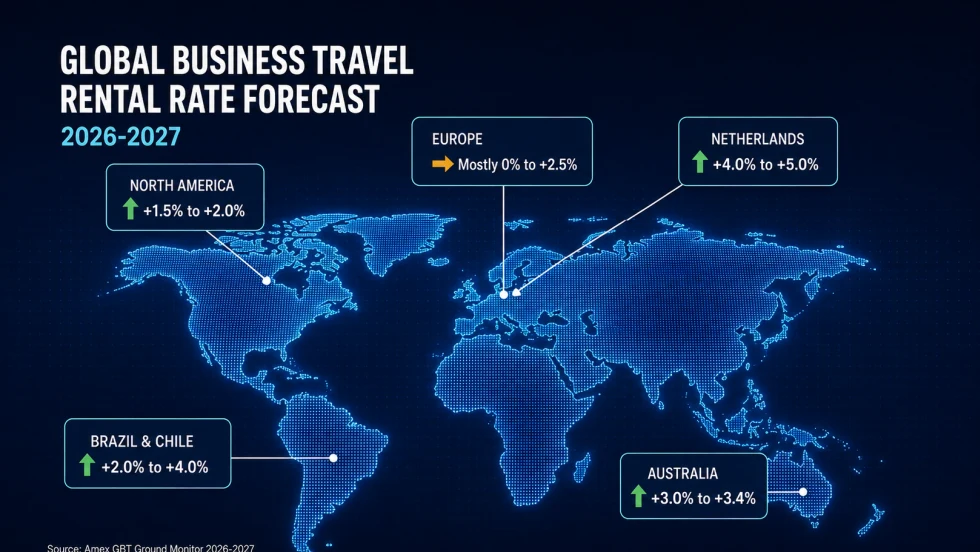
U.S. Business Travel Car Rental Rates Forecast to Rise Up to 2%
Improved fleet supply should limit pricing gains in 2026-27, while insurance, repair costs, and softer residual values continue to pressure rental operations, according to Amex GBT.
Read More →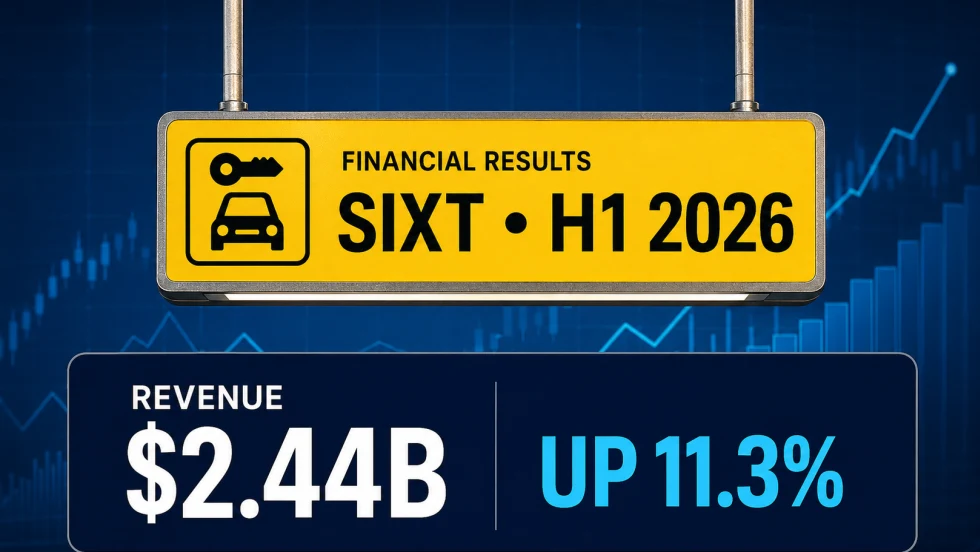
Sixt Revenue Tops $2.4 Billion in First Half of 2026
Sixt’s first-half revenue surpassed $2.4 billion for the first time as demand outpaced fleet growth, lifting utilization and earnings despite weaker consumer sentiment in North America.
Read More →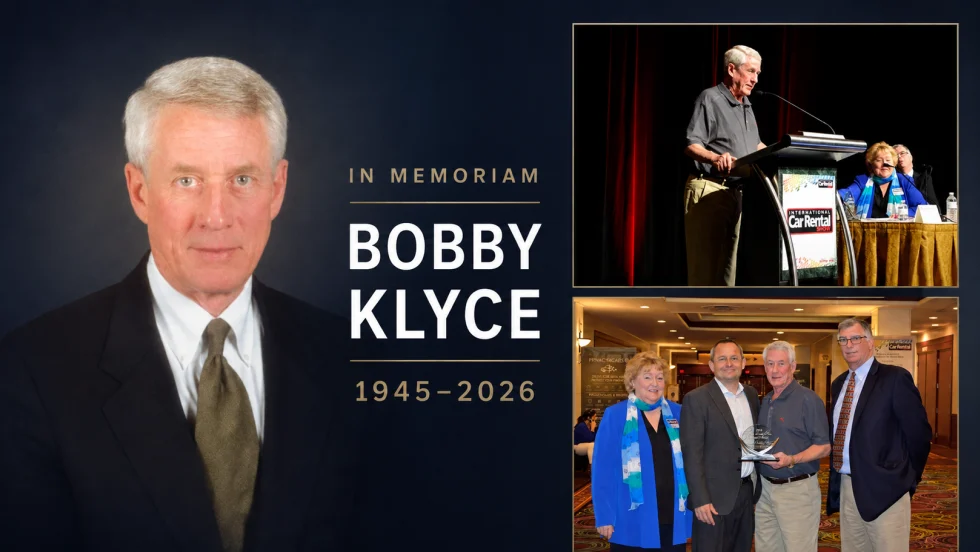
In Memoriam: Bobby Klyce, Avis Licensee Legend
The longtime Birmingham Avis operator and 2018 Auto Rental News Impact Award recipient was remembered as an advocate for independent licensees and the broader car rental industry.
Read More →