




See Also: Tesla, Ford Attract Most EV Buyers
New Vehicle Prices Set Record in June
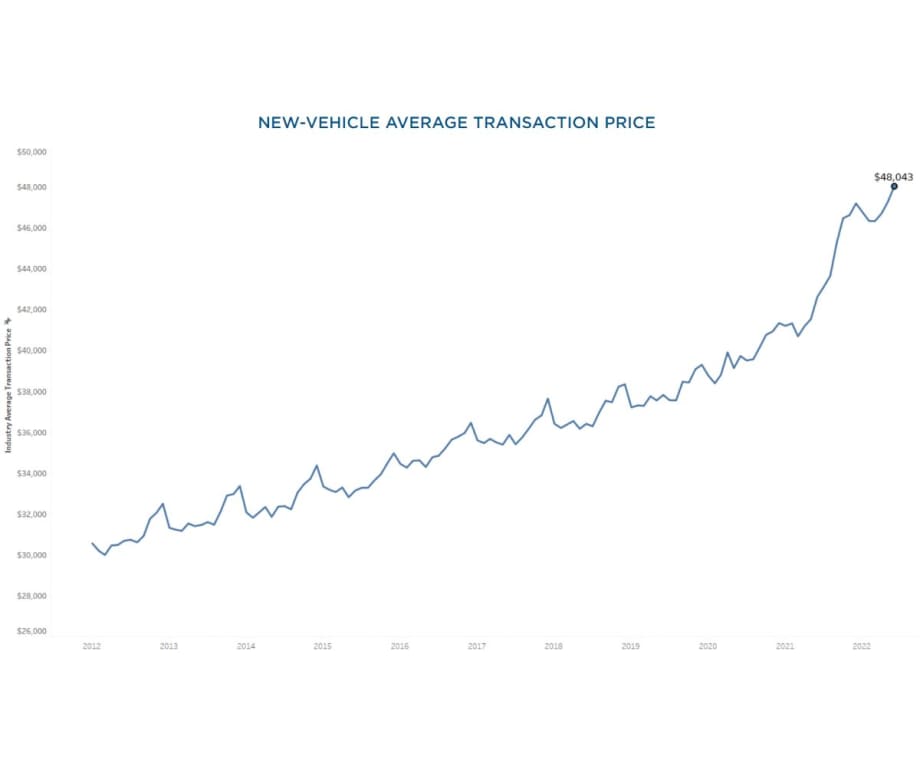
According to data from Kelley Blue Book, the average transaction price (ATP) for a new vehicle surpassed the $48,000 mark in June, the highest ATP on record.
July 14, 2022
In June, the average price paid for a new non-luxury vehicle was $43,942, the highest price for a non-luxury vehicle on record. In the non-luxury segment, customers paid on average $1,017 above sticker price.
Source: Cox Automotive
3 min to read
In June, the average price paid for a new vehicle was the highest on record and marked the first time that the average transaction price (ATP) surpassed the $48,000 mark, according to new data released by Kelley Blue Book, a Cox Automotive company.
The new-vehicle ATP increased to $48,043 in June 2022, according to Kelley Blue Book, beating the previous high of $47,202 set in December 2021. June prices rose 1.9% ($895) from May and were up 12.7% ($5,410) from June 2021.
After being in the mid-30s since mid-January, new-vehicle inventory days’ supply inched up to the high 30s in June. Customer demand remains strong due to continued supply issues. These conditions enabled most dealers to continue selling inventory at or above the manufacturer’s suggested retail price (MSRP).
The average price paid for a new vehicle has been “over sticker” throughout 2022. In June, new vehicles from Honda, Kia, and Mercedes-Benz were transacting on average between 6.5% and 8.7% over MSRP. On the other side of the spectrum, Buick, Lincoln, and Ram were selling at nearly 1% below MSRP.
In June, the average price paid for a new non-luxury vehicle was $43,942, up $615 from May, the highest price for a non-luxury vehicle on record, according to Kelley Blue Book. Car shoppers in the non-luxury segment paid on average $1,017 above sticker price. In each month of 2022, consumers have paid roughly $1,000 more than MSRP compared to $158 over MSRP in June 2021.
"While prices for the industry are, on average, higher than MSRP, there are some non-luxury segments that are more affordable such as compact cars and compact SUVs/crossovers," said Rebecca Rydzewski, Cox Automotive’s research manager of economic and industry insights. “These segments are selling for more than 30% less than the industry average transaction price.”
In June 2022, the average luxury buyer paid $66,476 for a new vehicle, up $1,097 month over month, the highest price for a luxury vehicle ever. For comparison, luxury vehicles were selling for nearly $825 under MSRP one year ago. Luxury vehicle share remains high and increased to 18% of total sales in June, up from 17.3% in May.
In June, the average price paid for a new electric vehicle (EV) increased by 3.8% compared to May and 13.7% compared to a year ago. The average price for a new electric vehicle – over $66,000, according to Kelley Blue Book estimates – is above the industry average and more aligned with luxury prices versus mainstream prices. Hybrid/alternative energy vehicles are selling at just over $39,000 in June, a $3,593 increase over May and an $8,453 increase versus a year ago.
Month over month, new-vehicle average transaction price changes (by segment) saw prices mixed in terms of increases and decreases. With an ATP of $39,040, hybrid/alternative energy cars had the largest increase of $3,593. With an ATP of $66,997, electric vehicles saw an increase of $2,444 in June, while vans increased by $658 to an ATP of $50,126. The different car segments showed minor increases in average transaction price in June versus May.
Also in extremely short supply, compact cars were up only $146 (or 0.6%), while mid-size cars were up 1% (or $325) for the month. Luxury cars showed a 6.4% decrease in ATP and full-size cars showed a 0.2% decrease.
Meanwhile, electric vehicles had the lowest incentives (as a percentage of ATP) of 0.4%, and entry-level luxury cars had the highest of 3.4%. Incentives dropped to a record low level in June, averaging only 2.3% of the average transaction price, according to Kelley Blue Book.
Originally posted on Automotive Fleet
More Fleet Acquisition
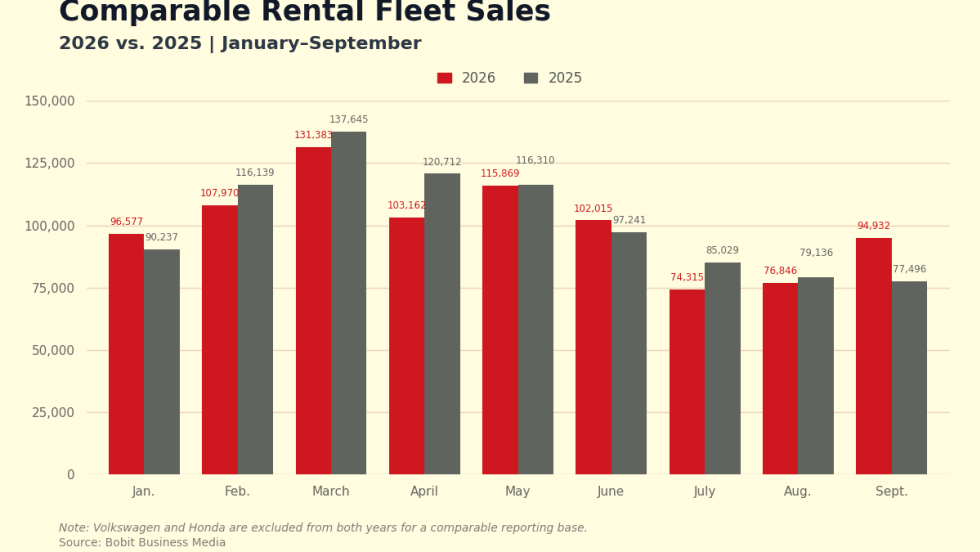
September Rental Fleet Sales Jump 22.5%, Narrowing Year-to-Date Decline
Comparable rental fleet sales remained 1.8% below 2025 through September, as a stronger month cut the year-to-date shortfall by more than half.
Read More →
Rental Vehicle Orders Remain Steady Amid Supply Concerns
With Hyundai’s South Korean strike creating uncertainty for 2027-model-year deliveries, Mike Muehlenfeld of Walser Automotive Group says rental operators are maintaining normal purchasing levels and generating strong returns at disposal.
Read More →
Global Carsharing Fleet Projected to Reach 768,000 Vehicles By 2030
A new Berg Insight forecast outlines several business models driving the projected growth in public carsharing worldwide through 2029.
Read More →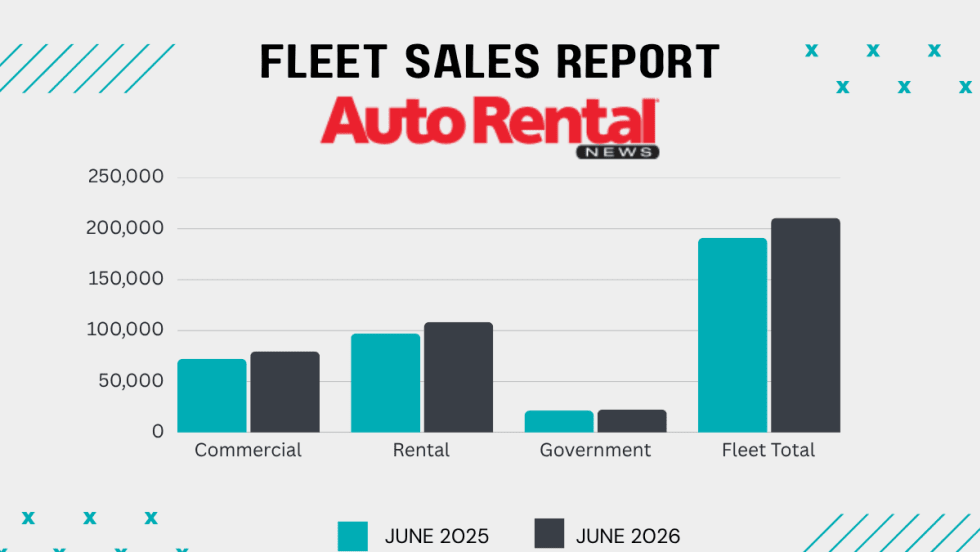
Rental Car Fleet Sales Show Mid-Year Strength
June gains ensured rental fleets closed out the first half of 2026 in positive territory.
Read More →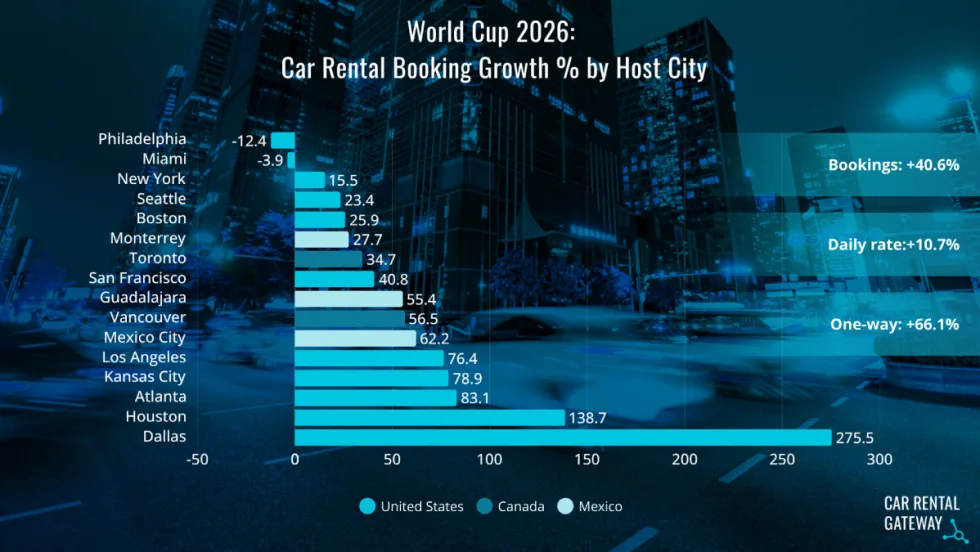
World Cup Travel Data Shows Longer Car Rentals and More One-Ways
A recent analysis of FIFA bookings found varied demand patterns that influenced rental car pricing.
Read More →
A Leveling Force: AI Morphs Into A Rental Car Profit-Seeker
Revenue managers can’t match the emerging AI tools gobbling lots of data that could counter the competitive race to the rate bottom.
Read More →
Rethink The Future To Avert A Race To The Bottom
Rental car operators heard a sobering industry message and a stern challenge at the close of the International Car Rental Show.
Read More →
DriveItAway, Free2move Plan Shared Fleet Program for Independent Rental Fleet Operators
Vehicles would be placed with participating rental operations to support car renter demand and provide additional fleet capacity.
Read More →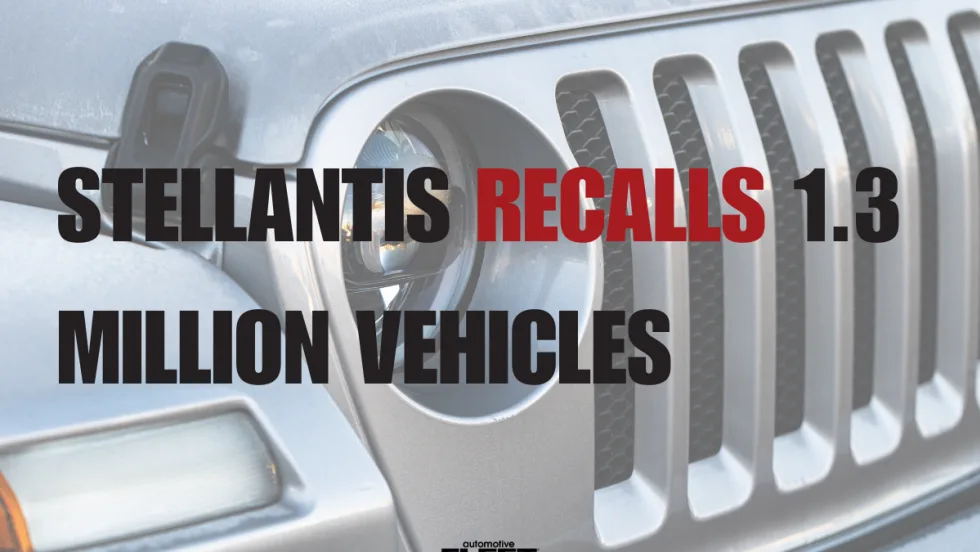
Stellantis Recalls 1.3 Million Jeep Vehicles Worldwide Over Fire Risk
Stellantis is recalling more than 1.3 million Jeep Wrangler and Gladiator models worldwide over a fire risk linked to power steering pump wiring.
Read More →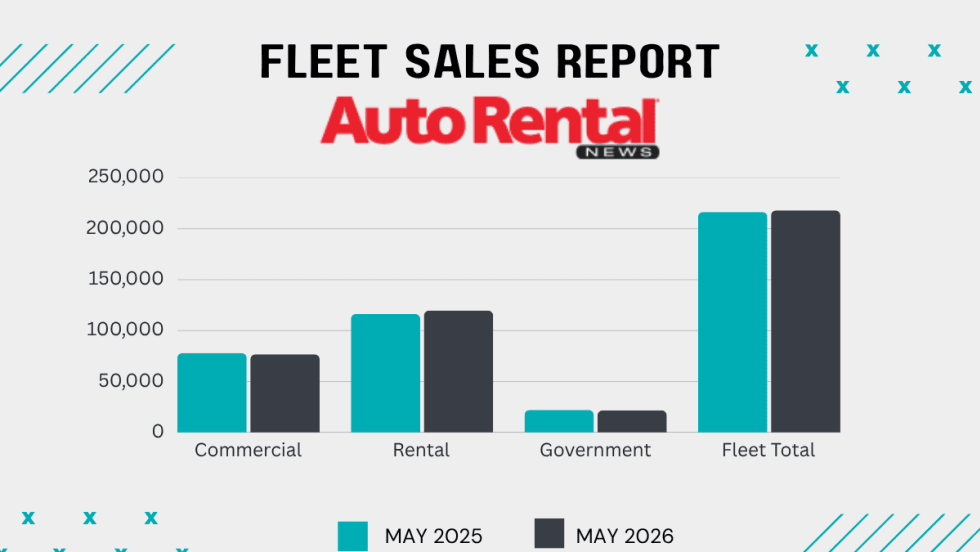
Rental Fleet Sales Skating Just Above 2025 Levels
The U.S. economy's continued growth and positive business investment are creating a favorable environment for fleet vehicle demand.
Read More →