



NHTSA Rule to Regulate Black Box Devices
Privacy, safety concerns prompt lawmakers reconsider all types of car-tracking devices; five states currently have regulations in place.
In August, federal safety regulators outlined minimum requirements for "black boxes" in vehicles, but stopped short of mandating them, Detroit News reports.
The National Highway Traffic Safety Administration (NHTSA) issued a new rule to take effect in September 2010 that says the devices, officially known as "event data recorders," must be made more durable, that all automakers must collect the same type of data from them and must notify consumers in owners’ manuals if their vehicles are equipped with the devices.
NHTSA said the rule will enhance the value of automatic crash notification systems, including an enhanced 911 emergency response system under development, by making it easier for vehicles equipped with rapid crash notification features to provide information to emergency personnel.
NHTSA said 64 percent of all 2005 vehicles had event data recorders, but that number has risen significantly. Unlike airplane black boxes, black boxes in cars don't record voices. They typically record the short period before an air bag deploys and then the crash itself. Without a crash being severe enough to prompt an air bag deployment, no data is recorded, according to Detroit News.
Five states have adopted disclosure regulations to clarify when law enforcement may retrieve data. States are split on whether police need to obtain a warrant to get the data. Some privacy advocates have voiced concern about the data falling into the wrong hands or about "spying" on drivers.
Cars can also be tracked through E-ZPass or other automatic toll payment systems. A Connecticut rental car agency used GPS devices to monitor customers' driving habits and fined them if they sped. Mindful of the concern of some drivers, some states are considering banning the practice.
On July 1, a new law took effect in New Hampshire that prohibits state "surveillance" of vehicles "through the use of a camera or other imaging device or any other device, including but not limited to a transponder, cellular telephone, global positioning satellite, or radio frequency identification device."
More Rental Operations
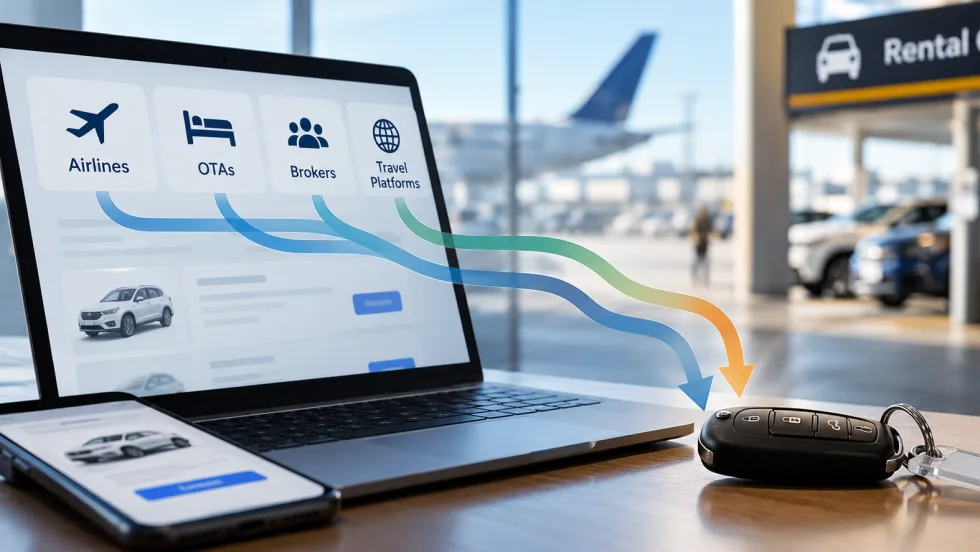
Direct, Broker or Hybrid? How Travel Retailers Source Rental Cars
As travel retailers weigh direct supplier relationships against third-party distribution, rental operators need to understand how those decisions affect their business.
Read More →
How Did This Independent Rental Operator Grow to 170 Vehicles in 4 Years?
With 170 vehicles across three Kentucky locations, Joel Price relies on an overseas team to handle reservations, payments, and after-hours customer service. It's one part of an unconventional approach to growing an independent rental operation.
Read More →
What Does It Take to Succeed in B2B Rentals?
The fundamentals may be familiar to daily car rental operators, but project-based truck rentals put different demands on the fleet and the business.
Read More →
NPR Builds on International Partnerships to Grow Rental Bookings
With Ana Laborde supporting broker development, NPR Auto Group is tailoring distribution strategies, rate packages, and partnerships to grow international reservations across its three brands.
Read More →
Advantage, Sixt Place Among Top Five in Annual Satisfaction Study
While Enterprise and National retain the top spots in JD Power’s 2026 rankings, the latest customer satisfaction results suggest renters can find competitive service beyond the biggest car rental names.
Read More →
The $100,000 Insurance Trap in Exotic Car Rentals
Exotic rental agencies often rely on customers’ personal auto policies to protect six-figure vehicles. But policy language can dramatically change the coverage for vehicles over $100,000 MSRP.
Read More →
The Booking Is Confirmed, But Is Your Customer Ready to Drive?
For international renters, a confirmed reservation doesn’t always mean they’re eligible to drive. Earlier checks can help operators catch documentation and payment issues before the customer reaches the counter.
Read More →
ICRS 2027 Opens Call for Papers
The International Car Rental Show seeks session proposals on the business, operational, and technology issues facing car rental operators. Submissions are due Jan. 15.
Read More →
Turo to Launch Vehicle Delivery Service
Turo Delivered will let travelers search for vehicles that hosts can deliver directly to hotels, homes, airports, train stations, and other locations.
Read More →
Palm Beach Airport Code Change Creates Car Rental Distribution Gap
A test of rental searches under the old PBI and new DJT airport codes returned largely different sets of brands and vehicles, highlighting a potential distribution problem for rental operators.
Read More →