




With Rail Project's Future in Doubt, N.C. Officials Seek to Re-Examine Rental Tax
RALEIGH, N.C. -- After the Triangle Transit Authority received a low rating from the Federal Transit Administration in December, many area officials are seeking to re-examine and possibly redirect the local funding source – a 5% rental car tax.
RALEIGH, N.C. -- After the Triangle Transit Authority received a low rating from the Federal Transit Administration in December, many area officials are seeking to re-examine and possibly redirect the local funding source – a 5% rental car tax – for the 12-station, 28-mile public transportation project that would serve Wake, Orange and Durham counties.
The tax has collected an average of $7 million a year since it was implemented Jan. 1, 1998, according to Carter Worthy, chair of the TTA board of trustees.
That money, she says, has been gone towards the capital budget for the rail project including planning, real estate and design. But some believe the funding plans were unrealistic to begin with.
"They said, 'We're bringing all of this money back to North Carolina,' but nobody said anything about the operational costs," said Wake County Commissioner Phil Jeffreys.
And those costs are part of what earned the project a low rating in the first place.
The FTA rates transit proposals based on cost effectiveness, operating efficiencies, environmental benefits, mobility improvements and land use.
Right now, the TTA project is not deemed as cost effective, with predictions of low ridership. It will be re-evaluated Sept. 30.
If the project doesn’t get the FTA’s approval, then it wouldn’t receive the federal funding needed to support 60% of the transit’s budget. The rental car tax accounts for part of the 20% in local funding, with an additional 20% coming from the state if the project moves forward.
Worthy said that, in general, there are tremendous funding gaps for local transportation, and repealing an existing revenue stream is "unthinkable."
But Jeffreys feels that the money could still be used for transportation by directing it to construction of the southern loop of the 540 bypass, which stretches around the region.
In regard to keeping with transportation, Worthy agrees.
"If this project were to get sidetracked, then some other solution would have to rise up to address that same demand that we’ve got for more mobility in our region," she said.
Though the TTA is working toward preserving the project – and its funding – termination of the plan is a possibility. In that case, the rental tax, and money coming from it, would have to find another public project to fund.
In order to redirect the tax, the matter would have to go before the state's General Assembly.
More Rental Operations

ICRS 2027 Opens Call for Papers
The International Car Rental Show seeks session proposals on the business, operational, and technology issues facing car rental operators. Submissions are due Jan. 15.
Read More →
Turo to Launch Vehicle Delivery Service
Turo Delivered will let travelers search for vehicles that hosts can deliver directly to hotels, homes, airports, train stations, and other locations.
Read More →
Palm Beach Airport Code Change Creates Car Rental Distribution Gap
A test of rental searches under the old PBI and new DJT airport codes returned largely different sets of brands and vehicles, highlighting a potential distribution problem for rental operators.
Read More →
U-Save Continues Dominican Republic Expansion with Launch in Punta Cana
The new franchise location builds on U-Save’s existing Santo Domingo operation and will begin taking reservations for October 2026.
Read More →
When AI Books the Rental Car, Who Controls the Sale?
As AI moves from comparing rental rates to completing transactions, operators need to understand how travelers find, interpret, rank, and ultimately see their offers. (Part 2 of 2.)
Read More →
European Booked Car Rental Rates Fell 5%, Results Varied by Country
Ireland, Cyprus, and the United Kingdom saw steep declines, while booked rates rose in Poland and Hungary.
Read More →
Is It Time to Rethink Rental Categories?
As traditional economy and compact cars disappear from the market, longtime rental operator Mike DeLorenzo asks whether the industry’s familiar vehicle categories still make sense — and what operators need to rethink along with them.
Read More →
Who Owns the Rate? AI Is Creating a New Distribution Problem for Car Rental
Generative Engine Optimization asks whether AI can find a rental company, but operators also need to know whether the agent inspected enough of the market, compared equivalent offers, and presented a rate the traveler can actually book. (Part 1 of 2)
Read More →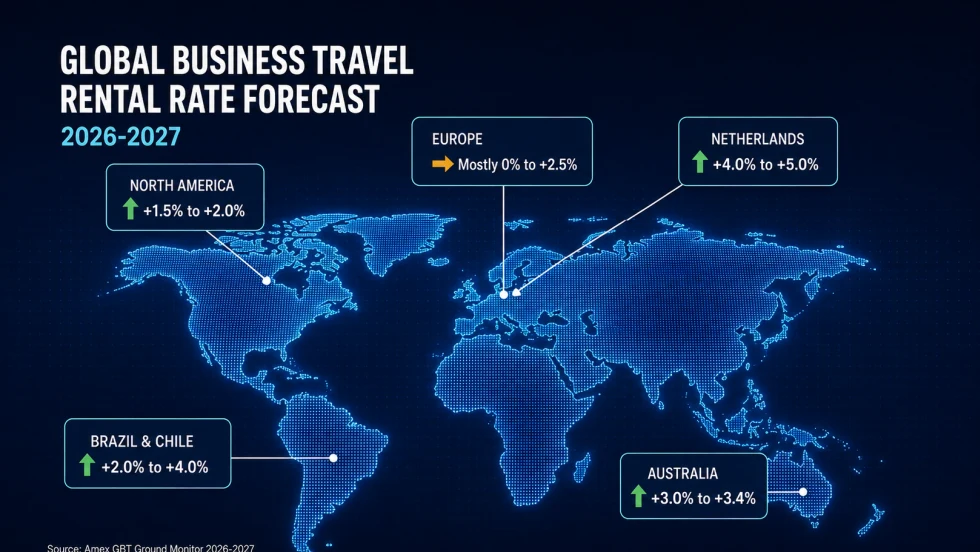
U.S. Business Travel Car Rental Rates Forecast to Rise Up to 2%
Improved fleet supply should limit pricing gains in 2026-27, while insurance, repair costs, and softer residual values continue to pressure rental operations, according to Amex GBT.
Read More →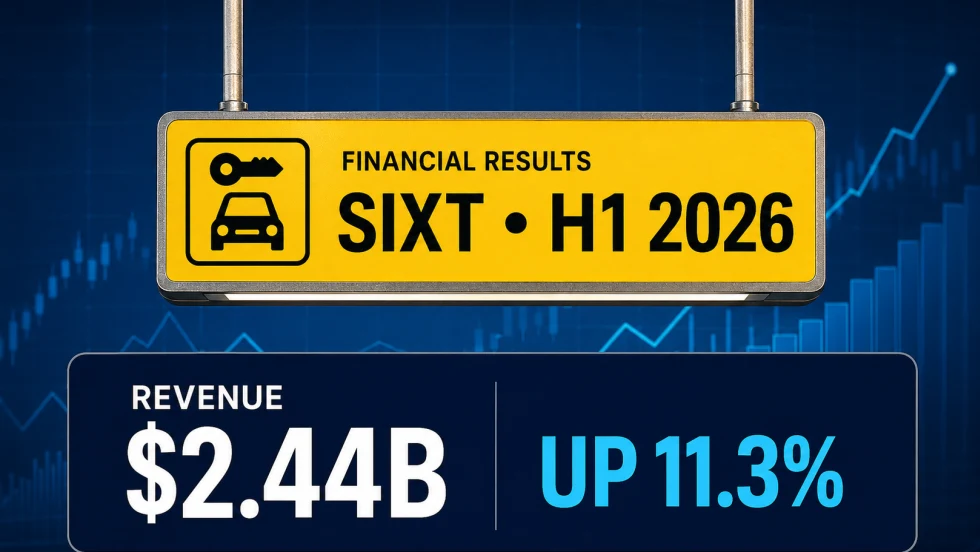
Sixt Revenue Tops $2.4 Billion in First Half of 2026
Sixt’s first-half revenue surpassed $2.4 billion for the first time as demand outpaced fleet growth, lifting utilization and earnings despite weaker consumer sentiment in North America.
Read More →