


Zipcar Releases Survey on Car Sharing Impact
Survey data from Zipcar's Baltimore-area members shows that 18 percent of respondents have sold their vehicles, according to the company.
This press statement was issued by Zipcar on July 18:
Zipcar, Inc., the City of Baltimore and the Parking Authority of Baltimore City celebrate Zipcar's one-year anniversary of operations in Baltimore with the release of survey data from Zipcar's Baltimore-area members documenting Zipcar's impact on the city's transportation landscape. The data reveals that during the past year, Zipcar members in Baltimore, whom the company calls "Zipsters," own fewer cars, drive less and use public transportation more often than they did prior to joining.
Zipcar's expansion to Baltimore was made possible by an innovative partnership with the City and the Parking Authority of Baltimore City as part of a plan to reduce parking demand, congestion, and emissions, while offering citizens affordable personal transportation. The survey data indicate that the service is making progress toward all those goals.
Key findings from the survey include:
Eighteen percent of respondents have sold their vehicles and 46 percent stated that they have avoided buying a car.
Seventy-two percent said being a Zipcar member made it less likely they would buy or lease a car in the future, which could result in fewer personally owned vehicles across the city competing for parking spots.
The number of Zipsters taking five or more car trips in a month has decreased from 38 percent, to 12 percent, and the number of respondents driving fewer than 500 miles per month has increased by more than 17 percent.
Fourteen percent bike more, 21 percent walk more, and 11 percent use public transportation more. More than a third of respondents say they use public transit to get to a Zipcar.
The findings indicate three strong trends: Baltimore area Zipsters are driving less, reducing vehicle ownership and increasing uses of other modes, leading City of Baltimore Mayor Stephanie Rawlings-Blake to believe that the expansion of Zipcar in Baltimore has resulted in fewer car owners overall and sees the partnership as a successful tool for managing parking demand.
"We've shown that by working together, the city and Zipcar can make a positive impact on city life for our residents and businesses," said Rawlings-Blake. "Fewer cars on the streets means less competition for limited parking spaces. It means fewer vehicles in rush hour traffic. And it means less pollution in the air. But best of all, this program offers affordable and convenient transportation at a time when many people in the city are looking for cost-saving options."
Since the program launched in June 2010, Zipcar has expanded to 100 vehicles now parked in convenient locations across the city. To support the City of Baltimore's efforts to increase affordable transportation for all residents, Zipcar also agreed to place vehicles in specific neighborhoods of low-vehicle ownership within 18 months after its official launch in the city. Working with the Parking Authority of Baltimore City and neighborhood associations, Zipcar was able to exceed this commitment within just five months of arriving in Baltimore.
More Rental Operations
Palm Beach Airport Code Change Creates Car Rental Distribution Gap
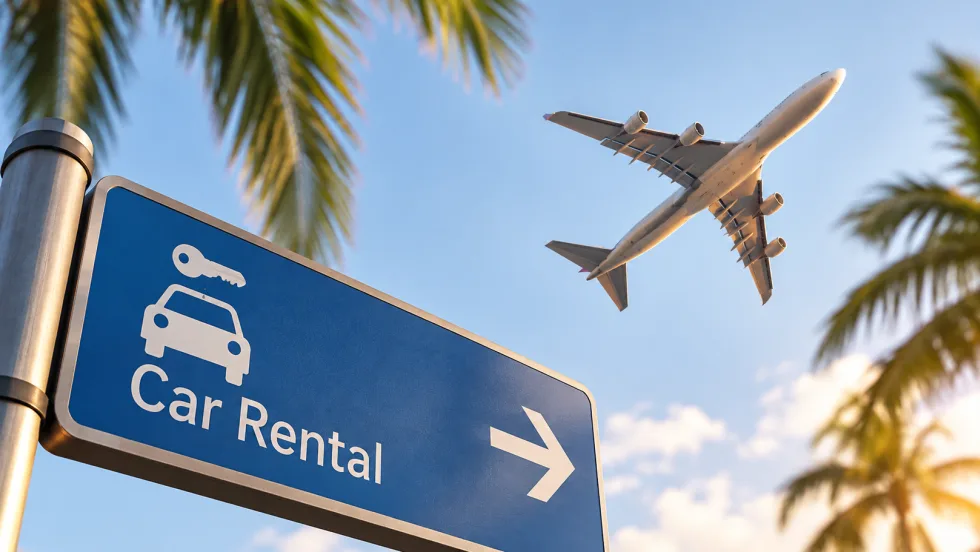
A test of rental searches under the old PBI and new DJT airport codes returned largely different sets of brands and vehicles, highlighting a potential distribution problem for rental operators.
Read More →
U-Save Continues Dominican Republic Expansion with Launch in Punta Cana
The new franchise location builds on U-Save’s existing Santo Domingo operation and will begin taking reservations for October 2026.
Read More →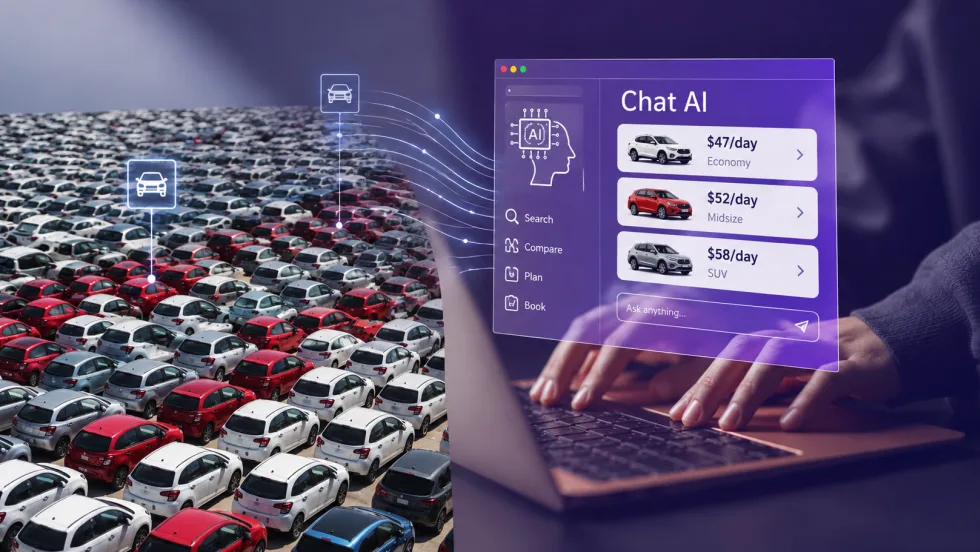
When AI Books the Rental Car, Who Controls the Sale?
As AI moves from comparing rental rates to completing transactions, operators need to understand how travelers find, interpret, rank, and ultimately see their offers. (Part 2 of 2.)
Read More →
European Booked Car Rental Rates Fell 5%, Results Varied by Country
Ireland, Cyprus, and the United Kingdom saw steep declines, while booked rates rose in Poland and Hungary.
Read More →
Is It Time to Rethink Rental Categories?
As traditional economy and compact cars disappear from the market, longtime rental operator Mike DeLorenzo asks whether the industry’s familiar vehicle categories still make sense — and what operators need to rethink along with them.
Read More →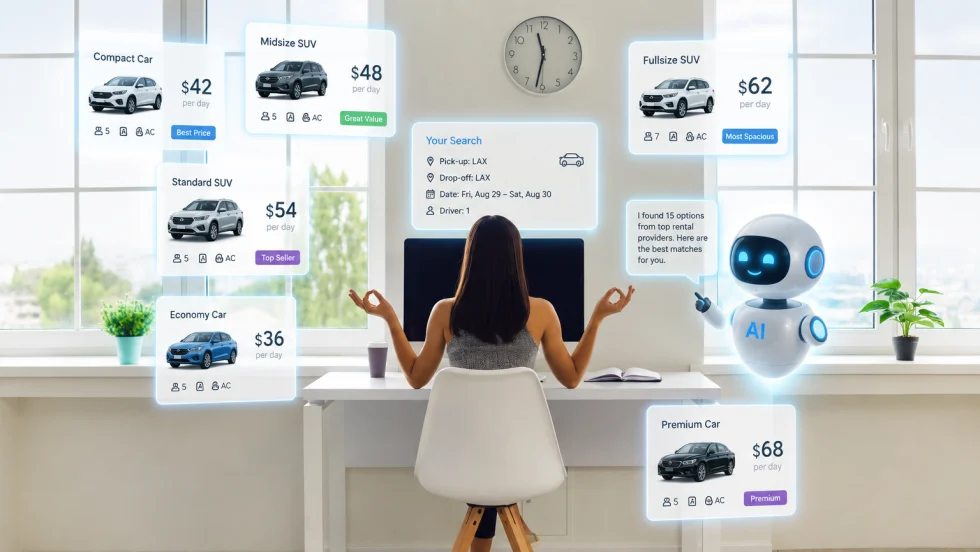
Who Owns the Rate? AI Is Creating a New Distribution Problem for Car Rental
Generative Engine Optimization asks whether AI can find a rental company, but operators also need to know whether the agent inspected enough of the market, compared equivalent offers, and presented a rate the traveler can actually book. (Part 1 of 2)
Read More →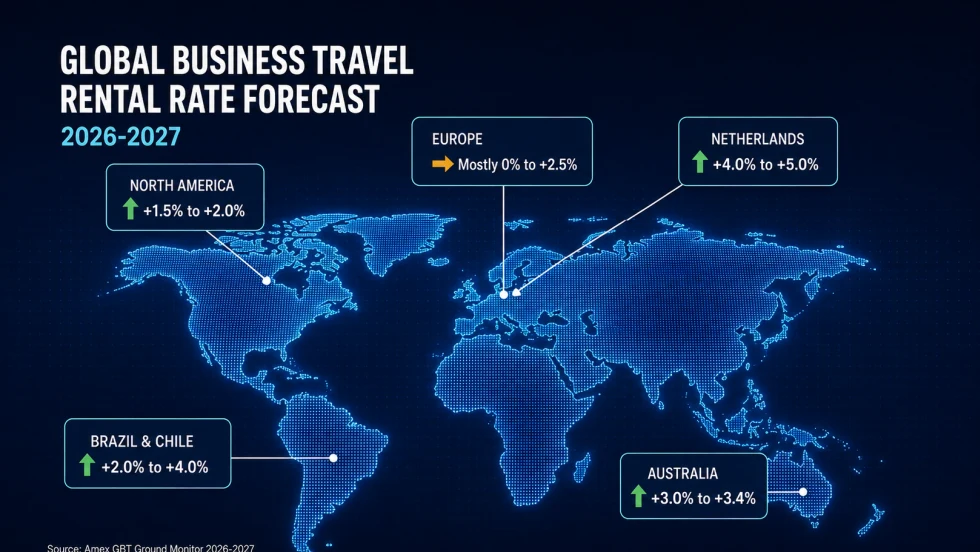
U.S. Business Travel Car Rental Rates Forecast to Rise Up to 2%
Improved fleet supply should limit pricing gains in 2026-27, while insurance, repair costs, and softer residual values continue to pressure rental operations, according to Amex GBT.
Read More →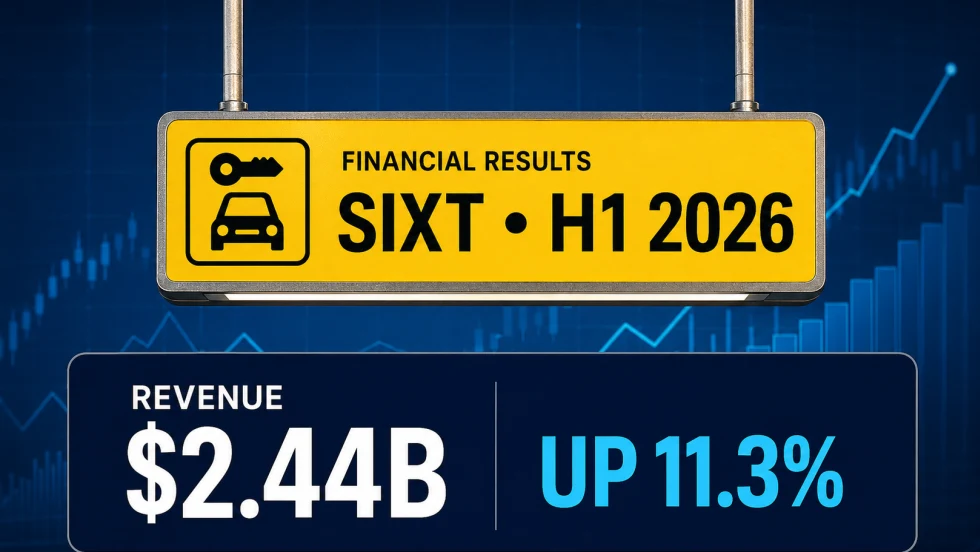
Sixt Revenue Tops $2.4 Billion in First Half of 2026
Sixt’s first-half revenue surpassed $2.4 billion for the first time as demand outpaced fleet growth, lifting utilization and earnings despite weaker consumer sentiment in North America.
Read More →
In Memoriam: Bobby Klyce, Avis Licensee Legend
The longtime Birmingham Avis operator and 2018 Auto Rental News Impact Award recipient was remembered as an advocate for independent licensees and the broader car rental industry.
Read More →
How to Build Custom Fleet Tools With AI and Vibe Coding [Webinar]
A new Automotive Fleet webinar explores how fleet managers are using AI and vibe coding to automate routine work and create simple operational tools without traditional programming skills.
Read More →