


 MENU
MENU SEARCHMENUSEARCH
Loading data...
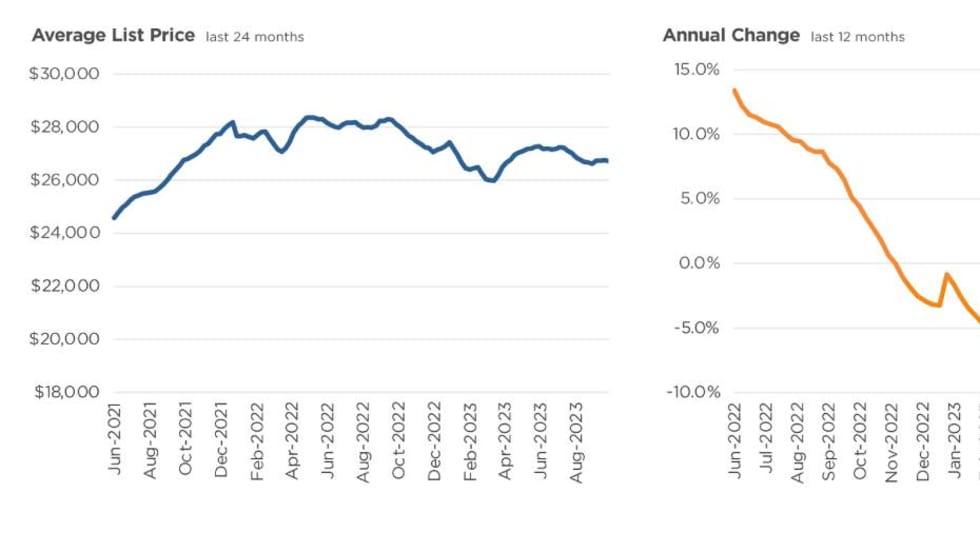
The overall used-vehicle inventory volume is still considered limited and has been stuck in the 2.2 million to 2.3 million range for the past four months.
Read More →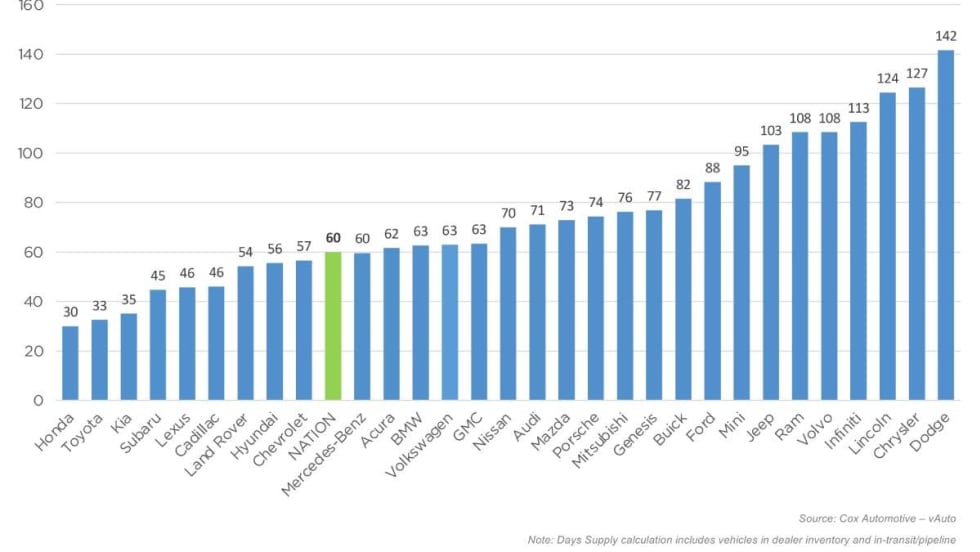
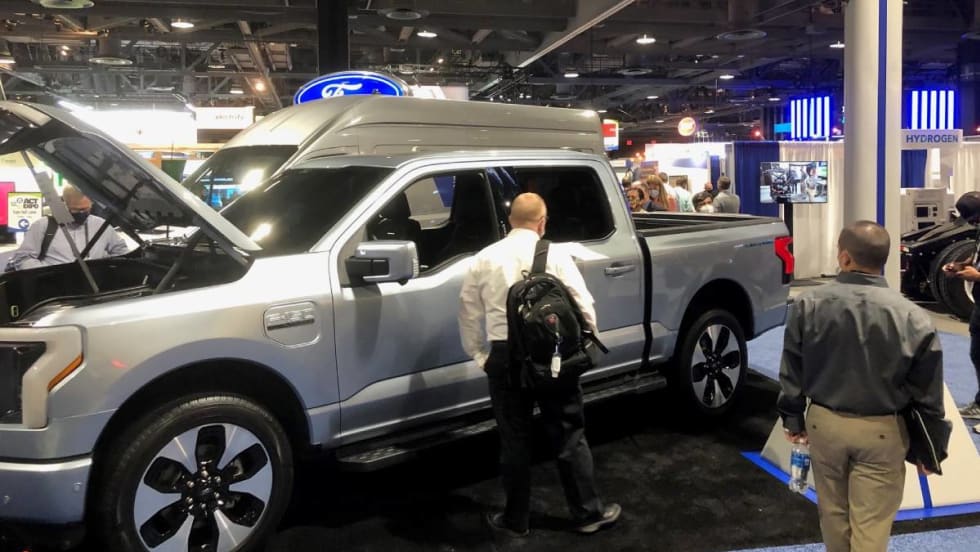
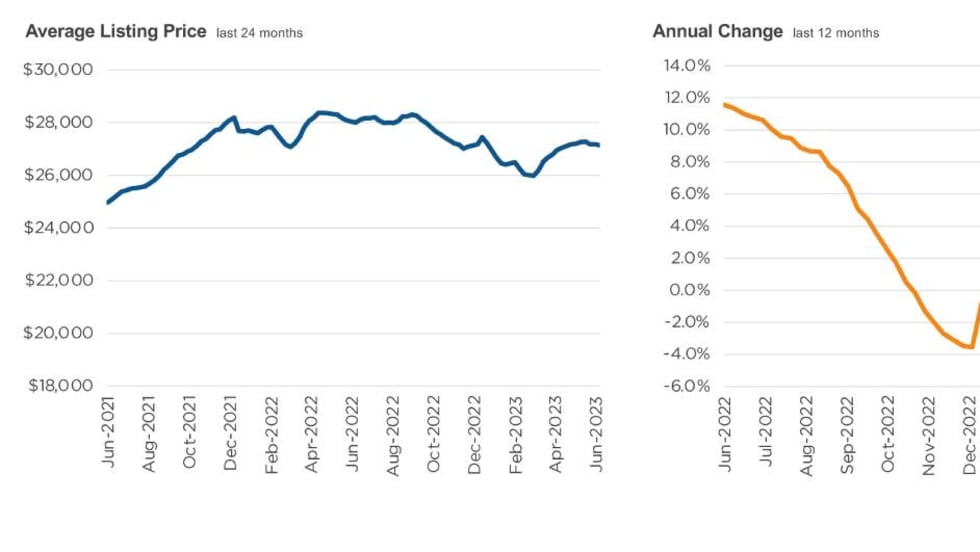

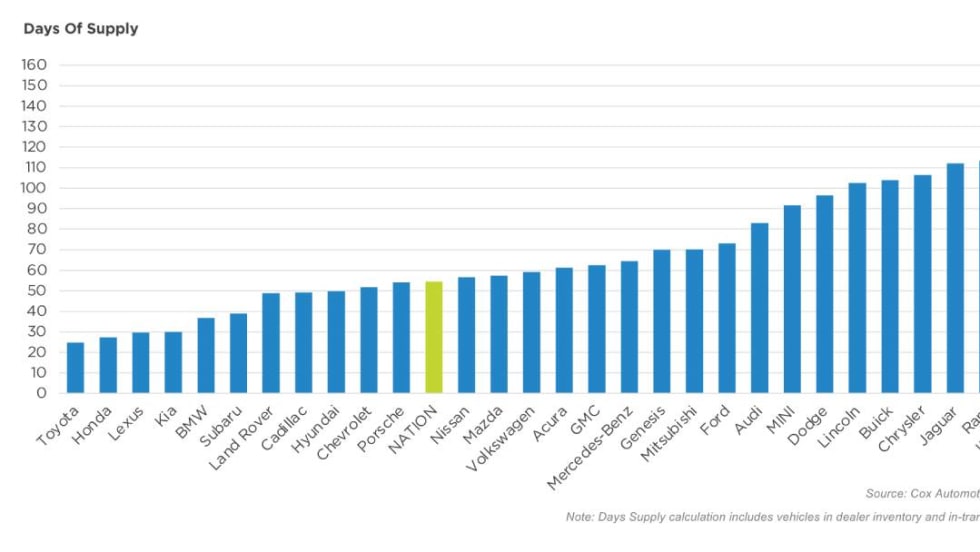
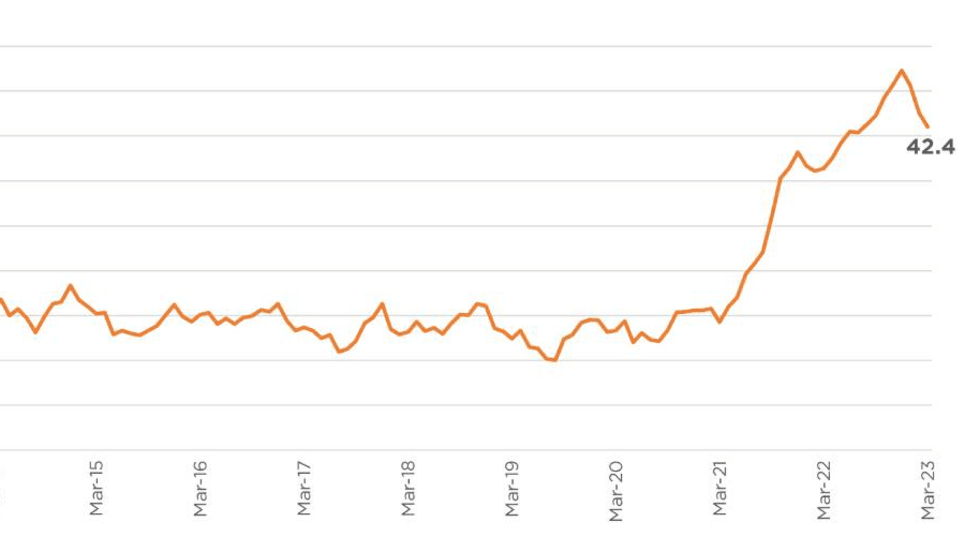
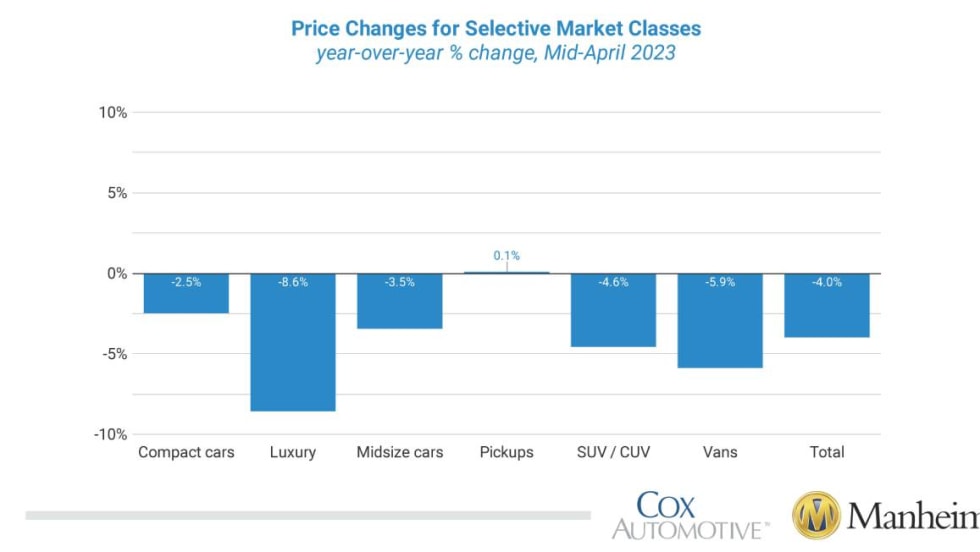
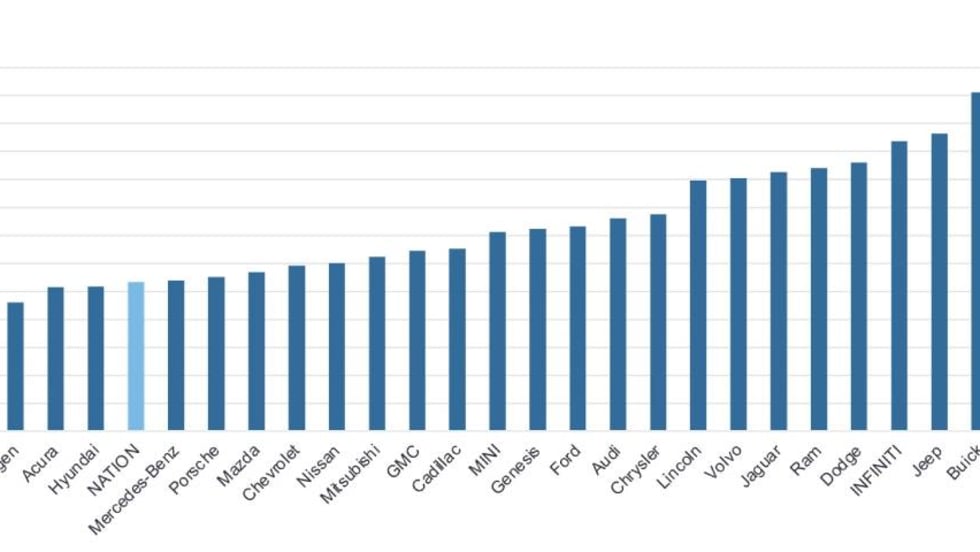
Since the labor actions started Sept. 15, the U.S. has ample inventory for now from the Detroit automakers that should keep steady supply through the end of the month. The all-important Ford F-150 had 97 days of supply at the start of October.
Read More →Analysis: The actions of the UAW will reverberate through the larger auto business, but nowhere near what was experienced in April 2020. Sales into fleet could suffer in 4Q if a strike is wide and persists. Rental car companies may return to the used car market like they did in 2021 and 2022, driving prices higher.
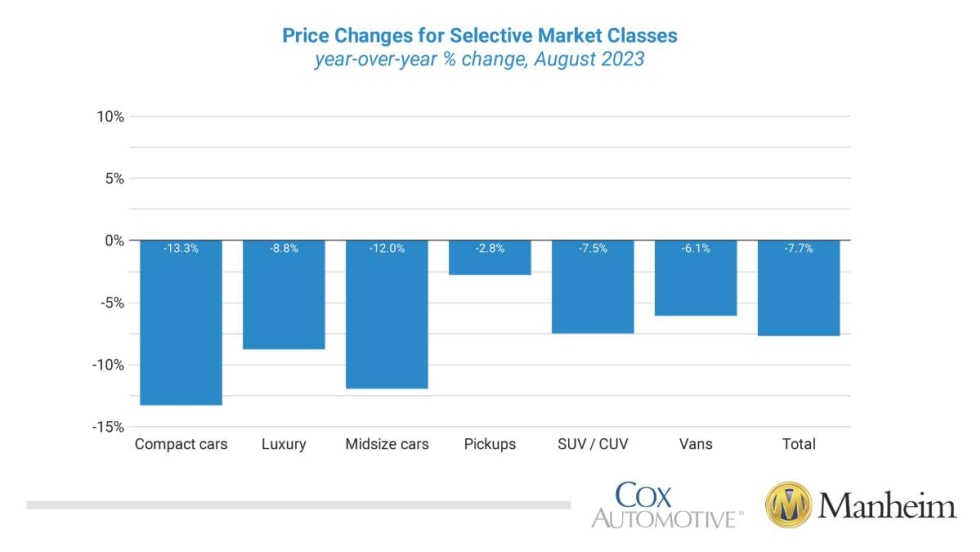
Read More →With sales slightly stronger than expected, tight supply, and prices at about 6% below last year, these factors are expected to prevent any substantial decline in wholesale prices through year-end.
Read More →The last several months have closely followed 2019 levels, the last normal year, which means dealers are balancing their inventory to the sales rate and keeping days’ supply steady even as total supply improves.
Read More →Fleet sales have helped underpin the market improvement so far this year. Forecasts suggest fleet sales could increase by more than 40% year over year,
Read More →Days' supply increased due to a slight weakening in sales toward month-end. Despite a decline in the average listing price, it remained above $47,000.
Read More →While inventory is up from 2022 levels, it remains low by historical standards. Meanwhile, the estimated typical monthly payment for a new vehicle declined to $754 from the peak of $791 in Dec. 2022.
Read More →Prices usually decline in the first two weeks of April, but in each of the last two years prices increased substantially during these same weeks, the Manheim Index shows.
Read More →Days’ supply by end of November was 77% higher than at the same time a year ago and the highest since March 2021. While inventory is up from recent levels, it remains low by historical standards.
Read More →