


Uber's Self-Driving Vehicles Rely on Humans to Brake in Emergencies
A preliminary report by the National Transportation Safety Board found that Uber does not enable the automatic braking feature while its self-driving test vehicles are under computer control to “reduce the potential for erratic vehicle behavior.”

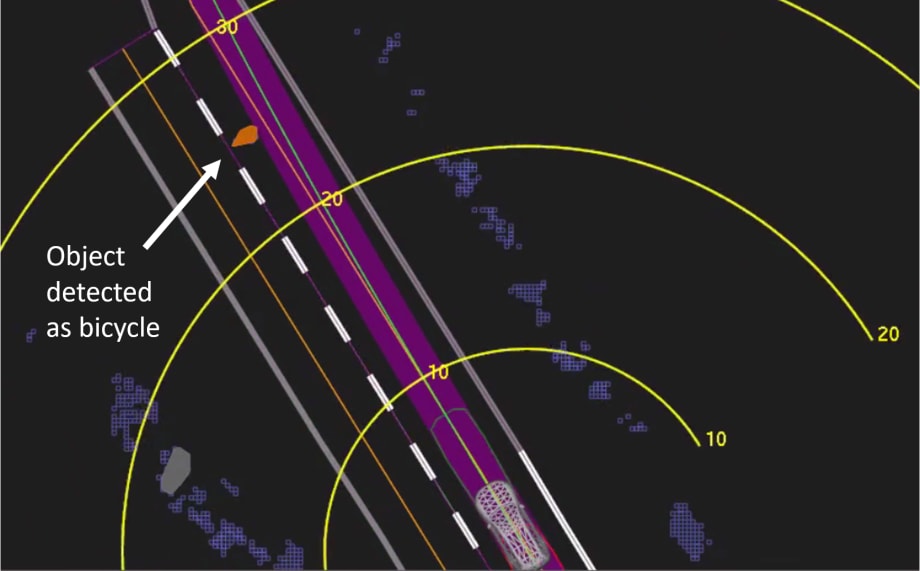
Uber self-driving system data playback from the fatal March 18, crash of an Uber test vehicle shows when, at 1.3 seconds before impact, the system determined emergency braking was needed to mitigate a collision. The yellow bands depict meters ahead of the vehicle, the orange lines show the center of mapped travel lanes, the purple area shows the path of the vehicle, and the green line depicts the center of that path. Photo courtesy of NTSB.
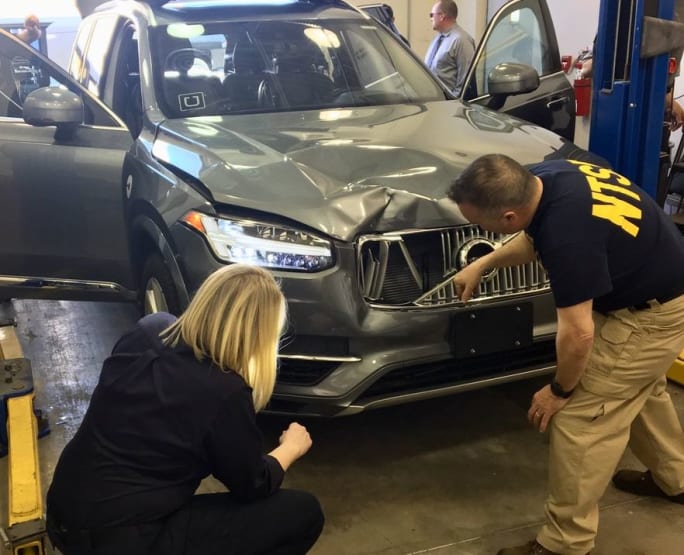
The report by the National Transportation Safety Board (NTSB) found that Uber does not enable the automatic braking feature while its test vehicles are under computer control to “reduce the potential for erratic vehicle behavior.” Photo via NTSB/Wikimedia.
Photo via NTSB/Wikimedia.
A preliminary government report on the March fatal crash involving an Uber self-driving test vehicle and a pedestrian in Tempe, Ariz., shows that the vehicle’s manufacturer installed automatic emergency braking system was disabled at the time.
The report by the National Transportation Safety Board (NTSB) found that Uber does not enable the automatic braking feature while its test vehicles are under computer control to “reduce the potential for erratic vehicle behavior.” Additionally, the safety system is not designed to alert the vehicle’s operator.
The San Francisco-based technology company confirmed this finding.
The test vehicle involved in the incident, a modified 2017 Volvo XC90, was operating with its self-driving system in computer control mode and had a vehicle safety operator inside it when the accident occurred. While the Volvo was factory equipped with a collision avoidance function, in addition to functions for detecting driver alertness and road sign information, all advanced driver assistance functions were disabled when it was put into computer control mode.
On the night of March 18, the vehicle and its safety operator were traveling a 43 mph. A pedestrian wearing dark clothes stepped into the roadway, about 360 feet south of the crosswalk. While the pedestrian was pushing a bicycle, it did not have any safety reflectors.
Related: Arizona Suspends Uber's Autonomous Vehicle Testing
“As the vehicle and pedestrian paths converged, the self-driving system software classified the pedestrian as an unknown object, as a vehicle, and then as a bicycle with varying expectations of future travel path,” the report says, in part. “At 1.3 seconds before impact, the self-driving system determined that emergency braking was needed to mitigate a collision.”
Data from the Volvo shows that the safety operator engaged with the steering wheel less than a second before impact and began braking less than a second after impact.
“The vehicle operator said in an NTSB interview that she had been monitoring the self-driving interface and that while her personal and business phones were in the vehicle neither were in use until after the crash,” the report says.
Since the NTSB report is preliminary, it does not contain any probably cause for the accident.
After the initial accident, Uber indefinitely halted all self-driving vehicle testing across the country. Yesterday, Uber revealed to its Arizona employees that it will be shuttering its autonomous vehicle test program in the state, following mounting public pressure.
In an email, an Uber executive told employees that the company will be focusing on testing vehicles in Pittsburg and San Francisco, but in a “much more limited way.”
Currently, Uber does not have the approval of the California Department of Motor Vehicles to test its autonomous cars in the state.
Related: Uber to End Self-Driving Vehicle Testing in Arizona
More Legal & Legislative

ACRA 2026 Annual DC Industry & Policy Conference in Photos
Car rental made its voice heard on Capitol Hill Sept. 22-25.
Read More →
Hertz Settlement Expands Hand-Control Rental Vehicle Availability
A court-approved ADA settlement requires Hertz to add dedicated hand-control minivans, expand reservation access, and, when necessary, offer the least expensive vehicle capable of accepting hand controls.
Read More →
Federal Appeals Court Upholds Colorado’s $3 Rental Car Fee
In a case brought by the American Car Rental Association on behalf of the rental industry, the 10th Circuit ruled that Colorado’s congestion impact fee falls on renters — not rental companies — and can remain in effect.
Read More →
ACRA Carrying Fuller Industry Load As AI and EVs Lurk In Future
The leading car rental professional business group details an active legislative, regulatory, and macro-trends agenda affecting car rental operators.
Read More →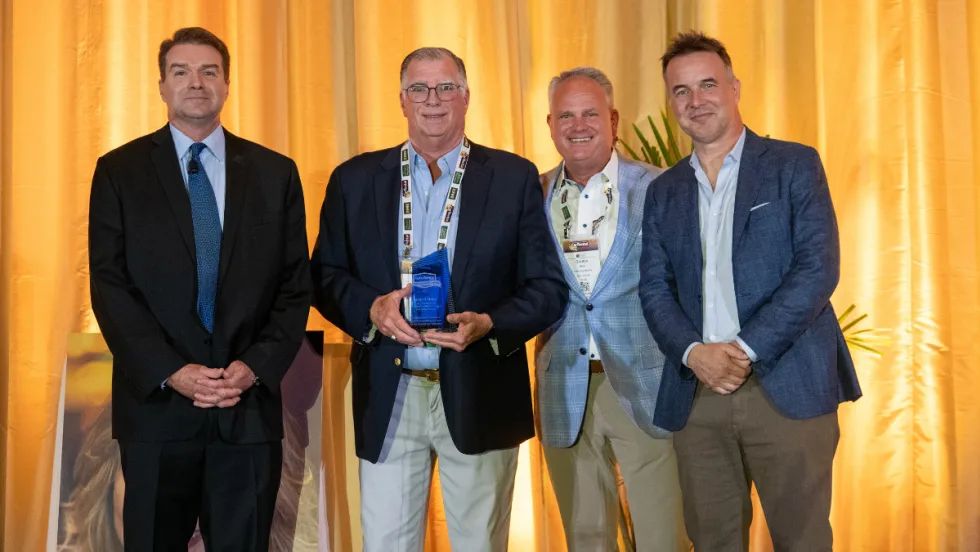
Government Affairs Executive Wins Leading Rental Car Industry Award
Robert Muhs started in the car rental industry with Avis Budget Group two years before the first International Car Rental Show.
Read More →
Using AI To Find Rental Car Damage
Angry car renters are storming social media, the mainstream media, and online ratings platforms to complain about charges they claim are either unfounded or excessive.
Read More →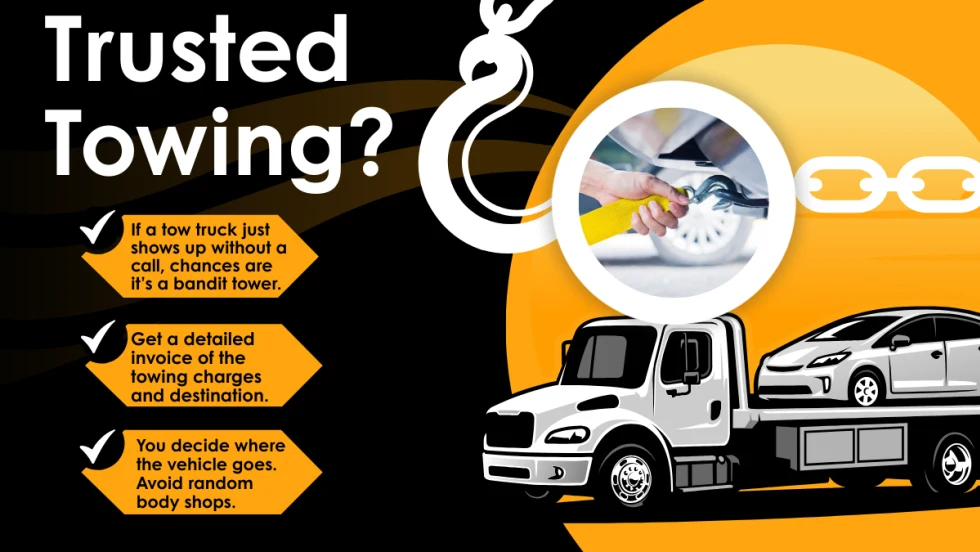
Bandit Towing A Tough Road For Car Rental Companies
Operators often must spend far too much time and resources trying to recoup rental cars towed away and held hostage to outrageously high fees.
Read More →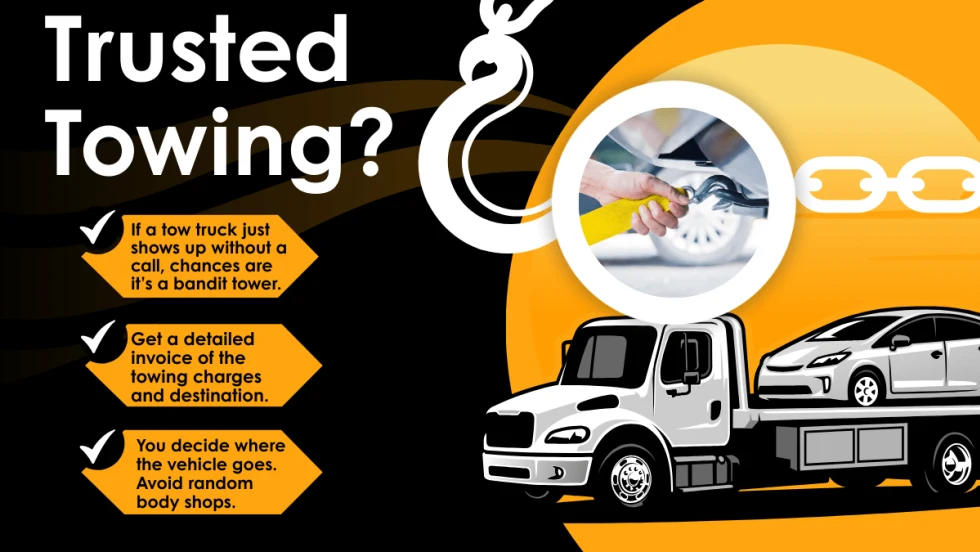
Bandit Towing A Tough Road For Car Rental Companies
Operators often must spend far too much time and resources trying to recoup rental cars towed away and held hostage to outrageously high fees.
Read More →
ACRA: Spurring Car Rental Industry Success
The American Car Rental Association scored more access and influence in 2025 as it grows its services for car rental operators.
Read More →
AVOA Partners with AALA and NLC
The American Vehicle Owners Alliance (AVOA) recently announced its partnership with the American Automotive Leasing Association (AALA) and the National League of Cities (NLC).
Read More →