





Related: Mobility Shift Will Come with Mass Autonomous Vehicle Adoption
Toyota Invests $500M in Uber for Autonomous Ride-Hailing
Toyota Motor Corp. will invest $500 million Uber Technologies, Inc. to speed up efforts to bring an autonomous ride-hailing service to market. Each company will integrate its technology into purpose-built Toyota Sienna minivans that will be deployed on Uber's network.
August 28, 2018

Dara Khosrowshahi, Uber's CEO (left) and Shigeki Tomoyama, executive vice president of Toyota Motor Corp. and president of Toyota Connected Company, shake hands on an agreement to collaborate toward bringing autonomous ride-hailing to market.
Photo by Rikki Ward Photography.
1 min to read
Toyota Motor Corp. will invest $500 million Uber Technologies, Inc. to speed up efforts to bring an autonomous ride-hailing service to market. Each company will integrate its technology into purpose-built Toyota Sienna minivans that will be deployed on Uber's network, Toyota has announced.
The partnership will allow Uber to integrate its technology into Toyota vehicles alongside Toyota Guardian autonomous vehicle technology that the automaker has already been developing. The $500 million will arrive as a separate investment.
Mass-produced autonomous vehicles will be owned and operated by third party autonomous fleet operators that will be mutually selected by Toyota and Uber, according to the companies. That would be a new business model for Uber.
"Our expanded partnership with Toyota signals our commitment to deploying self-driving technology at scale for our riders around the globe," according to a statement from Uber.
Earlier this year, Uber shelved plans to develop a fleet of autonomous ride-hailing vehicles, after one of its test vehicle struck and killed a passenger in Arizona.
Originally posted on Automotive Fleet
More Rental Operations
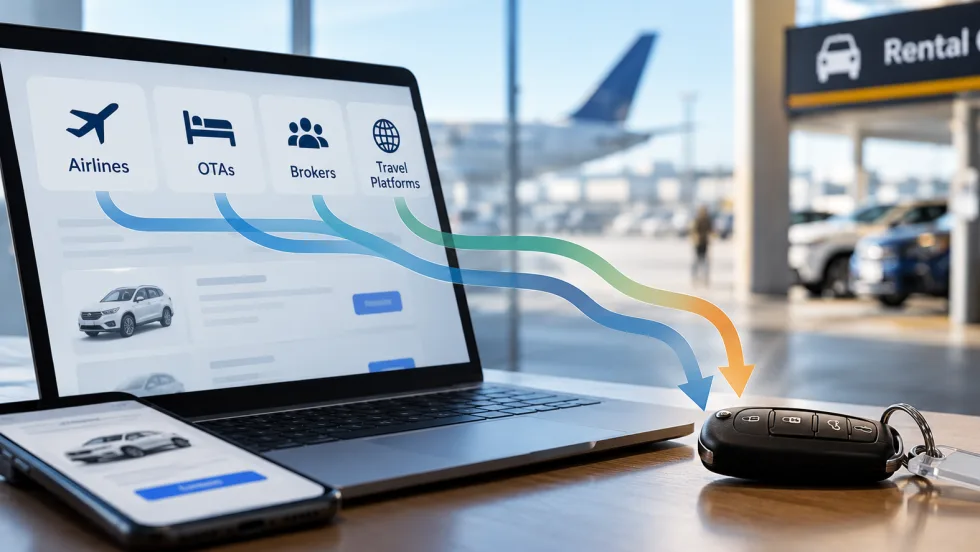
Direct, Broker or Hybrid? How Travel Retailers Source Rental Cars
As travel retailers weigh direct supplier relationships against third-party distribution, rental operators need to understand how those decisions affect their business.
Read More →
How Did This Independent Rental Operator Grow to 170 Vehicles in 4 Years?
With 170 vehicles across three Kentucky locations, Joel Price relies on an overseas team to handle reservations, payments, and after-hours customer service. It's one part of an unconventional approach to growing an independent rental operation.
Read More →
What Does It Take to Succeed in B2B Rentals?
The fundamentals may be familiar to daily car rental operators, but project-based truck rentals put different demands on the fleet and the business.
Read More →
NPR Builds on International Partnerships to Grow Rental Bookings
With Ana Laborde supporting broker development, NPR Auto Group is tailoring distribution strategies, rate packages, and partnerships to grow international reservations across its three brands.
Read More →
Advantage, Sixt Place Among Top Five in Annual Satisfaction Study
While Enterprise and National retain the top spots in JD Power’s 2026 rankings, the latest customer satisfaction results suggest renters can find competitive service beyond the biggest car rental names.
Read More →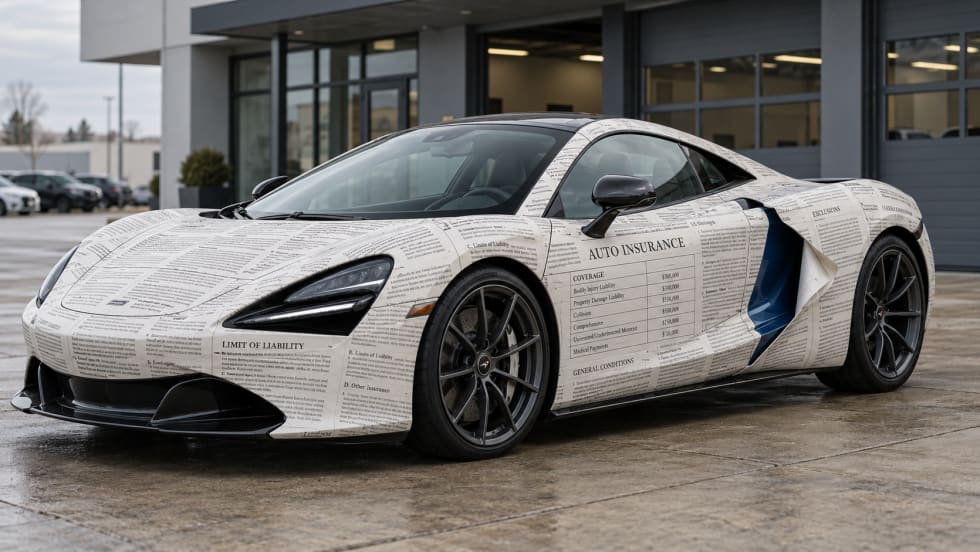
The $100,000 Insurance Trap in Exotic Car Rentals
Exotic rental agencies often rely on customers’ personal auto policies to protect six-figure vehicles. But policy language can dramatically change the coverage for vehicles over $100,000 MSRP.
Read More →
The Booking Is Confirmed, But Is Your Customer Ready to Drive?
For international renters, a confirmed reservation doesn’t always mean they’re eligible to drive. Earlier checks can help operators catch documentation and payment issues before the customer reaches the counter.
Read More →
ICRS 2027 Opens Call for Papers
The International Car Rental Show seeks session proposals on the business, operational, and technology issues facing car rental operators. Submissions are due Jan. 15.
Read More →
Turo to Launch Vehicle Delivery Service
Turo Delivered will let travelers search for vehicles that hosts can deliver directly to hotels, homes, airports, train stations, and other locations.
Read More →
Palm Beach Airport Code Change Creates Car Rental Distribution Gap
A test of rental searches under the old PBI and new DJT airport codes returned largely different sets of brands and vehicles, highlighting a potential distribution problem for rental operators.
Read More →