




More Insights: Cybersecurity: Protecting Yourself and Your Customers in the Digital Age
Data Collection in Rental Vehicles: Navigating Legal Complexities in California
Rental companies operating in California must exercise caution when collecting data, as in-vehicle data collection can lead to legal complications.
by By Hannah Ji-Otto
May 3, 2023
If rental companies do not routinely delete data between rental sessions, previous renters’ personal information can be exposed to subsequent renters and potentially misused.
4 min to read
Many rental car companies permit customers to connect their personal devices to the vehicles' GPS and infotainment systems, allowing renters to enjoy features like hands-free calling, music streaming and navigation through their smartphones. As a result, these tracking technologies gather a substantial amount of personal information about the rental drivers.
Collecting telematics data and renters’ personal information can provide valuable insights for businesses, enabling them to optimize fleet management and better understand consumer behaviors. However, rental companies operating in California must exercise caution when collecting such data, as in-vehicle data collection can lead to legal complications.
What is California’s Rental Passenger Vehicle Transactions law?
California's Rental Passenger Vehicle Transactions Law (commonly referred to as RPVTL) prohibits a rental company from using, accessing or obtaining any information about a renter’s use of a vehicle if that information was obtained using “electronic surveillance technology” — unless it qualifies as one of the limited exceptions related to locating missing vehicles, remote locking/unlocking or providing roadside assistance.
According to the RPVTL:
“Electronic surveillance technologies” include technological methods or systems used to observe, monitor or collect information, including telematics, Global Positioning System (GPS), wireless technology or location-based technologies.
“Electronic surveillance technologies” do not include event data recorders, sensing and diagnostic modules, vehicles’ airbag sensing and diagnostic systems or other systems used to monitor vehicles’ performances or repair statuses.
Is “Electronic Surveillance Technology” Banned or Allowed for Specific Purposes?
The following “electronic surveillance technologies” are allowed in rental vehicles in California:
When the equipment is used by the rental company only for locating a stolen, abandoned or missing rental vehicle.
When it allows for remote locking or unlocking of the vehicle at the renter’s request, if the rental company does not use, access or obtain information relating to the renter's use of the vehicle that was obtained using that technology, except to lock or unlock the vehicle.
When it allows the company to provide roadside assistance, such as towing, flat tire or fuel services, at the renter’s request, if the rental company does not use, access or obtain information relating to the renter's use of the vehicle that was obtained using that technology except to provide the requested roadside assistance.
Using “electronic surveillance technology” for purposes beyond the abovementioned exceptions is prohibited. For instance, using data obtained from tracking technologies in rental vehicles to analyze renters’ behaviors for determining rental pricing or insurance premiums may be considered illegal.
If a rental car company uses electronic surveillance technology for the purposes allowed by the RPVTL, they must keep records of relevant information for at least 12 months. This includes details like the rental agreement, return date, the date and time the technology was activated, as well as any communication with the renter. If a renter asks for these records, the company must provide them, along with any explanatory codes needed to understand the records.
Consequences for violating the RPVTL
There is a private right of action under California's RPVTL. This allows individuals to file a lawsuit against rental companies if they believe their personal information was unlawfully collected or used in violation of the law. Successful plaintiffs may recover damages, attorneys’ fees and other related expenses.
Several recent class-action lawsuits have been filed under the RPVTL law against leading rental car companies concerning their collection of renters’ data. These cases stem from customers pairing their smartphones with rental vehicles’ infotainment or navigation systems.
The plaintiffs’ arguments in these cases are similar, claiming that after pairing their smartphones, the rental vehicles’ GPS technology and infotainment systems collected personal information (such as GPS data, device names and other details) from their phones. This data remains stored in the rental vehicle even after the vehicle is returned to the company. As many rental companies do not routinely delete data between rental sessions, previous renters’ personal information may be exposed to subsequent renters and potentially misused.
One class action filed in California against a major rental car company in 2019 settled confidentially at the end of 2020. A similar case against another leading rental car company is ongoing.
Practical Advice for Rental Car Companies
California courts have been aggressive in protecting the privacy and integrity of consumer data and tend to interpret laws in favor of consumers. Defending class action lawsuits can be expensive.
To proactively safeguard their interests, rental companies operating in California should consider the following factors before installing tracking devices in their vehicles:
Assess the sensors, telematics, GPS, location-based or wireless technologies, tracking devices and other technologies in your rental vehicles. Do they collect personal information from renters?
Determine the purposes for collecting personal information from renters. Is it for vehicle maintenance, troubleshooting or other reasons, including analyzing renters’ behaviors?
Delete renters’ personal data after each rental session.
Accurately disclose how the rental vehicle collects, uses, processes and stores renters’ personal information in the privacy policy.
Hannah Ji-Otto, of counsel at Baker Donelson in Nashville, where she guides clients through a broad range of information privacy challenges and complex technology transactions. She represents clients across all industries, including global manufacturers, healthcare organizations, online payment service providers, software providers, insurance companies, digital marketers, retailers and global e-commerce platforms.
Subscribe to Our Newsletter
More Legal & Legislative

ACRA 2026 Annual DC Industry & Policy Conference in Photos
Car rental made its voice heard on Capitol Hill Sept. 22-25.
Read More →
Hertz Settlement Expands Hand-Control Rental Vehicle Availability
A court-approved ADA settlement requires Hertz to add dedicated hand-control minivans, expand reservation access, and, when necessary, offer the least expensive vehicle capable of accepting hand controls.
Read More →
Federal Appeals Court Upholds Colorado’s $3 Rental Car Fee
In a case brought by the American Car Rental Association on behalf of the rental industry, the 10th Circuit ruled that Colorado’s congestion impact fee falls on renters — not rental companies — and can remain in effect.
Read More →
ACRA Carrying Fuller Industry Load As AI and EVs Lurk In Future
The leading car rental professional business group details an active legislative, regulatory, and macro-trends agenda affecting car rental operators.
Read More →
Government Affairs Executive Wins Leading Rental Car Industry Award
Robert Muhs started in the car rental industry with Avis Budget Group two years before the first International Car Rental Show.
Read More →
Using AI To Find Rental Car Damage
Angry car renters are storming social media, the mainstream media, and online ratings platforms to complain about charges they claim are either unfounded or excessive.
Read More →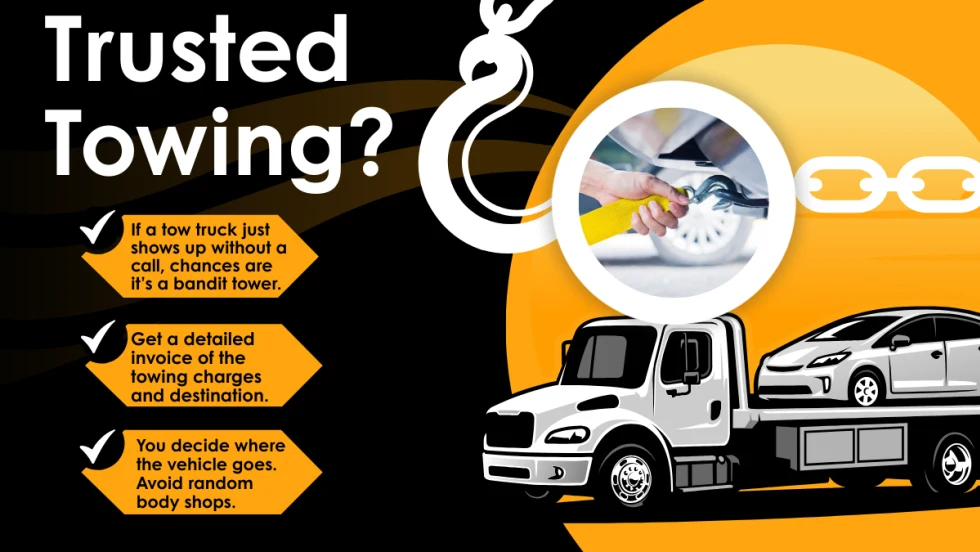
Bandit Towing A Tough Road For Car Rental Companies
Operators often must spend far too much time and resources trying to recoup rental cars towed away and held hostage to outrageously high fees.
Read More →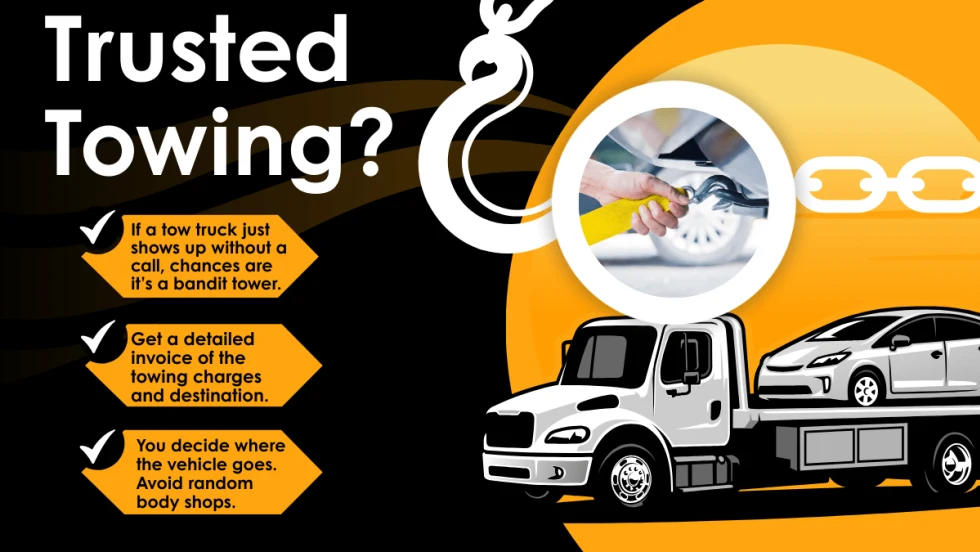
Bandit Towing A Tough Road For Car Rental Companies
Operators often must spend far too much time and resources trying to recoup rental cars towed away and held hostage to outrageously high fees.
Read More →
ACRA: Spurring Car Rental Industry Success
The American Car Rental Association scored more access and influence in 2025 as it grows its services for car rental operators.
Read More →
AVOA Partners with AALA and NLC
The American Vehicle Owners Alliance (AVOA) recently announced its partnership with the American Automotive Leasing Association (AALA) and the National League of Cities (NLC).
Read More →