




More to Read:Understanding Legalities Around Telematics, Rental Fleet Electrification
Does Graves Amendment Apply to Courtesy Car Loaners?
Recent cases in Florida came to differing conclusions, though legislation was enacted to address one of them.
by Amber Simon, Polsinelli
June 13, 2022
Two cases hinged on whether there were conditions for consideration — a “bargained-for exchange” — were met to determine whether a company providing a loaner car should benefit from Graves Amendment protection.
Photo: Arek Socha/Pixabay
5 min to read
The federal Graves Amendment, passed in 2005, protects car rental and leasing companies from being held financially responsible for injuries caused by their customers unless it can be proven that the company's own negligence or actions contributed to those injuries. While the law has consistently applied to shield retail rental and leasing companies from vicarious liability, the law has not been consistently applied in cases of dealer "loaner" or "courtesy" cars, as evidenced by recent cases in Florida.
The courts have wrestled with the question of whether there is consideration exchanged (fulfillment of a contract) when a dealership provides use of a loaner or courtesy car. Some courts have found there is consideration and therefore the dealership is protected by Graves; other courts have reached a different conclusion.
In one Florida case, the court held that the Graves Amendment protected a dealership from being financially responsible for the act of its customer. In Thayer v. Randy Marion Chevrolet Buick Cadillac, LLC, 519 F. Supp. 3d 1062 (M.D. Fla. 2021), aff'd, 30 F.4th 1290 (11th Cir. 2022) a customer took a car to a dealership for service and the dealership gave the customer a loaner car. The customer injured another individual while driving the loaner car.
The question presented to the court was whether the loaner car would be considered a rental or a lease for purposes of the Graves Amendment application, and whether the dealership could be held responsible for the injury caused by its customer. The Thayer Court looked to an earlier case, Collins v. Auto Partners V. LLC, 276 So. 3d 817 (Fla. 4th DCA 2019), which found the Graves Amendment was applicable in the case of a loaner, but contained little analysis as to why the Graves Amendment applied.
The Thayer court therefore stated that the loaner car would qualify as a rental when “in exchange for use of a vehicle, a party provides some form of consideration.”
Consideration is “bargained-for exchange” meaning that both parties receive something that they've agreed to, usually something of value for something of value. It could be argued that the “consideration” is that the customer agreed to pay for service to a vehicle, and in exchange, the customer received use of the loaner vehicle.
The court held that consideration existed because (1) the dealer accepted the car for servicing; (2) the customer agreed to pay the cost of repairs; (3) in exchange for those repairs the customer received use of a loaner vehicle; and (4) that the dealer would not have otherwise loaned the vehicle had the customer not agreed to pay cost of repairs.
Differing Conclusions
The facts in a separate Florida case, Romero v. Fields Motorcars, Inc., 333 So. 3d 746 (Fla. 5th Dist. Ct. App. 2022), were largely similar, but the Court concluded the opposite of Thayer and Collins. In Romero, Mr. Abriola was driving a complimentary loaner vehicle obtained from Fields Motorcars after he had taken his personal truck, which he had purchased from Fields, back to Fields to have warranty work performed on it.
The court found that consideration did not exist, thus the Graves Amendment did not apply to shield Fields from the injury caused by Mr. Abriola. Importantly, the agreement between the customer and Fields in Romero explicitly stated that the “Agreement is solely for the purpose of creating a bailment which allows Customer to use the Vehicle . . . .”
While a rental or lease of a car need not be in writing for the Graves Amendment to apply, this language made it easier for the Florida court to determine that the loaner car was a “gratuitous bailment” (or loan with no consideration) and thus not covered by the Graves Amendment.
The Romero court stated that a complimentary loaner vehicle is not a rental or lease where: (1) no money or other consideration is identified by the parties at the time of the transaction; (2) where the purported lessee was not made aware he was entering into a lease; and (3) where there is no indicia of a lease agreement, oral or written.
Fields has asked the Supreme Court of Florida to weigh in on the case, but the Supreme Court of Florida has not yet granted Fields’ petition for discretionary review.
At least one other state, New York, took the same position as Romero. In 2008, shortly after Graves was enacted, Zizersky v. Life Quality Motor Sales, Inc., 21 Misc. 3d 871, 866 N.Y.S.2d 501 (Sup. Ct. 2008) found that where a vehicle is provided to a customer by a dealership while the customer's vehicle was being serviced was a loaner vehicle with no consideration, rather than lease or rental subject to Graves Amendment. Thus, the dealer could be held responsible for injuries caused by its customer.
A Statutory Fix
The cases suggest that the court will look to whether there was sufficient consideration to determine whether the company providing the loaner car should be subject to Graves Amendment protection.
Notably, Florida implemented a statutory fix to the “Romero-problem” in 2020 when it enacted Fla. Stat. § 324.021(9)(c)3.a. That statute prevents motor vehicle dealers, or their leasing or rental affiliate(s), from being held liable, vicariously or directly, for providing a temporary, no-charge replacement vehicle to a “service customer whose vehicle is being held for repair, service, or adjustment” unless they were otherwise negligent or committed criminal wrongdoing so long as the company (1) executes a written rental or use agreement; (2) obtains a copy of the individuals’ drivers license; and (3) verifies valid insurance. Notably, the issue still exists in Romero because the statute was not enacted to apply retroactively to prior cases — the statute took effect on July 1, 2020. Romero was a 2015 incident.
Use Written Agreements
While there are good arguments for why Graves should apply to courtesy cars, it is important that companies offering a courtesy car remember to review the applicable state law and consider utilizing a written agreement that references the consideration being exchanged. Although a written agreement is not determinative, it might help with an argument to a court regarding the application of Graves.
About the Author: Amber Simon is an attorney with Polsinelli and is a member of the firm’s Mobility & Vehicle Use Practice.
Subscribe to Our Newsletter
More Legal & Legislative
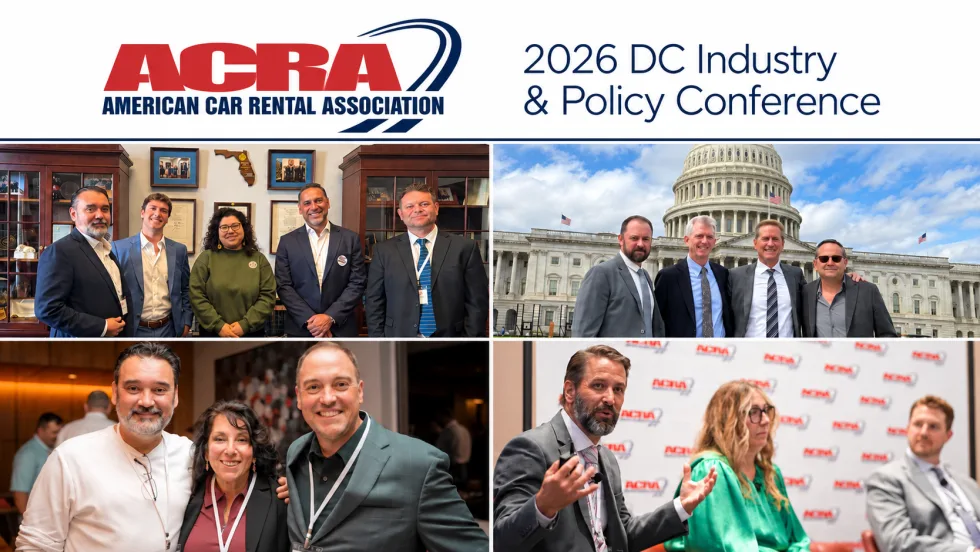
ACRA 2026 Annual DC Industry & Policy Conference in Photos
Car rental made its voice heard on Capitol Hill Sept. 22-25.
Read More →
Hertz Settlement Expands Hand-Control Rental Vehicle Availability
A court-approved ADA settlement requires Hertz to add dedicated hand-control minivans, expand reservation access, and, when necessary, offer the least expensive vehicle capable of accepting hand controls.
Read More →
Federal Appeals Court Upholds Colorado’s $3 Rental Car Fee
In a case brought by the American Car Rental Association on behalf of the rental industry, the 10th Circuit ruled that Colorado’s congestion impact fee falls on renters — not rental companies — and can remain in effect.
Read More →
ACRA Carrying Fuller Industry Load As AI and EVs Lurk In Future
The leading car rental professional business group details an active legislative, regulatory, and macro-trends agenda affecting car rental operators.
Read More →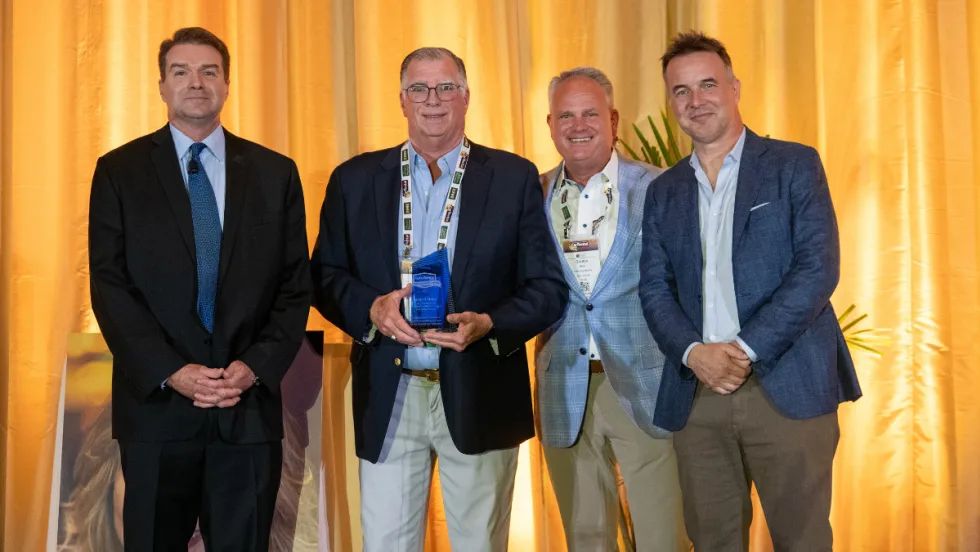
Government Affairs Executive Wins Leading Rental Car Industry Award
Robert Muhs started in the car rental industry with Avis Budget Group two years before the first International Car Rental Show.
Read More →
Using AI To Find Rental Car Damage
Angry car renters are storming social media, the mainstream media, and online ratings platforms to complain about charges they claim are either unfounded or excessive.
Read More →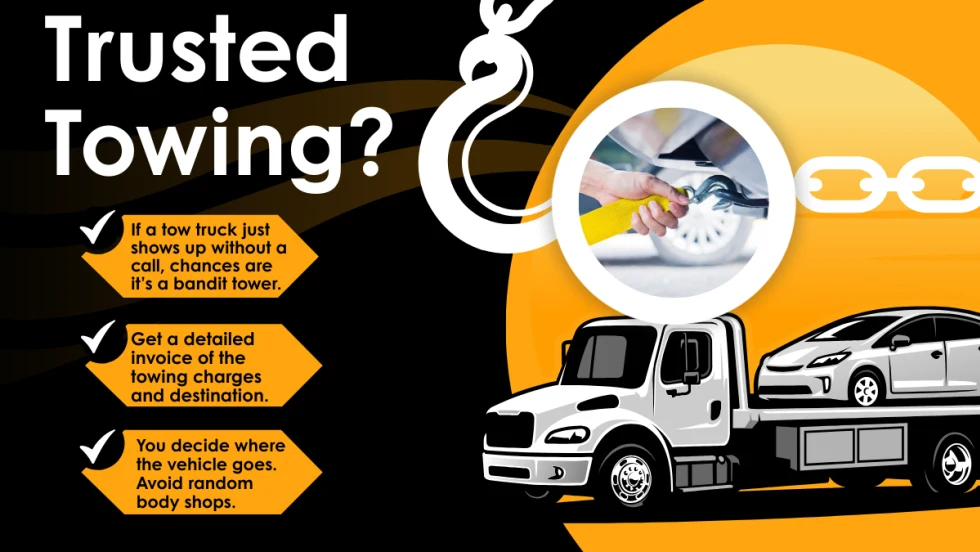
Bandit Towing A Tough Road For Car Rental Companies
Operators often must spend far too much time and resources trying to recoup rental cars towed away and held hostage to outrageously high fees.
Read More →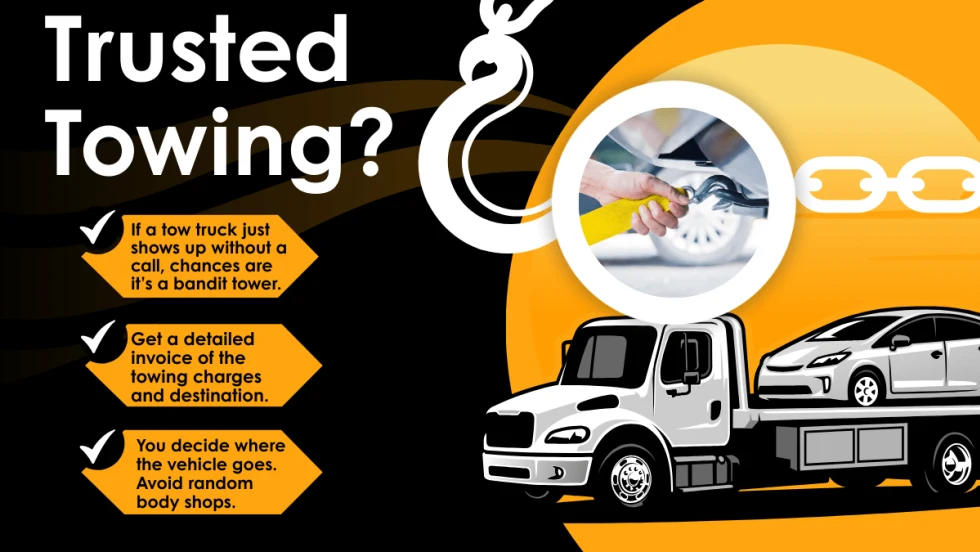
Bandit Towing A Tough Road For Car Rental Companies
Operators often must spend far too much time and resources trying to recoup rental cars towed away and held hostage to outrageously high fees.
Read More →
ACRA: Spurring Car Rental Industry Success
The American Car Rental Association scored more access and influence in 2025 as it grows its services for car rental operators.
Read More →
AVOA Partners with AALA and NLC
The American Vehicle Owners Alliance (AVOA) recently announced its partnership with the American Automotive Leasing Association (AALA) and the National League of Cities (NLC).
Read More →