





Related News: Supreme Court Stays OSHA Vaccine-or-Test Mandate
On Vaccine Mandates, Personal Freedoms, and Workers’ Safety
A small business owner weighs in on the Supreme Court’s vaccine mandate ruling.
January 14, 2022
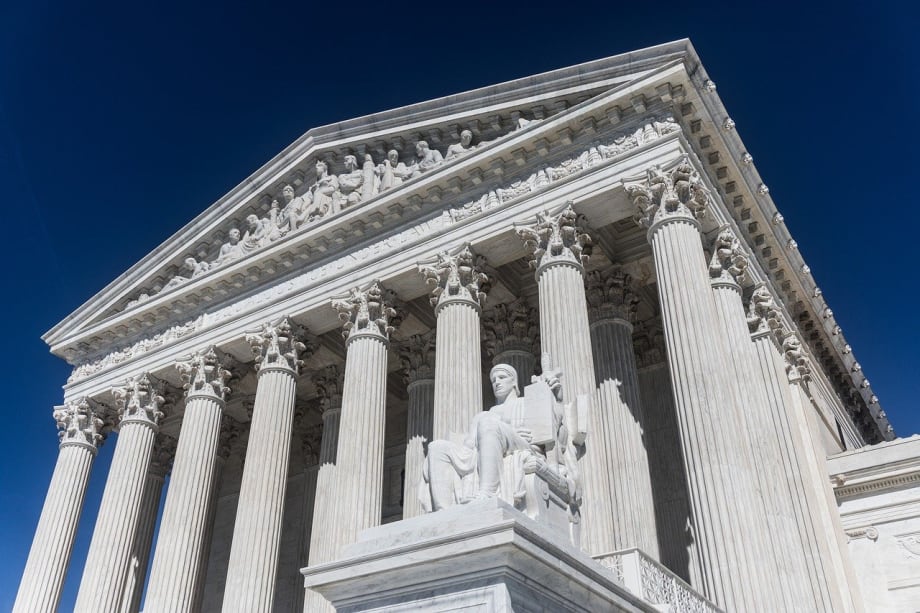
Using OSHA in this matter is problematic, writes David Purinton, as it starts to significantly enlarge the power of that agency. If we allow that, where does it stop?
Photo via MarkThomas/Pixabay
4 min to read
On Jan. 13, the U.S. Supreme Court halted an emergency rule from the Biden administration that would have required businesses with more than 100 employees to require workers to have COVID-19 vaccines or else undergo weekly testing.
Under the rule, announced on Sept. 9, companies would have faced a fine of $14,000 per violation.
David Purinton is the owner of PurCo Fleet Services, a risk management company headquartered in Spanish Fork, Utah, and dedicated to loss prevention for vehicle rental companies.
While PurCo doesn’t have 100 employees, Purinton has been involved in state and local politics and community affairs since the company’s founding in 1993. Purinton also served on the Utah Department of Health’s Health Data Committee for eight years.
Purinton has been following COVID-19-related state and federal guidelines for his business since they were first implemented at the start of the pandemic. The vaccine mandate was announced on Sept. 9.
At first, Purinton questioned why the rule would originate from the Occupational Safety and Health Administration (OSHA), when OSHA isn’t an agency that is tasked with monitoring public health.
“I told my family that this was genius, as this was the only way to remotely be legal from a mandate point of view,” he wrote in an email exchange. “They approached it from the position of ‘worker safety.’ Absolutely brilliant.”
Utah’s state agency, Utah Occupational Safety and Health (UOSH), followed the mandate with a directive where businesses had to place specifically worded signs at every entrance and at the reception desk stating that “masks were required for entrance.”
“They left the policing up to the business owners, but we weren’t responsible for a customer not following the directive, nor were we required to force employees to comply – so it was pretty toothless,” he wrote. “It required a sign!”
The federal and state agencies’ approach was to aggregate his type of business with those covered by the local health departments, like restaurants and gyms.
“I personally found the use of OSHA in this matter as problematic (both Utah’s and the federal one) as it starts to significantly enlarge the power of that agency — if we allow that, where does it stop?” he wrote. “I feel they can rationalize almost any act needing to be required if they are doing it for ‘worker safety.’”
Purinton — who is vaccinated and says he understands what he calls the “godsend” of vaccines — is clear about the benefits OSHA has had in creating environments that are physically safe regarding issues such as hazardous chemicals, machinery, and indoor air quality.
However, in following the Supreme Court case, Purinton noted what he calls the “slippery slope” of mandates. “There is a risk with the vaccine — do we mandate anything else in any situation that can possibly harm the person it is designed to protect?” he wrote.
A “hard hat” example arose during the Supreme Court arguments: As OSHA requires a hard hat, is it possible that the requirement itself to wear a hard hat can cause some injury to the employee?
“This was powerful to me — it kind of puts everything in perspective,” he wrote. “OSHA is designed to protect the individual worker. What do you say to the worker who gets harmed by the vaccine?”
Purinton questions a mandate that covers the entire population that may harm a certain (albeit small) percentage for the common good. “A real slippery slope to be sure,” he wrote.
In Utah, legislators passed HB294, which gave the power to overturn executive branch mandates to the lawmakers — county commissioners, and the state legislators themselves. “The law became known as the ‘COVID endgame.’ But that law had its problems because we are really not in an ‘endgame’ yet for COVID. However, at least the Utah bill did work to set straight some of those necessary balances of power between executive and legislative branches of government.”
Now, if a COVID-19 mandate is passed in any jurisdiction in Utah, it must expire in 30 days, though it is renewable. However, it can be overturned immediately by the legislature or the county commission.
“I liked that approach because the COVID-19 vaccine mandate was never even contemplated to be a law — it was a workaround for there being no law in the first place,” he wrote. “The last thing I want is for the executive branch, or unelected bureaucrats, to create laws and directives — with associated penalties — without going through our lawmakers.”
Subscribe to Our Newsletter
More Legal & Legislative
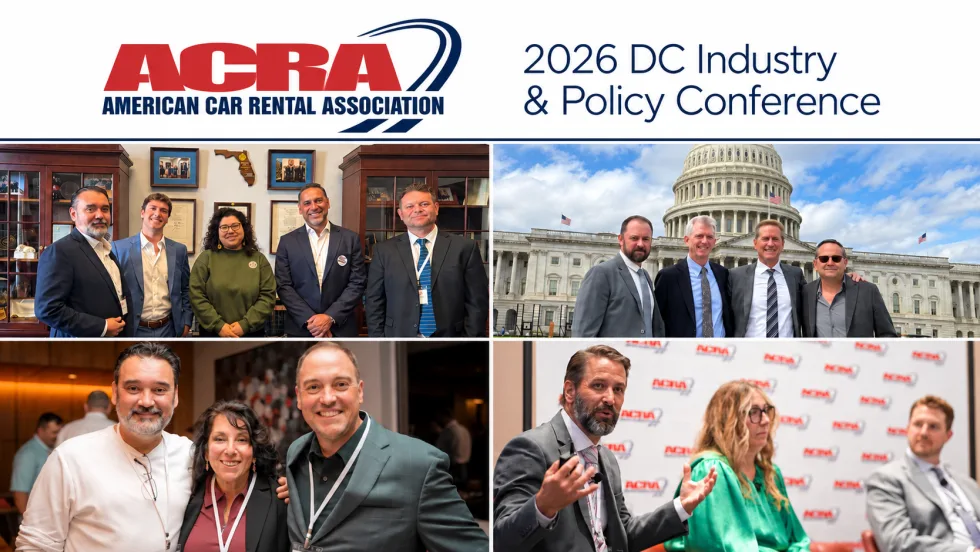
ACRA 2026 Annual DC Industry & Policy Conference in Photos
Car rental made its voice heard on Capitol Hill Sept. 22-25.
Read More →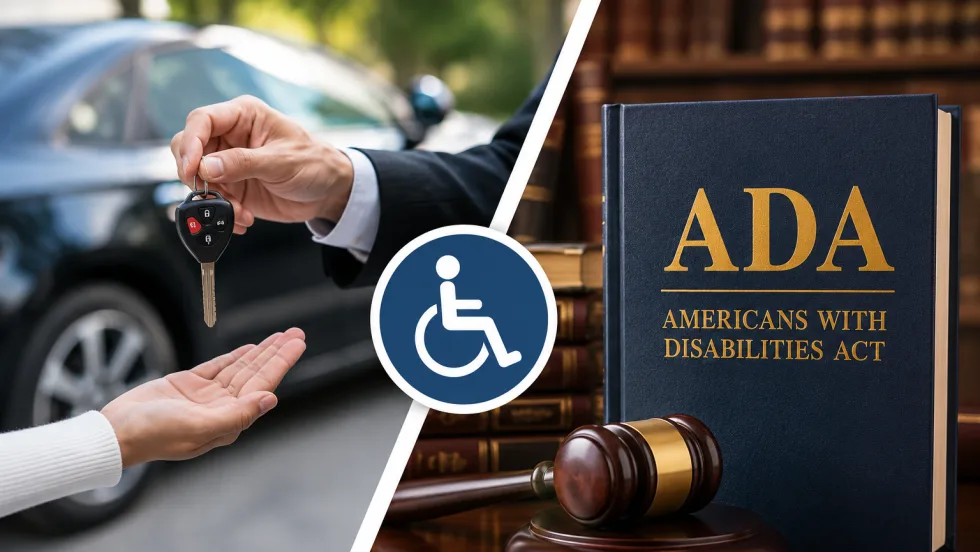
Hertz Settlement Expands Hand-Control Rental Vehicle Availability
A court-approved ADA settlement requires Hertz to add dedicated hand-control minivans, expand reservation access, and, when necessary, offer the least expensive vehicle capable of accepting hand controls.
Read More →
Federal Appeals Court Upholds Colorado’s $3 Rental Car Fee
In a case brought by the American Car Rental Association on behalf of the rental industry, the 10th Circuit ruled that Colorado’s congestion impact fee falls on renters — not rental companies — and can remain in effect.
Read More →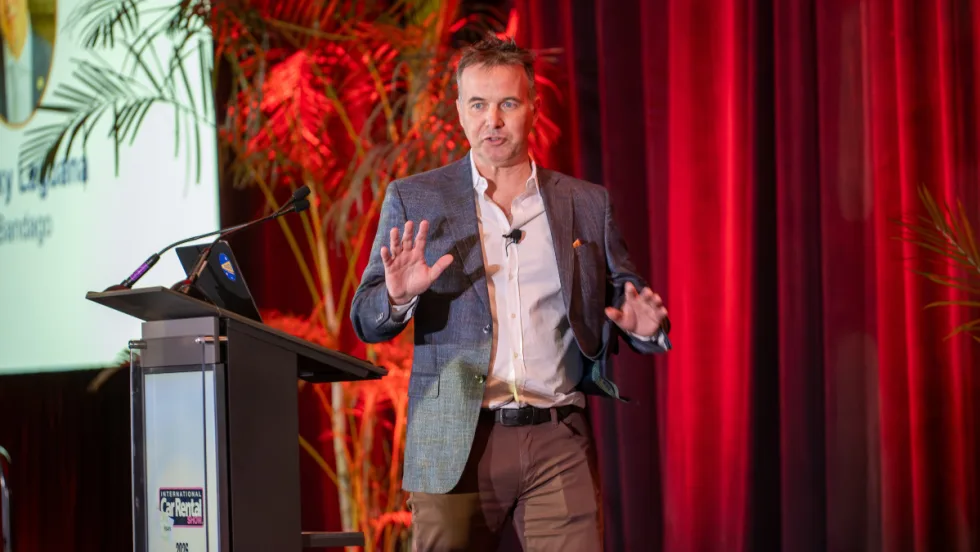
ACRA Carrying Fuller Industry Load As AI and EVs Lurk In Future
The leading car rental professional business group details an active legislative, regulatory, and macro-trends agenda affecting car rental operators.
Read More →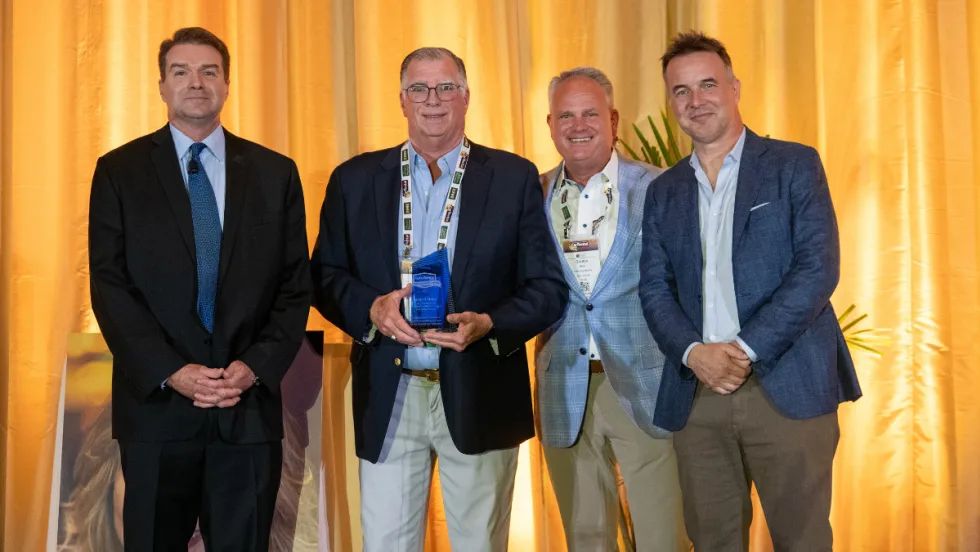
Government Affairs Executive Wins Leading Rental Car Industry Award
Robert Muhs started in the car rental industry with Avis Budget Group two years before the first International Car Rental Show.
Read More →
Using AI To Find Rental Car Damage
Angry car renters are storming social media, the mainstream media, and online ratings platforms to complain about charges they claim are either unfounded or excessive.
Read More →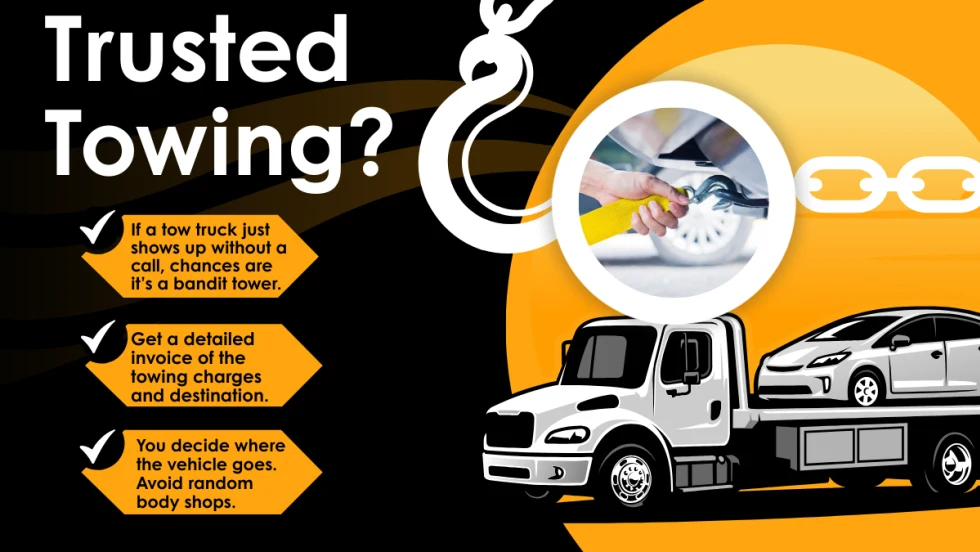
Bandit Towing A Tough Road For Car Rental Companies
Operators often must spend far too much time and resources trying to recoup rental cars towed away and held hostage to outrageously high fees.
Read More →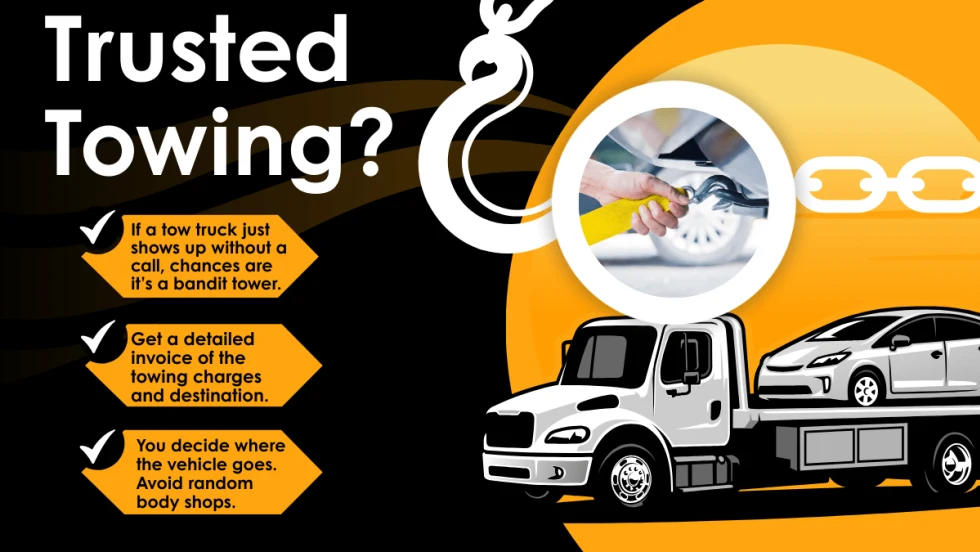
Bandit Towing A Tough Road For Car Rental Companies
Operators often must spend far too much time and resources trying to recoup rental cars towed away and held hostage to outrageously high fees.
Read More →
ACRA: Spurring Car Rental Industry Success
The American Car Rental Association scored more access and influence in 2025 as it grows its services for car rental operators.
Read More →
AVOA Partners with AALA and NLC
The American Vehicle Owners Alliance (AVOA) recently announced its partnership with the American Automotive Leasing Association (AALA) and the National League of Cities (NLC).
Read More →