



BLOG:On Trade Wars
Auto Industry Faces Unclear Tariff Decisions
Analysis: The proposed levies would add further price pressure to an auto industry already facing affordability challenges.
by Cox Automotive
February 19, 2025
The size and structure of the global auto industry make rapid changes from tariffs difficult at best.
Photo: Valdas Miskinis / Pixabay
3 min to read
Tariffs have been a central topic in 2025, with actions and proposals coming fast and furious from the White House.
The actions are closing loopholes and exemptions in earlier steel tariffs, restoring full 25% tariffs on all steel imports, and raising aluminum tariffs to 25% starting March 12 (unless directives change).
Both products are central to automobile production across North America and worldwide. Tariffs of 10% have been placed on all products coming from China – auto parts included. Threats of 25% tariffs on the North American borders – proposed, now delayed – would disrupt more than three decades of free trade across North America and rattle every corner of the automobile business, while proposed “reciprocal” tariffs would add further price pressure to an auto industry already facing affordability issues.
While tariffs can level international playing fields, howthey are implemented matters. The size and structure of the global auto industry make rapid change difficult at best. Factories take time to build, supply chains years to create, and workforces cannot be developed overnight. In the automotive industry, sudden changes usually produce only one result: Chaos.
Cox Automotive’s economic and industry insights team closely monitors developments and, when appropriate and possible, provides fresh perspectives based on the latest news. Earlier in February, the team posted initial thoughts here: Tariffs Across North America Will Upend the Auto Industry. Recent comments from the team include:
Jonathan Smoke, Chief Economist:
“The threat of tariffs has yet to become specific, but the daily chaos from Washington seems to be [discouraging consumers] more than anything else. With lower auto loan rates now looking less likely in the future as well, we have an environment where consumers are deciding it is better to buy sooner rather than later, all else being equal.”
Erin Keating, Executive Analyst
“The delays and uncertainty are doing no one any favors, and there is little automakers can do in the near term, as changing sourcing and/or production sites is not an easy task and costly. Ultimately, the North American market has long approached the automotive industry as an integrated and complex vehicle supply and assembly partnership. Every automaker is at risk in some way here and, more importantly, has a critical supply chain already facing inflation, labor unrest, and affordability challenges. Tariffs across North America won’t just impact the ‘big guys,’ because countless small businesses in all three countries have worked together for decades to produce some of the market’s most affordable vehicles.”
Chris Frey, Senior Analyst
“While tariffs on our largest North American trading partners have been pushed to early March, the impacts to truck manufacturing could play out like autos. Major OEMs, including Volvo, Paccar, Daimler, and International, could see both production and parts [hurt] by tariffs on cross-border trade for Class 8 trucks. With about 40% of Class 8 units sold in the U.S. coming from Mexico and about 65% of Class 8 units sold in Canada coming from the U.S., tariffs stand to impact both makers and buyers of Class 8 trucks, not to mention all the goods these trucks carry cross-border and throughout North America.”
Skyler Chadwick, Director of Product Consulting
“The typical parts department at a dealership is a United Nations of items, parts from all over the world on the shelves — China, Mexico, Canada, Germany, South Korea, USA. No automaker or brand would be immune to major tariffs at the border. Auto parts are the largest global business. And if auto part prices increase, dealers must manage how much of that added cost can be passed to consumers. It will be a challenge across all makes and brands. Additionally, the increased cost of parts will inevitably lead to higher prices for new cars, as manufacturers and dealers adjust to cover these added expenses, making it more expensive for consumers to purchase vehicles.”
Originally posted on Automotive Fleet
More Fleet Acquisition
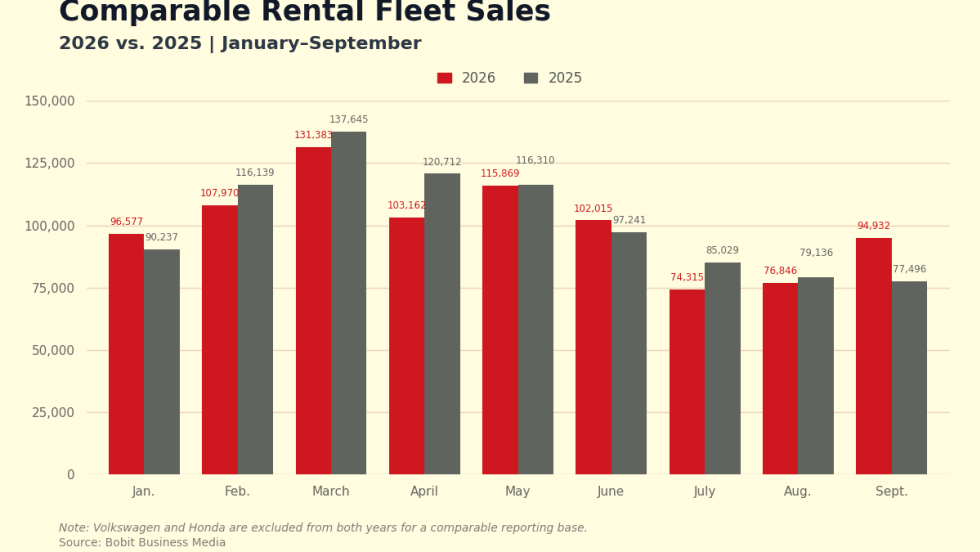
September Rental Fleet Sales Jump 22.5%, Narrowing Year-to-Date Decline
Comparable rental fleet sales remained 1.8% below 2025 through September, as a stronger month cut the year-to-date shortfall by more than half.
Read More →
Rental Vehicle Orders Remain Steady Amid Supply Concerns
With Hyundai’s South Korean strike creating uncertainty for 2027-model-year deliveries, Mike Muehlenfeld of Walser Automotive Group says rental operators are maintaining normal purchasing levels and generating strong returns at disposal.
Read More →
Global Carsharing Fleet Projected to Reach 768,000 Vehicles By 2030
A new Berg Insight forecast outlines several business models driving the projected growth in public carsharing worldwide through 2029.
Read More →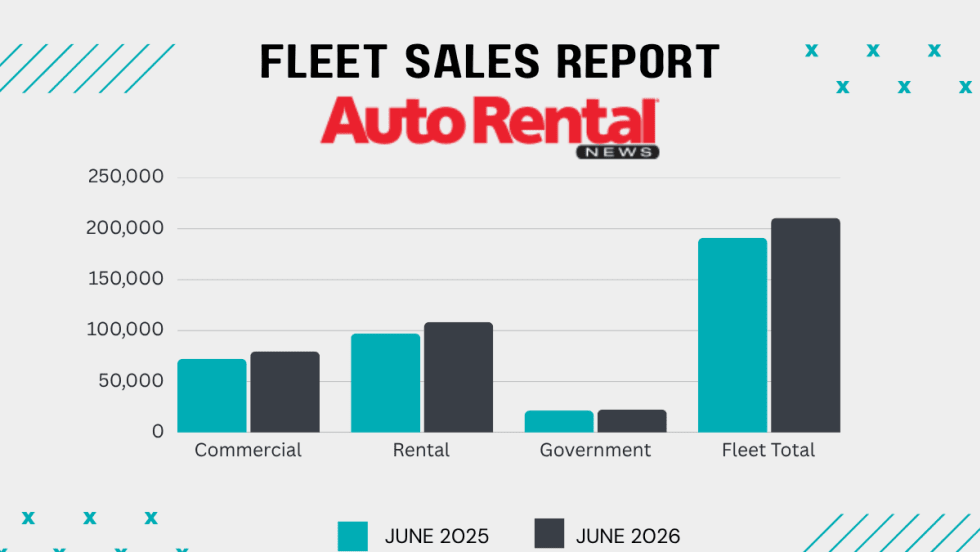
Rental Car Fleet Sales Show Mid-Year Strength
June gains ensured rental fleets closed out the first half of 2026 in positive territory.
Read More →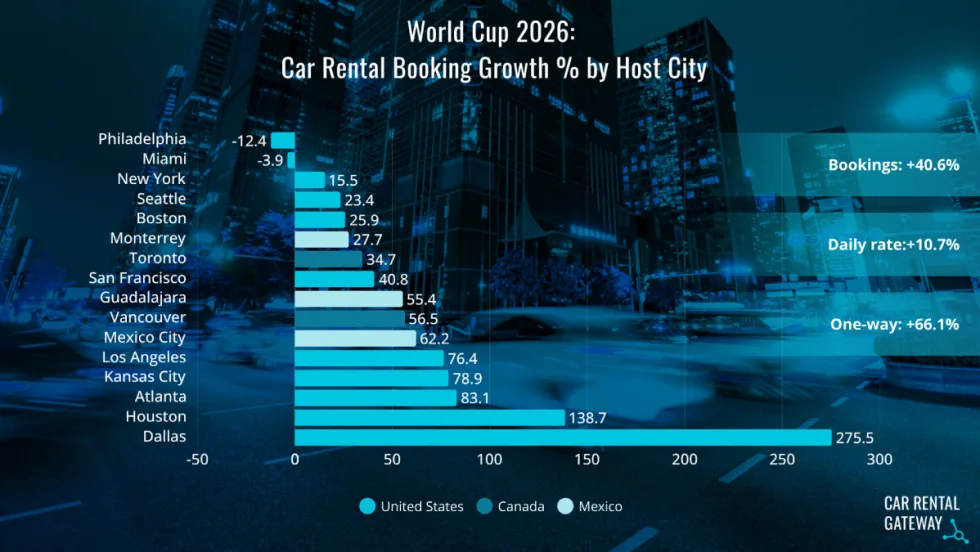
World Cup Travel Data Shows Longer Car Rentals and More One-Ways
A recent analysis of FIFA bookings found varied demand patterns that influenced rental car pricing.
Read More →
A Leveling Force: AI Morphs Into A Rental Car Profit-Seeker
Revenue managers can’t match the emerging AI tools gobbling lots of data that could counter the competitive race to the rate bottom.
Read More →
Rethink The Future To Avert A Race To The Bottom
Rental car operators heard a sobering industry message and a stern challenge at the close of the International Car Rental Show.
Read More →
DriveItAway, Free2move Plan Shared Fleet Program for Independent Rental Fleet Operators
Vehicles would be placed with participating rental operations to support car renter demand and provide additional fleet capacity.
Read More →
Stellantis Recalls 1.3 Million Jeep Vehicles Worldwide Over Fire Risk
Stellantis is recalling more than 1.3 million Jeep Wrangler and Gladiator models worldwide over a fire risk linked to power steering pump wiring.
Read More →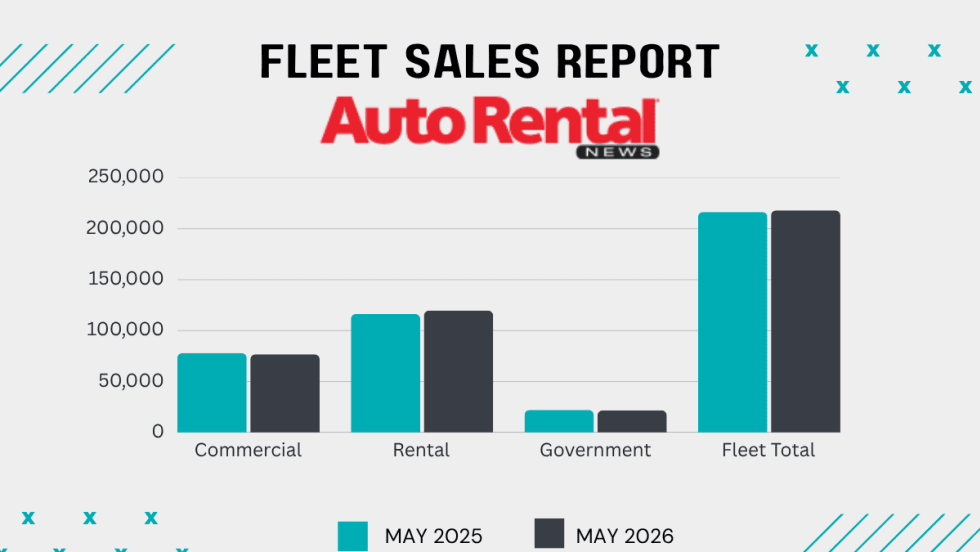
Rental Fleet Sales Skating Just Above 2025 Levels
The U.S. economy's continued growth and positive business investment are creating a favorable environment for fleet vehicle demand.
Read More →