




Automobile Prices Hit All-Time High in July 2021
Tight new-vehicle supply puts upward pressure on new-vehicle transaction prices. Affordability hits 10-year low in July.


Industry Incentive Spending as Percentage of ATP
Graph: Cox Automotive
The average transaction price (ATP) for a new automobile in July 2021 hit a new record high in the U.S. at $42,736, according to the analysts at Kelley Blue Book, which released a report Aug. 18. Transaction prices were up $3,223 (8.2%) from July 2020 and increased $402 (0.9%) from June 2021.
New-vehicle transaction prices have increased – and set new records – for four straight months. A tight supply of new vehicles and a market shift toward more expensive SUVs and pickup trucks are among the main drivers of higher ATPs. However, elevated prices may be cooling consumer demand; after robust sales in March, April and May, new-vehicle sales began to slow in June and July. The seasonally adjusted new-vehicle sales pace in July was the slowest in a year.
“While transaction prices marked new highs in July, new-vehicle incentives continue to fall,” noted Cox Automotive Analyst Kayla Reynolds in a press release. “Last month, incentives amounted to just 5.9% of ATP, the lowest amount in more than a decade. Excellent new-vehicle deals are certainly hard to find.”
In July 2020, the average incentive amount stood at 10.1% of transaction price, according to the analysts at KBB.com. In July 2021, the average new-vehicle deal was above manufacturers’ suggested retail price (MSRP).
Higher transaction prices and lower incentives have combined to drive the Cox Automotive/Moody Analytics Vehicle Affordability Index into uncharted territory. New-vehicle affordability has declined through the spring and set records in each of the last two months. The number of median weeks of income needed to purchase the average new vehicle in July increased to 37.4 weeks, up from 37.2 in June.
Transaction Prices Up Across the Industry
Nearly every brand saw year-over-year growth in average transaction prices. Cadillac prices increased more than 32% year-over-year, driven mostly by the new Escalade full-size SUV, which has been transacting above $100,000 this year. The luxury automaker Genesis, with a new SUV in the showroom, posted year-over-year price gains of 28% for last month. Even Chevrolet and Ford delivered year-over-year gains of 14% and 15%, respectively. Porsche and Tesla were the only brands that posted price drops from year-ago levels, although the Tesla ATP has been skewed by incomplete data.
Non-luxury vehicles showed an 8% year-over-year price increase to $39,865, while the luxury segment saw prices jump 5.8% to $57,546. Vehicle segments with the largest year-over-year increases include hybrids and plug-in hybrid vehicles, luxury full-size SUVs and mid-size cars. The single biggest year-over-year price jump was in the reignited minivan market, where new entries from Toyota and Kia, combined with low inventory, have been driving prices up all year. Families beware: Minivan ATPs have jumped up nearly 17% from year-ago levels, and incentives are well below the industry average.
Originally posted on Vehicle Remarketing
More Remarketing
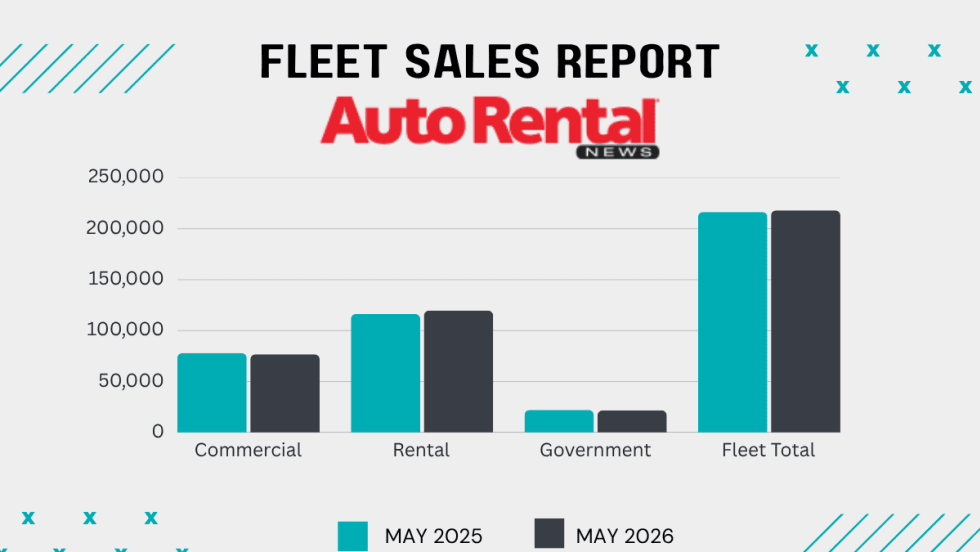
Rental Fleet Sales Skating Just Above 2025 Levels
The U.S. economy's continued growth and positive business investment are creating a favorable environment for fleet vehicle demand.
Read More →
Cross-Pressures, Evolving Trends Drive 2026 Rental Car Industry
A combination of cautious economic behavior, shifts in the rental vehicle market, and technological influences are shaping car rental operator decisions.
Read More →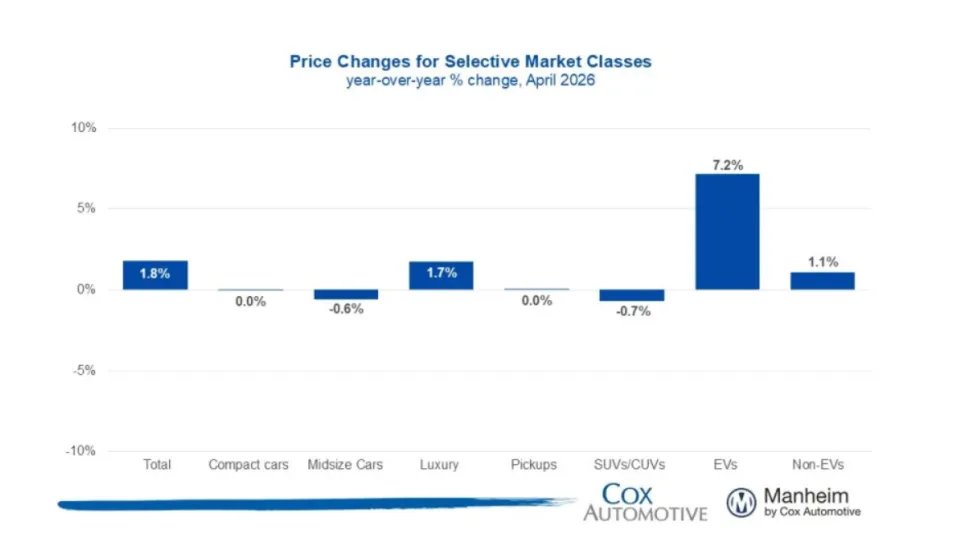
Wholesale Used Vehicle Prices Slightly Up In April
The Iranian conflict and rising gas prices inject much uncertainty into the future wholesale used vehicle markets, as higher gas prices soak up spendable income from vehicle buyers.
Read More →
Surprice Opens Two Rental Branches In Japan
The launch highlights the global car rental operation’s growing presence in Asia.
Read More →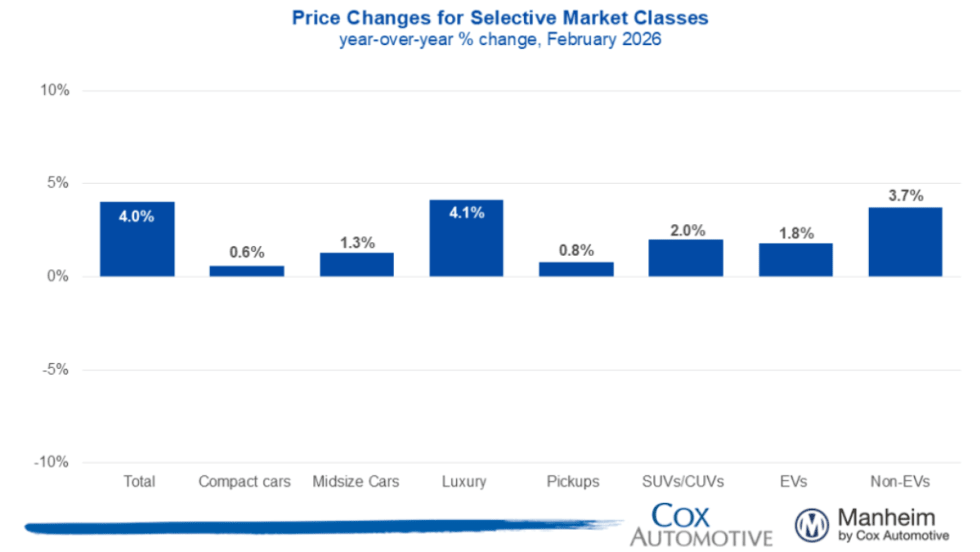
Wholesale Used Vehicle Prices Up In February
Solid demand at Manheim auctions with higher sales conversion rates indicate an appetite from dealers to buy.
Read More →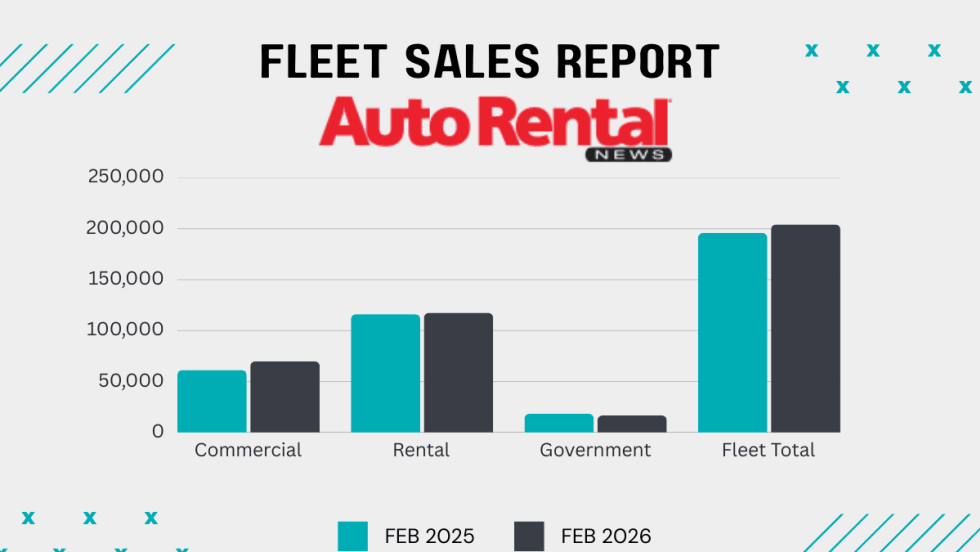
Rental Fleet Sales Slow In February Ending A Strong Streak
Commercial fleets posted the most gains, sustaining increases in monthly and year-to-date fleet sales
Read More →
Avis Budget Group Reports Near $1 Billion Loss Tied To 2025 EV Fleet Write-Down
Following Hertz, the company is the second global car rental conglomerate to sustain sizable losses due to lower customer demand and usage of electric rental cars.
Read More →
2025 Rental Vehicle Remarketing Summary And Outlook
The year brought modest and flatter results across wholesale values, total off-rental supply, and rental risk units.
Read More →
Auctions Record Highest Vehicle Sales Since 2019
2025 figures show a steady recovery in wholesale vehicle activity this decade.
Read More →
DriveItAway Holdings, Free2move Launch Operations In Nine Cities
The co-branded program with Stellantis’ mobility division scales up leasing and financing options nationwide with more cities to come online in 2026.
Read More →