




Black Book's Used Vehicle Valuation Index Falls in May
“It is expected that we will see more declines in the Index in the months ahead as we move deeper into the year, particularly driven by softness among car segments,” said Anil Goyal, senior vice president of Automotive Valuation and Analytics for Black Book.
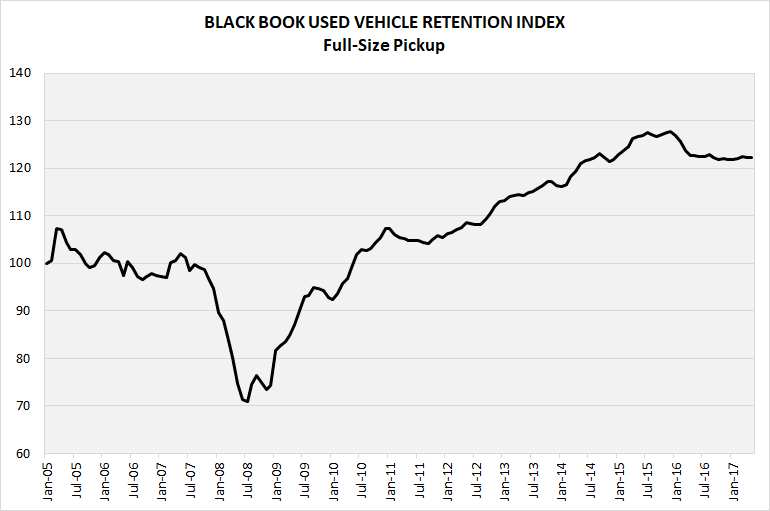
Black Books' Used Vehicle Retention Index declined 0.7 percent from April to May. Anil Goyal, senior vice president of Automotive Valuation and Analytics for Black Book, predicts further declines in the coming months. Photo courtesy of Merit Mile.
Black Books' Used Vehicle Retention Index declined 0.7 percent from April to May. Anil Goyal, senior vice president of Automotive Valuation and Analytics for Black Book, predicts further declines in the coming months. Photo courtesy of Merit Mile.
Black Book revealed that its Used Vehicle Retention Index for May fell 0.7 percent from April.
Currently, the retention index is at 112.3, down from 113.1 in April. In a 12-month analysis, the index has dropped 5.6 percent from May 2016.
The index declined as cars and trucks saw increased depreciation in May following a strong spring season during April. The index increased slightly from 113.0 in March to 113.1 in April. It was the first time the Index saw an increase dating back to Jan. 2015.
From April to May, sub-compact cars fell 1.6 percent, full-size cars dropped 0.7 percent, mid-size cars fell 0.6 percent, and sporty cars fell 1.0 percent. Premium sporty cars, on the other hand, saw a 0.4 percent increase.
In the trucks market, small pickups increased 0.5 percent from April, while full-size luxury utilities increased 0.1 percent, and full-size pickups held steady.
“There is not a lot of surprise in the May numbers, particularly after seeing arguably the strongest spring-season lift on record over the last three years in April,” said Anil Goyal, senior vice president of Automotive Valuation and Analytics for Black Book. “It is expected that we will see more declines in the Index in the months ahead as we move deeper into the year, particularly driven by softness among car segments.”
Originally posted on Automotive Fleet
More Remarketing
Rental Fleet Sales Skating Just Above 2025 Levels
The U.S. economy's continued growth and positive business investment are creating a favorable environment for fleet vehicle demand.
Read More →
Cross-Pressures, Evolving Trends Drive 2026 Rental Car Industry
A combination of cautious economic behavior, shifts in the rental vehicle market, and technological influences are shaping car rental operator decisions.
Read More →
Wholesale Used Vehicle Prices Slightly Up In April
The Iranian conflict and rising gas prices inject much uncertainty into the future wholesale used vehicle markets, as higher gas prices soak up spendable income from vehicle buyers.
Read More →
Surprice Opens Two Rental Branches In Japan
The launch highlights the global car rental operation’s growing presence in Asia.
Read More →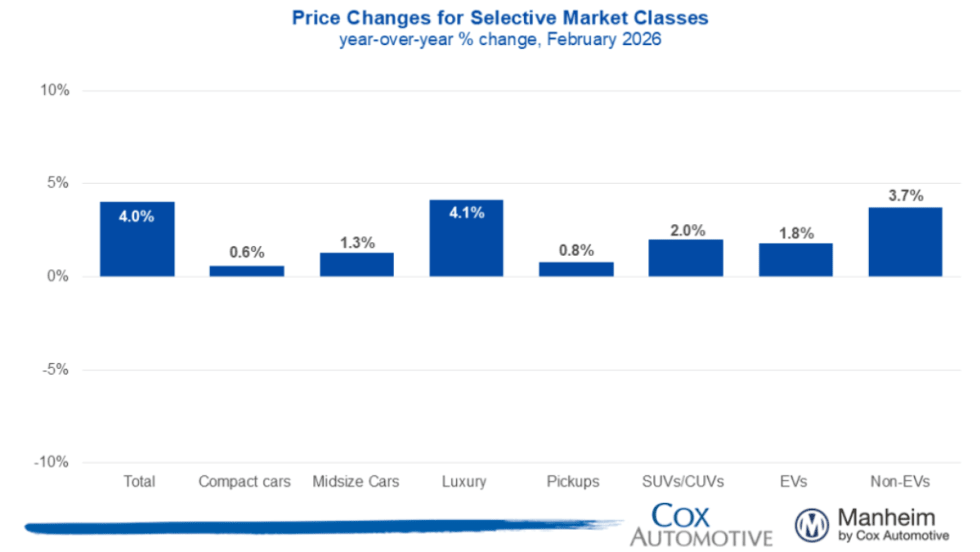
Wholesale Used Vehicle Prices Up In February
Solid demand at Manheim auctions with higher sales conversion rates indicate an appetite from dealers to buy.
Read More →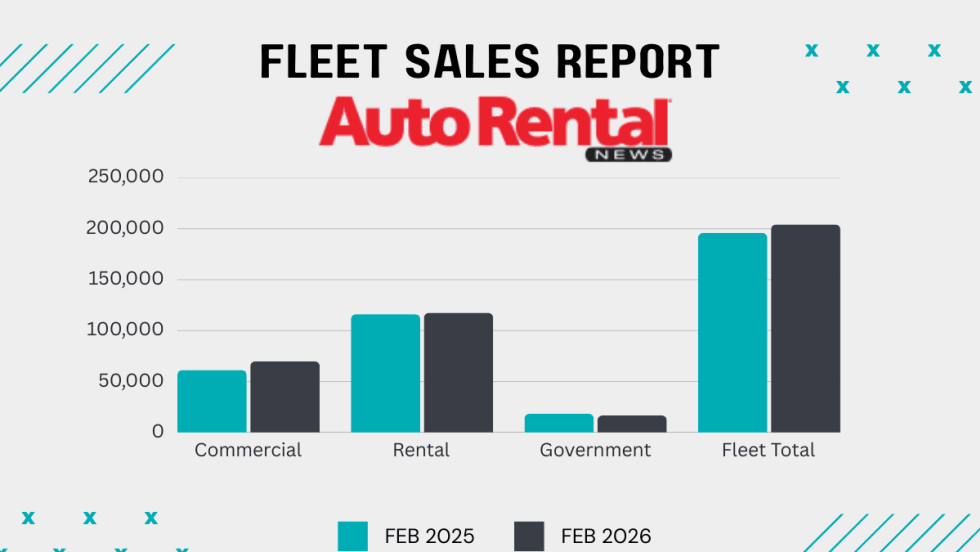
Rental Fleet Sales Slow In February Ending A Strong Streak
Commercial fleets posted the most gains, sustaining increases in monthly and year-to-date fleet sales
Read More →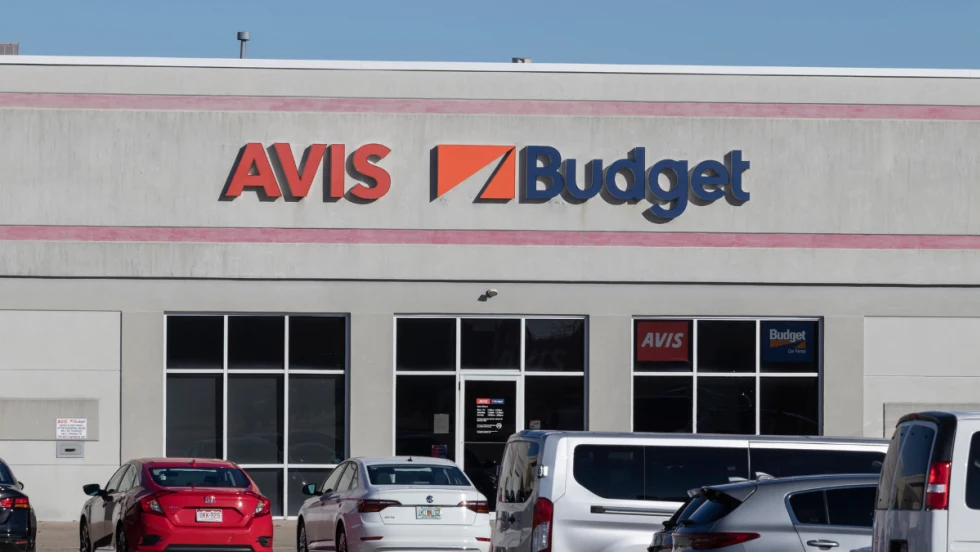
Avis Budget Group Reports Near $1 Billion Loss Tied To 2025 EV Fleet Write-Down
Following Hertz, the company is the second global car rental conglomerate to sustain sizable losses due to lower customer demand and usage of electric rental cars.
Read More →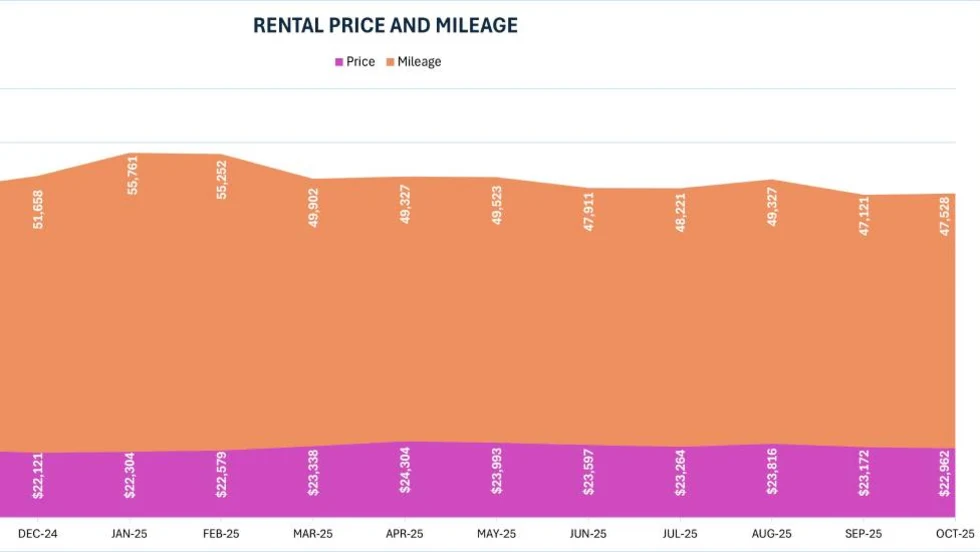
2025 Rental Vehicle Remarketing Summary And Outlook
The year brought modest and flatter results across wholesale values, total off-rental supply, and rental risk units.
Read More →
Auctions Record Highest Vehicle Sales Since 2019
2025 figures show a steady recovery in wholesale vehicle activity this decade.
Read More →
DriveItAway Holdings, Free2move Launch Operations In Nine Cities
The co-branded program with Stellantis’ mobility division scales up leasing and financing options nationwide with more cities to come online in 2026.
Read More →