




Calif. Price-Fixing Suit Dismissed
A class-action lawsuit alleging that seven car rental firms agreed to raise and fix prices by passing on to consumers an airport concession fee has been dismissed.
A class-action lawsuit that alleged price fixing by seven car rental firms operating in California airports has been dismissed, according to court records filed April 8, 2008.
The suit alleged that Hertz, Avis Budget Group, Dollar Thrifty Automotive Group, Enterprise, National and Alamo conspired to pass on to consumers a 2.5 percent surcharge for each rental instead of abiding by a deal to contribute to government agency fees themselves.
Second, the suit alleged that the defendants agreed to raise and fix prices by passing on to consumers an airport concession fee of about 9 percent.
The case was brought by Robert C. Fellmeth, executive director of the University of San Diego School of Law’s Center for Public Interest Law (CPIL), and Michael Shames, executive director of the Utility Consumers' Action Network, a San Diego watchdog group.
The case, filed in November 2007, arose from a deal between California legislators and lobbyists for the car rental companies in which the rental companies agreed to contribute $24 million to the budget of the California Travel and Tourism Commission (CTTC), under Assembly Bill 2592.
In return for the $24 million contribution, the car rental companies sought to unbundle, or separately itemize, the 9 percent airport concession fee that is paid on each airport car rental, from the advertised base rate. Previous law required that all rental car charges be included in the advertised base rate, so that consumers are not surprised by unexpected charges at point of rental.
The plaintiffs maintained that the rental car companies acted unlawfully in meeting under the guise of the CTTC and conspired to add-on charges to consumers.
The plaintiffs contend that in January 2007 the rental car defendants increased their prices by 9 percent and imposed a 2.5 percent fee on consumers. While AB 2592 permitted these actions, the plaintiffs argued that since AB 2592 did not expressly require passing the costs at issue through to consumers, the allegations sufficiently support the existence of an agreement to raise and fix prices.
The court disagreed.
The court concluded that the plaintiffs did not produce evidence that the defendants conspired to fix prices. “The complaint is devoid of factual allegations regarding any actual agreement between the CTTC and the rental car defendants,” states the motion to dismiss.
The California Tourism Marketing Act expressly permits “an assessed business to pass on some or all of the assessment to customers.”
The court concluded that the actions of the car rental companies are equally consistent with “a wide swath of rational and competitive business strategy unilaterally prompted by common perceptions of the market,” and that the RACs acted with “identical, independent action motivated by economic self-interest.”
Apparently, the case is not over yet.
“The court granted the defendant motions to dismiss based on the stricter pleading requirements of a recent antitrust case,” said Robert Fellmeth in a prepared statement. “She did not rule that the complaint failed to state a cause of action, but essentially found that the pleadings were too ‘conclusory’ and required additional factual underpinning. An amended complaint with substantial factual details meeting the stricter pleading specificity standards will be filed within the next three weeks.”
More Rental Operations

Hertz, Avis: Parsing the Q3 Headwinds and Tailwinds
Third-quarter results from Hertz and Avis show resilient pricing despite softer travel demand. Meanwhile, higher operating costs, recalls, uneven vehicle depreciation, and international weakness continue to put pressure on profits.

How Better Cleaning Processes Improve Rental Fleet Efficiency
A consistent approach to vehicle cleaning helps rental operators reduce turnaround delays and return vehicles to service without compromising cleanliness.
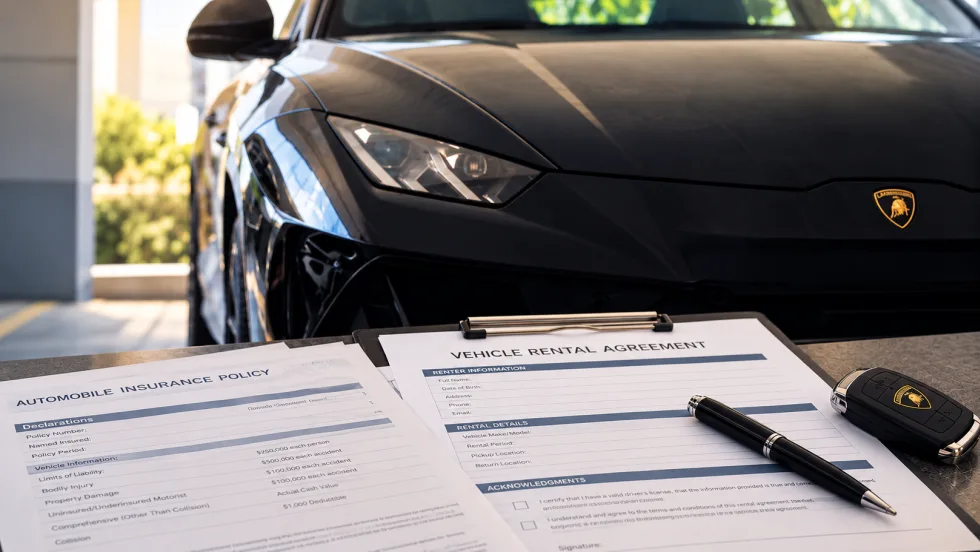
Clean on Paper: Red Flags in Exotic Car Rental Verification
A suspicious $45,000 Lamborghini booking reveals the strengths and limitations of renter verification, from forged insurance documents to coverage gaps and unauthorized drivers. (Part 2 of 3)

Turo and Tesla Take the Next Step Toward Autonomous Car Rentals
The partnership brings Tesla's Full Self-Driving (Supervised) technology into the rental experience, offering a glimpse of how increasingly automated vehicles could change car rental.

How Rental Operators Can Navigate Personalized Pricing Rules
As regulators scrutinize the use of customer data in pricing, rental operators need to know whether they can explain why one renter pays more than another.

Direct, Broker or Hybrid? How Travel Retailers Source Rental Cars
As travel retailers weigh direct supplier relationships against third-party distribution, rental operators need to understand how those decisions affect their business.

How Did This Independent Rental Operator Grow to 170 Vehicles in 4 Years?
With 170 vehicles across three Kentucky locations, Joel Price relies on an overseas team to handle reservations, payments, and after-hours customer service. It's one part of an unconventional approach to growing an independent rental operation.

What Does It Take to Succeed in B2B Rentals?
The fundamentals may be familiar to daily car rental operators, but project-based truck rentals put different demands on the fleet and the business.

NPR Builds on International Partnerships to Grow Rental Bookings
With Ana Laborde supporting broker development, NPR Auto Group is tailoring distribution strategies, rate packages, and partnerships to grow international reservations across its three brands.

Advantage, Sixt Place Among Top Five in Annual Satisfaction Study
While Enterprise and National retain the top spots in JD Power’s 2026 rankings, the latest customer satisfaction results suggest renters can find competitive service beyond the biggest car rental names.