




Car Sharing Companies Work to Avoid Car Rental Tax
Car share companies say they should be exempt from the tax because car sharing reduces the number of cars on the road, eases parking and traffic problems and gets people to drive fewer miles.
As car sharing companies have enjoyed huge growth in recent years, several state and city governments have ruled that car-sharing companies such as Zipcar need to charge their members car-rental tax, according to the Wall Street Journal.
The laws are affecting customers in places such as Seattle, Pittsburgh and Chicago and may spread to other areas soon.
The concept of car sharing started in the U.S. as small, local, mostly non-profit ventures to help the environment, but city and state governments started to take note as national for-profit players Flexcar and Zipcar started to grow. When Zipcar bought Flexcar last October to become a much larger car sharing company, the question arose: Is “car sharing” the same as “car rental” and should services’ members be paying rental-car tax?
Car-sharing companies argue that they shouldn’t be required to pay rental-car taxes because their concept -- members renting cars for short periods of time from parking spots close to their home -- reduces the number of cars on the road, eases parking and traffic problems and gets people to drive fewer miles. Car sharing customers say they are being punished for being more aware of their carbon footprint.
Rental car companies such as Enterprise Rent-A-Car and Hertz Global Holdings Inc.’s Hertz Corp. already pay rental car taxes.
But since customers often use car-sharing services for just a few hours, those extra charges can end up making members’ bills a lot higher. In Pittsburgh, a two-hour errand run now costs about $22 instead of $18 with Zipcar, not including sales tax. The issue is creating a lobbying headache for the small, up-and-coming car-share industry and putting it in conflict with traditional car-rental companies.
Portland, Ore. has given car sharing a total exemption from rental-car taxes. A few areas such as Chicago, Boston and New York, have allowed partial exemptions.
While car-rental companies and car-sharing companies don’t currently see eye-to-eye on who should be exempt from the taxes, both are hoping for some type of federal solution, according to the Wall Street Journal. Enterprise Rent-A-Car, National and Alamo and the Coalition Against Discriminatory Car Rental Excise Taxes is sponsoring a House bill that would outlaw new car-rental taxes in the U.S. but not change existing car-rental-tax laws. Zipcar says it would like to eventually move toward federal legislation but plans to hold off launching a national battle.
More Rental Operations
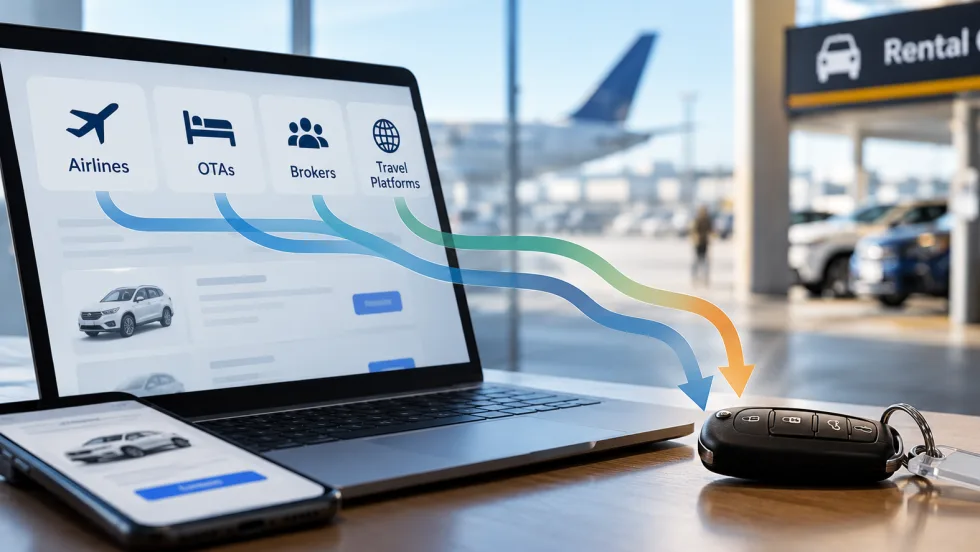
Direct, Broker or Hybrid? How Travel Retailers Source Rental Cars
As travel retailers weigh direct supplier relationships against third-party distribution, rental operators need to understand how those decisions affect their business.
Read More →
How Did This Independent Rental Operator Grow to 170 Vehicles in 4 Years?
With 170 vehicles across three Kentucky locations, Joel Price relies on an overseas team to handle reservations, payments, and after-hours customer service. It's one part of an unconventional approach to growing an independent rental operation.
Read More →
What Does It Take to Succeed in B2B Rentals?
The fundamentals may be familiar to daily car rental operators, but project-based truck rentals put different demands on the fleet and the business.
Read More →
NPR Builds on International Partnerships to Grow Rental Bookings
With Ana Laborde supporting broker development, NPR Auto Group is tailoring distribution strategies, rate packages, and partnerships to grow international reservations across its three brands.
Read More →
Advantage, Sixt Place Among Top Five in Annual Satisfaction Study
While Enterprise and National retain the top spots in JD Power’s 2026 rankings, the latest customer satisfaction results suggest renters can find competitive service beyond the biggest car rental names.
Read More →
The $100,000 Insurance Trap in Exotic Car Rentals
Exotic rental agencies often rely on customers’ personal auto policies to protect six-figure vehicles. But policy language can dramatically change the coverage for vehicles over $100,000 MSRP.
Read More →
The Booking Is Confirmed, But Is Your Customer Ready to Drive?
For international renters, a confirmed reservation doesn’t always mean they’re eligible to drive. Earlier checks can help operators catch documentation and payment issues before the customer reaches the counter.
Read More →
ICRS 2027 Opens Call for Papers
The International Car Rental Show seeks session proposals on the business, operational, and technology issues facing car rental operators. Submissions are due Jan. 15.
Read More →
Turo to Launch Vehicle Delivery Service
Turo Delivered will let travelers search for vehicles that hosts can deliver directly to hotels, homes, airports, train stations, and other locations.
Read More →
Palm Beach Airport Code Change Creates Car Rental Distribution Gap
A test of rental searches under the old PBI and new DJT airport codes returned largely different sets of brands and vehicles, highlighting a potential distribution problem for rental operators.
Read More →