




Columbus Voters to Decide Fate of Car Rental Tax
COLUMBUS, Ohio -- The Columbus City Council on Thursday, Sept. 5, voted 7-0 to place the city's new car rental tax on the Nov. 5 ballot. Council members scheduled the special meeting after the O...
COLUMBUS, Ohio -- The Columbus City Council on Thursday, Sept. 5, voted 7-0 to place the city's new car rental tax on the Nov. 5 ballot.
Council members scheduled the special meeting after the Ohio Supreme Court ruled Aug. 30 that the council must either repeal the tax or place it before a public vote.
The Columbus City Council passed the $4-a-day tax June 24, which spurred a referendum drive.
The Supreme Court ruled that a referendum petition, submitted by a coalition of rental car operators and the Ohio Taxpayers Assn. on July 24, was valid. As a result, the court ordered Columbus City Clerk Timothy McSweeney to submit the petition to the city council at its next meeting for action.
In a letter to referendum-backers dated July 25, McSweeney had refused to submit the petition to the city council. He argued that changes after the document's filing had made the petition invalid. On July 29, petition organizers requested that the city attorney's office direct McSweeney to submit the petition to council members. But City Attorney Janet Jackson denied the request.
Referendum organizers had originally filed the petition on July 23. However, they withdrew the document the next morning after learning that the city charter requires all referendum petitions be notarized. The petition was resubmitted on July 24, the deadline, after petition circulators signed the necessary affidavits.
But McSweeney said the petition was still invalid, citing a state law that prohibits altering, adding to, or correcting a petition after it has been filed.
On July 31, local Budget operator Kevin Miles petitioned the Ohio Supreme Court to rule on the matter. Miles requested that the justices halt collection of the tax and direct McSweeney to submit the referendum petition to the city council for action.
The Supreme Court ruled that the "legislative intent" of the state law that McSweeney cited was to ensure that voters knew what they were signing.
State law "did not prevent the referendum petitioners from attaching the missing circulator affidavits and resubmitting the petition," the court ruled. "The petition was not altered, corrected, or added to in a manner that modified the substance of what the petition contained when prospective voters signed it."
Further, the court decided that invalidating the referendum petition based on McSweeney's arguments "serves no public interest or public purpose."
More Rental Operations
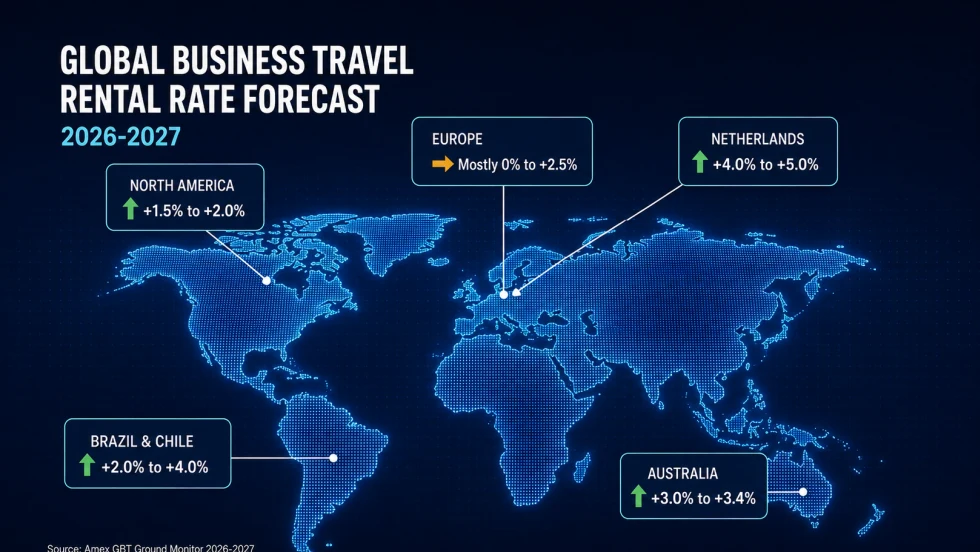
U.S. Business Travel Car Rental Rates Forecast to Rise Up to 2%
Improved fleet supply should limit pricing gains in 2026-27, while insurance, repair costs, and softer residual values continue to pressure rental operations, according to Amex GBT.
Read More →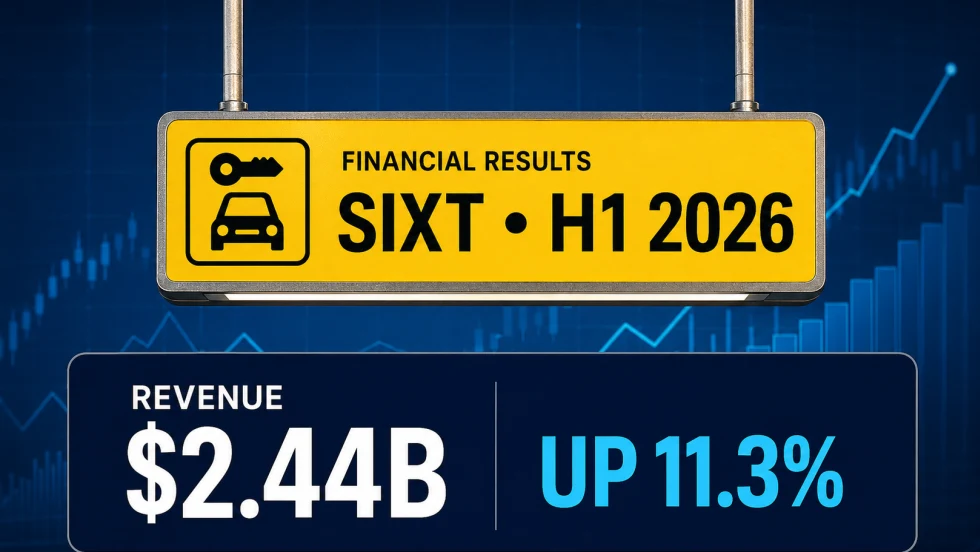
Sixt Revenue Tops $2.4 Billion in First Half of 2026
Sixt’s first-half revenue surpassed $2.4 billion for the first time as demand outpaced fleet growth, lifting utilization and earnings despite weaker consumer sentiment in North America.
Read More →
In Memoriam: Bobby Klyce, Avis Licensee Legend
The longtime Birmingham Avis operator and 2018 Auto Rental News Impact Award recipient was remembered as an advocate for independent licensees and the broader car rental industry.
Read More →
How to Build Custom Fleet Tools With AI and Vibe Coding [Webinar]
A new Automotive Fleet webinar explores how fleet managers are using AI and vibe coding to automate routine work and create simple operational tools without traditional programming skills.
Read More →
Car Rental Rates Forecast to Rise 3.6% in 2026 Before Easing in 2027
Car rental rates are projected to rise less than airfares and hotel rates in 2026, then become the only major travel category forecast to decline in 2027, according to projections from GBTA and ALTOUR.
Read More →
Avis Cuts Fleet as Summer Demand Trails Expectations
Avis Budget Group increased second-quarter earnings despite lower Americas revenue and softer-than-expected summer demand. The company also expanded Avis First and advanced its autonomous fleet operations with Waymo.
Read More →
Why Bookings Are Only the Start of the Rental Day
A reservation captures demand. The operating test is whether the business can keep the customer, vehicle, commercial terms, and next action aligned until the rental is closed.
Read More →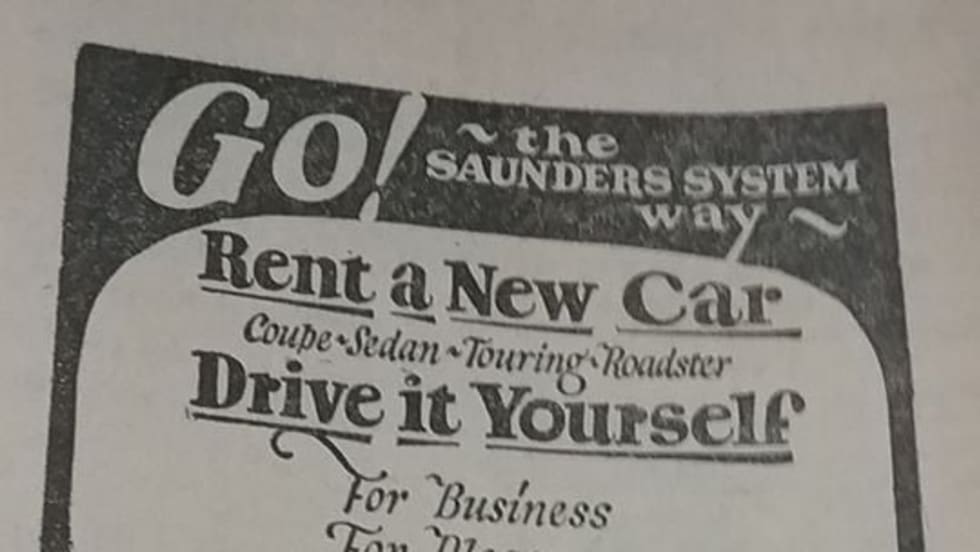
This Is the Oldest Car Rental Advertisement You’ll Ever See
This ad for Saunders Drive it Yourself, believed to be the first car rental company in the U.S., was found in an Omaha phone book from 1926.
Read More →
The Desk Upsell Is Costing Operators More Than it Earns
Counter upsells generate revenue, but they can also slow transactions, erode trust, and cost repeat business. Fully inclusive pricing may offer operators a better path to long-term value.
Read More →
U-Save Expands Indian Ocean Presence with New Master Franchise for Mauritius
The franchise has been acquired by Mauritian travel entrepreneur Umarfarooq Omarjee, an established figure in the island's tourism and mobility sector.
Read More →