


Domestic Automakers Support Bill to End Excise Taxes on Rental Cars
The American Automotive Policy Council, a representative of the Detroit Three, said it supports H.R. 4175, “The End Discriminatory State Taxes for Automobile Renters Act,” which would prohibit state and local governments from enacting future discriminatory taxes on rental vehicles.
The American Automotive Policy Council (AAPC) - on behalf of Chrysler Group LLC, Ford Motor Company and General Motors Company - announced its support for proposals in Congress to end an array of discriminatory taxes imposed by different states on consumers who need or chose to rent cars and trucks. A total of $7.5 billion of these accumulated car rental taxes have been imposed on American consumers.
"The main argument used to support these discriminatory taxes on rental cars is that tourists, who are incorrectly assumed to be affluent, are paying them. So it's supposedly some type of 'luxury tax'. This is factually not true," AAPC President Stephen Collins said.
"The reality is that a major percentage of cars are rented in the U.S. by low and medium income consumers. That fact is backed by figures showing that more than half of all cars rented are from neighborhood locations, not airports. This pattern of misdirected and clearly discriminatory taxation hurts consumer of all income levels, absolutely hurts American jobs and has no basis in fair taxation principles," he continued.
AAPC offered its support for H.R. 4175, "The End Discriminatory State Taxes for Automobile Renters Act," which would prohibit state and local governments from enacting future discriminatory taxes on rental vehicles. A hearing on this legislation was held by the House Judiciary Subcommittee last week.
More Legal & Legislative

Can Car Rental Operators Make a Difference in Washington?
Car rental operators have been called on to help fight taxes and regulations that affect their businesses. ACRA's Don LeFeve and Sharky Laguana explain what organized advocacy can accomplish, and why even small operators have a voice.

NYC Idling Tickets: How Rental Companies Can Face $2,000 Fines
A customer rents a diesel truck, idles it for three minutes while operating it, then returns it. Months later, the rental company gets a ticket that could cost up to $2,000. Edge Auto Rental's William Harris explains how New York City's idling enforcement creates headaches for rental operators.
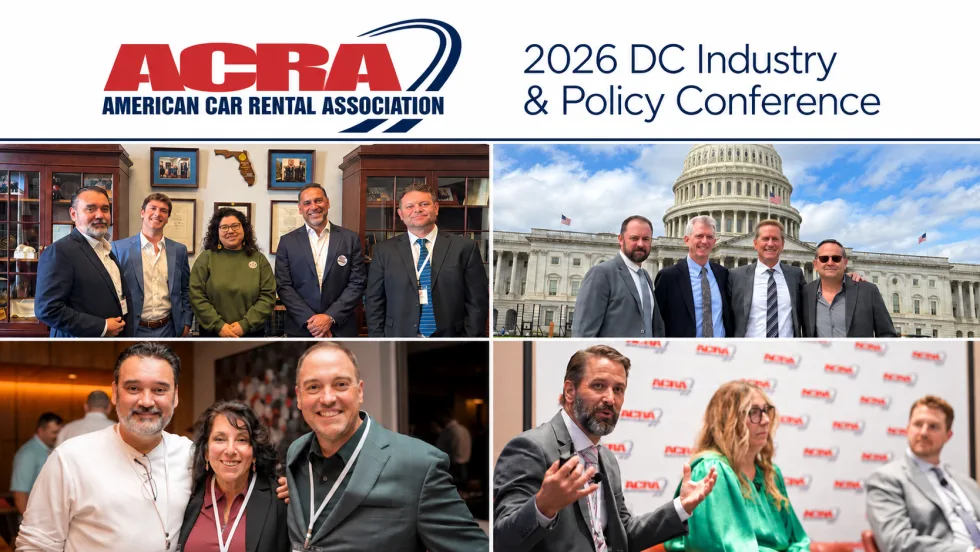
ACRA 2026 Annual DC Industry & Policy Conference in Photos
Car rental made its voice heard on Capitol Hill Sept. 22-25.

Hertz Settlement Expands Hand-Control Rental Vehicle Availability
A court-approved ADA settlement requires Hertz to add dedicated hand-control minivans, expand reservation access, and, when necessary, offer the least expensive vehicle capable of accepting hand controls.

Federal Appeals Court Upholds Colorado’s $3 Rental Car Fee
In a case brought by the American Car Rental Association on behalf of the rental industry, the 10th Circuit ruled that Colorado’s congestion impact fee falls on renters — not rental companies — and can remain in effect.

ACRA Carrying Fuller Industry Load As AI and EVs Lurk In Future
The leading car rental professional business group details an active legislative, regulatory, and macro-trends agenda affecting car rental operators.

Government Affairs Executive Wins Leading Rental Car Industry Award
Robert Muhs started in the car rental industry with Avis Budget Group two years before the first International Car Rental Show.

Using AI To Find Rental Car Damage
Angry car renters are storming social media, the mainstream media, and online ratings platforms to complain about charges they claim are either unfounded or excessive.
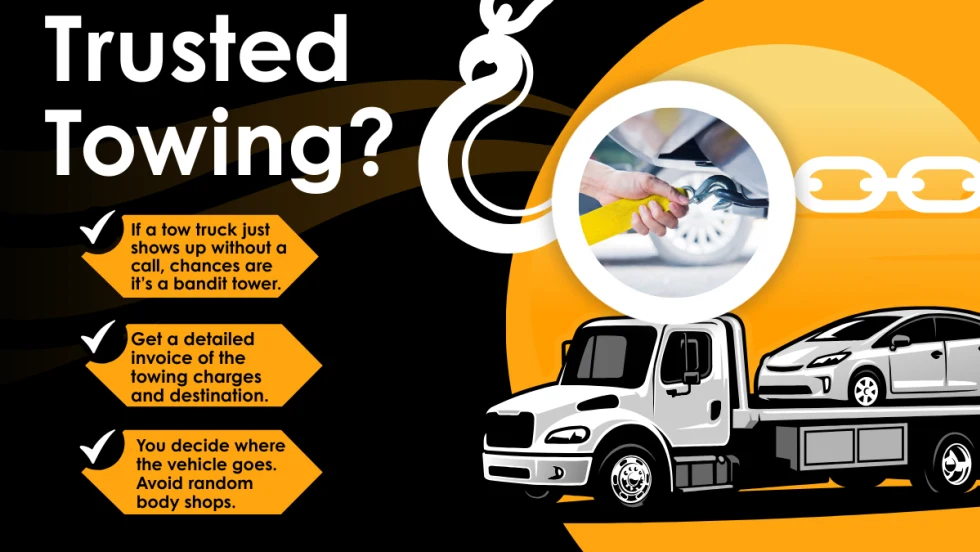
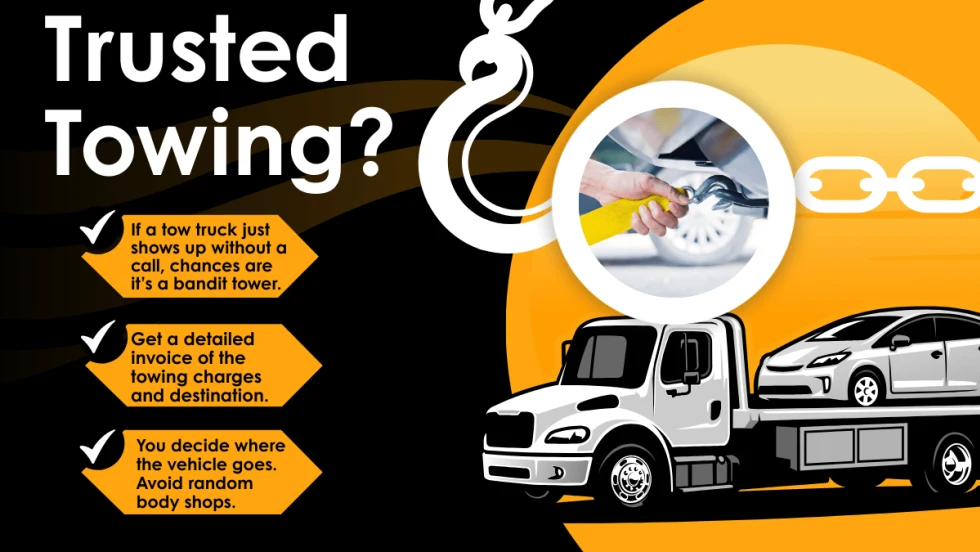
Bandit Towing A Tough Road For Car Rental Companies
Operators often must spend far too much time and resources trying to recoup rental cars towed away and held hostage to outrageously high fees.
Bandit Towing A Tough Road For Car Rental Companies
Operators often must spend far too much time and resources trying to recoup rental cars towed away and held hostage to outrageously high fees.