



Enterprise Holdings Announces Support of Ohio Peer-to-Peer Legislation
The legislation, signed into law last week, defines consumer requirements for peer-to-peer rentals, addressing insurance, pricing disclosures and safety recalls, as well as confirms that peer-to-peer providers are categorized as "vendors" for tax purposes.


Photo via Depositphotos.
Enterprise H
oldings announced yesterday its support for Ohio HB 166, signed into law by Ohio Governor Mike DeWine last week.
HB 166 defines consumer requirements for peer-to-peer rentals, addressing insurance, pricing disclosures and safety recalls, as well as confirms that peer-to-peer providers are categorized as "vendors" for tax purposes.
House Majority Leader Bill Seitz and Senate Finance Committee Chair Matt Dolan spearheaded the legislation with the Ohio Department of Taxation, the Ohio Insurance Institute (OII), Ohio’s major airports, the U.S. car rental industry, and peer-to-peer companies.
According to a press announcement from Enterprise Holdings, the legislation “… unambiguously takes the onus of collecting or remitting taxes off individuals renting their vehicles on peer-to-peer platforms – dispelling a myth often perpetuated by peer-to-peer companies about the double-taxation of vehicle owners.”
"My objective in working through this issue was two-fold," said Rep. Seitz in the press announcement. "To establish clear standards for insurance coverage in these three-party transactions, and to ensure all peer-to-peer platforms that receive the end customer's money are paying applicable state taxes as the facilitating vendor."
The announcement states that the new Ohio law also provides a step toward compliance with 1989 National Association of Attorneys General (NAAG) regulations requiring fair, honest and uniform consumer pricing and advertising standards in the car rental industry.
In addition, HB 166 authorizes Ohio airports to regulate peer-to-peer rental programs in a similar manner to other car rental operations. To that end, the Columbus Regional Airport Authority sent a letter in support of the legislation for protecting airports' "authority to individually determine reasonable standards, regulations, etc. for peer-to-peer car sharing companies…"
In total, at least 19 U.S. airports have issued cease-and-desist orders concerning peer-to-peer operations. Plus, legal action has been taken in conjunction with several airports across the country, including Tampa International Airport, Los Angeles International Airport, Massport (Logan International Airport) and San Francisco International Airport.
"This effort is all about parity and fairness, in Ohio and every other state. It just doesn't make sense for one section of this industry to benefit from loopholes and special carve-outs," said Ray Wagner, Enterprise Holdings' Senior Vice President of Government and Public Affairs, in the announcement. "Enterprise welcomes each and every competitor into the industry because, at the end of the day, we're all in the business of renting vehicles – whether it's for an hour, a day, a week or longer."
Wagner noted that states already have well-established regulations governing car rental taxes and fees – not to mention consumer protections around disclosures and sale of ancillary products: "Just like in Ohio, all peer-to-peer operators nationwide should be required to comply with longstanding and state-specific regulations that govern car rental transactions."
More Legal & Legislative
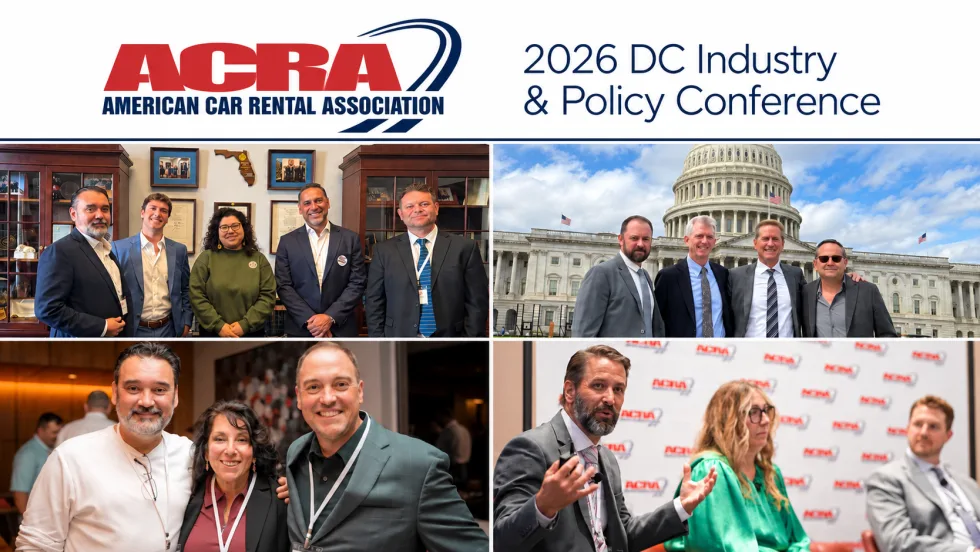
ACRA 2026 Annual DC Industry & Policy Conference in Photos
Car rental made its voice heard on Capitol Hill Sept. 22-25.
Read More →
Hertz Settlement Expands Hand-Control Rental Vehicle Availability
A court-approved ADA settlement requires Hertz to add dedicated hand-control minivans, expand reservation access, and, when necessary, offer the least expensive vehicle capable of accepting hand controls.
Read More →
Federal Appeals Court Upholds Colorado’s $3 Rental Car Fee
In a case brought by the American Car Rental Association on behalf of the rental industry, the 10th Circuit ruled that Colorado’s congestion impact fee falls on renters — not rental companies — and can remain in effect.
Read More →
ACRA Carrying Fuller Industry Load As AI and EVs Lurk In Future
The leading car rental professional business group details an active legislative, regulatory, and macro-trends agenda affecting car rental operators.
Read More →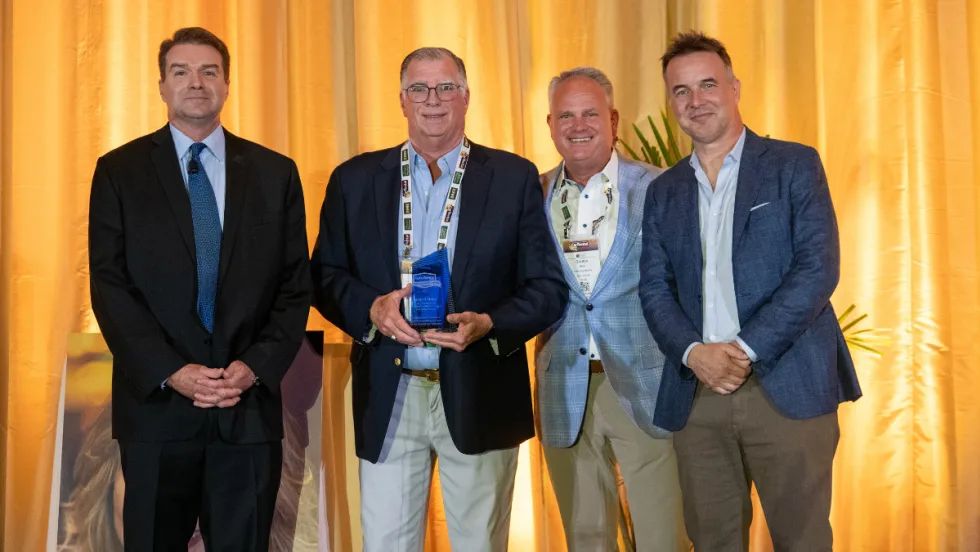
Government Affairs Executive Wins Leading Rental Car Industry Award
Robert Muhs started in the car rental industry with Avis Budget Group two years before the first International Car Rental Show.
Read More →
Using AI To Find Rental Car Damage
Angry car renters are storming social media, the mainstream media, and online ratings platforms to complain about charges they claim are either unfounded or excessive.
Read More →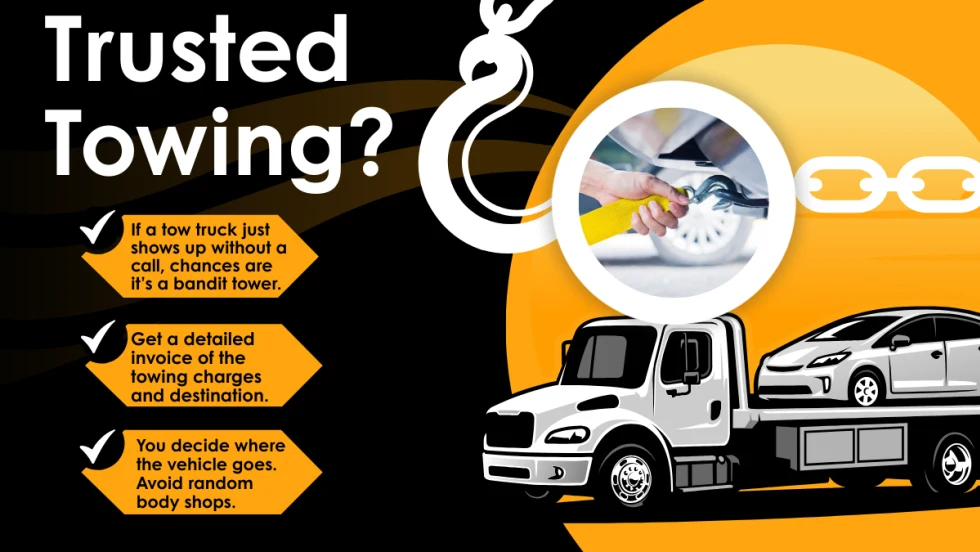
Bandit Towing A Tough Road For Car Rental Companies
Operators often must spend far too much time and resources trying to recoup rental cars towed away and held hostage to outrageously high fees.
Read More →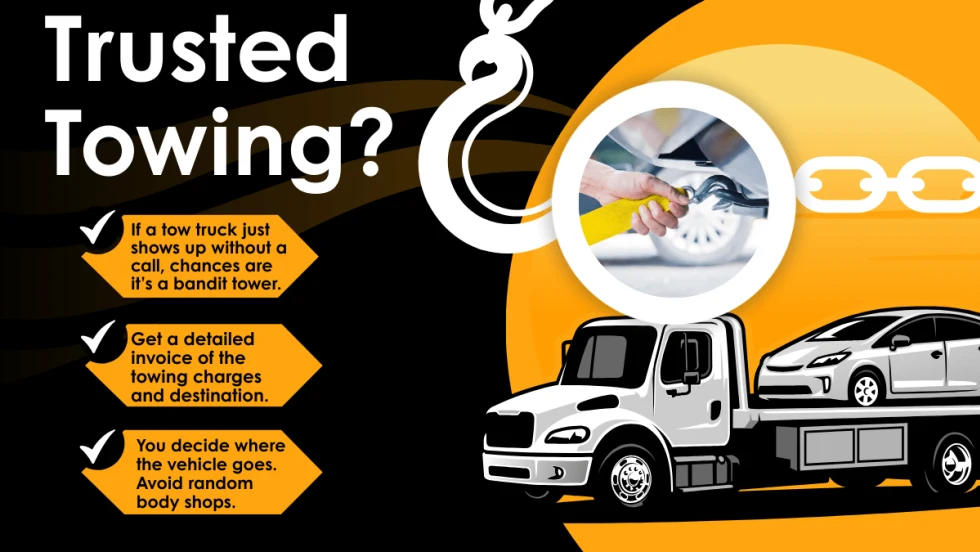
Bandit Towing A Tough Road For Car Rental Companies
Operators often must spend far too much time and resources trying to recoup rental cars towed away and held hostage to outrageously high fees.
Read More →
ACRA: Spurring Car Rental Industry Success
The American Car Rental Association scored more access and influence in 2025 as it grows its services for car rental operators.
Read More →
AVOA Partners with AALA and NLC
The American Vehicle Owners Alliance (AVOA) recently announced its partnership with the American Automotive Leasing Association (AALA) and the National League of Cities (NLC).
Read More →