




FTC Extends Red Flags Compliance Deadline to May 1, 2009
In an unexpected move, the Federal Trade Commission (FTC) announced that it will delay its planned enforcement deadline of the Red Flags Rules to May 1, 2009.
In an unexpected move, the Federal Trade Commission (FTC) announced that it will delay its planned enforcement deadline of the Red Flags Rules to May 1, 2009. The rule, which was designed to deputize lenders and creditors — including auto dealers — in the federal government's campaign against identity theft, went into effect Jan. 1 of this year. The original compliance deadline was Nov. 1.
The FTC explained the decision in an official Enforcement Policy Statement. "Given the confusion and uncertainty within major industries under the FTC's jurisdiction about the applicability of the rule, and the fact that there is no longer sufficient time for members of those industries to develop their programs and meet the Nov. 1 compliance date, the Commission believes that immediate enforcement of the rule on Nov. 1 would be neither equitable for the covered entities nor beneficial to the public. Delaying Commission enforcement of the rule as to the entities under its jurisdiction by six months ... will allow these entities to take the appropriate care and consideration in developing and implementing their programs. It also will give the Commission time to conduct additional education and outreach regarding the rule."
The delay impacts organizations that fall under the FTC's jurisdiction, such as auto dealers. However, organizations such as banks and financial institutions, which fall under the jurisdiction of other regulatory agencies, will still need to have their Red Flags program in place by Nov. 1.
Despite the delayed compliance deadline, dealers are still expected to have policies in place by Nov. 1 to address the two other rules passed in conjunction with the Red Flags Rules. One of the rules covers notices of address discrepancies when a credit bureau is pulled by a dealer. The other mandates that credit and debit card issuers have policies in place to address a change of address.
"There are two tiers of liability for dealers when it comes to the address discrepancy rule," said Michael Goodman, an attorney with Hudson Cook LLP. "First of all, for all users of consumer report info, your burden kicks in when you get a notice of address discrepancy from a credit bureau. You need to have procedures in place to try and resolve the discrepancy. That means going through the identity info you have for the consumer, going through your own records, or using a third-party source to resolve the discrepancy."
The address discrepancy rule also applies to dealers who provide information back to credit bureaus. "If you're a dealer that furnishes info and you get a notice of address discrepancy and you're able to resolve it and you end up doing business with the customer, then you need to report your verified result to the bureau," said Goodman. "This rule also reaches dealers such as buy-here-pay-here operations because they have a continuing relationship with a customer. So they are likely to furnish information to the credit bureau."
Like the Red Flags Rules, the two obligations and related penalties fall under the Fair Credit Reporting Act, which caries fines of up to $2,500 per violation.
"What I've heard is that people who are subject to the [Red Flags Rules] under the FTC's jurisdiction were basically scrambling leading up to Nov. 1 to get into compliance," said Goodman. "I think it's fair to say there were pretty widespread problems meeting that deadline."
More Rental Operations

Brazilian Executive MBA Targets Growing Domestic Rental Car Industry
Rental car companies face a unique combination of challenges that are rarely addressed in traditional programs.
Read More →
Green Motion Expands Into Japan With Master Franchise Agreement
Japan's tourism industry, business travel market, and demand for vehicle rental services are reasons the country represents an important market for the company.
Read More →
ACRA Carrying Fuller Industry Load As AI and EVs Lurk In Future
The leading car rental professional business group details an active legislative, regulatory, and macro-trends agenda affecting car rental operators.
Read More →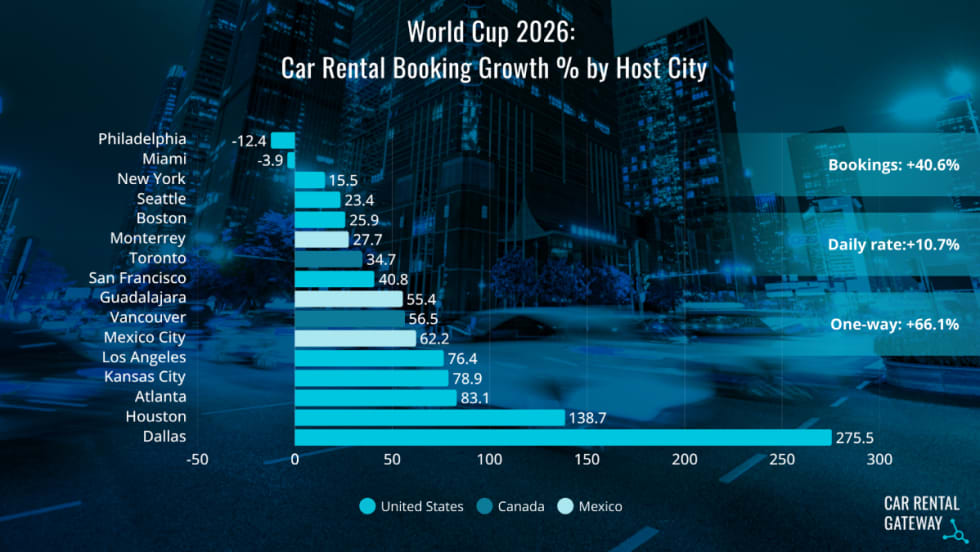
World Cup Travel Data Shows Longer Car Rentals and More One-Ways
A recent analysis of FIFA bookings found varied demand patterns that influenced rental car pricing.
Read More →
A Leveling Force: AI Morphs Into A Rental Car Profit-Seeker
Revenue managers can’t match the emerging AI tools gobbling lots of data that could counter the competitive race to the rate bottom.
Read More →
Stop Losing Money On Rental Tolls
Regardless of your rental fleet size and structure, fleet managers, executives, and owners can gain valuable insights into an often-overlooked area of fleet operations.
Read More →
Rethink The Future To Avert A Race To The Bottom
Rental car operators heard a sobering industry message and a stern challenge at the close of the International Car Rental Show.
Read More →
DriveItAway, Free2move Plan Shared Fleet Program for Independent Rental Fleet Operators
Vehicles would be placed with participating rental operations to support car renter demand and provide additional fleet capacity.
Read More →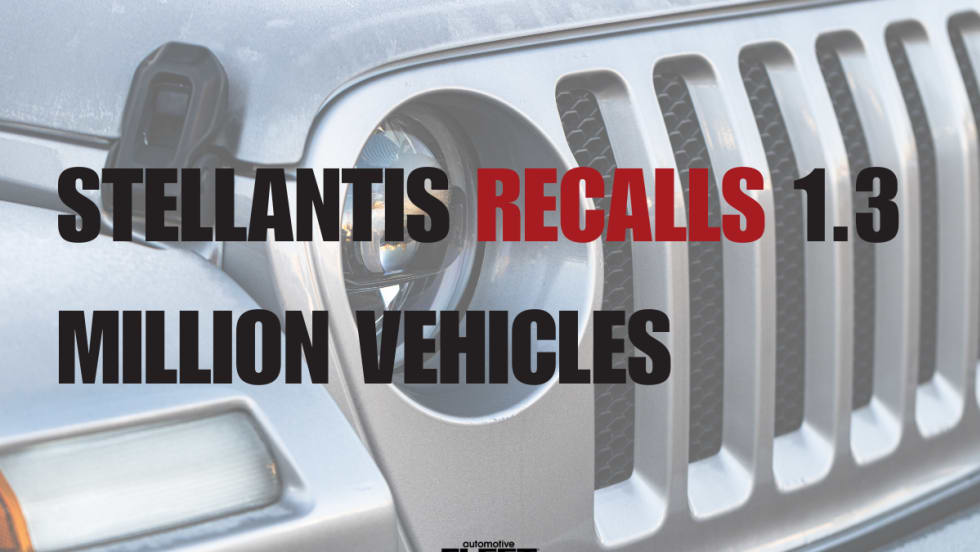
Stellantis Recalls 1.3 Million Jeep Vehicles Worldwide Over Fire Risk
Stellantis is recalling more than 1.3 million Jeep Wrangler and Gladiator models worldwide over a fire risk linked to power steering pump wiring.
Read More →
Green Motion And U-Save Open Rental Operations In Guatemala
The brands will open their first rental car outlets in the country at La Aurora International Airport in Guatemala City.
Read More →